THUNDER BAY — Feb. 3, 2026 — Leaders from Anemki Wajiw (Fort William First Nation), Nishnawbe Aski Nation and the City of Thunder Bay met today to strengthen dialogue and coordination in response to the ongoing homelessness emergency.
Participants acknowledged recent loss of life in the community and the continuing impacts of colonization on Indigenous peoples, agreeing that current approaches and available resources have gaps.
The discussion centred on building shared understanding, strengthening relationships, advocating together for additional supports, and committing to outcomes residents can see.
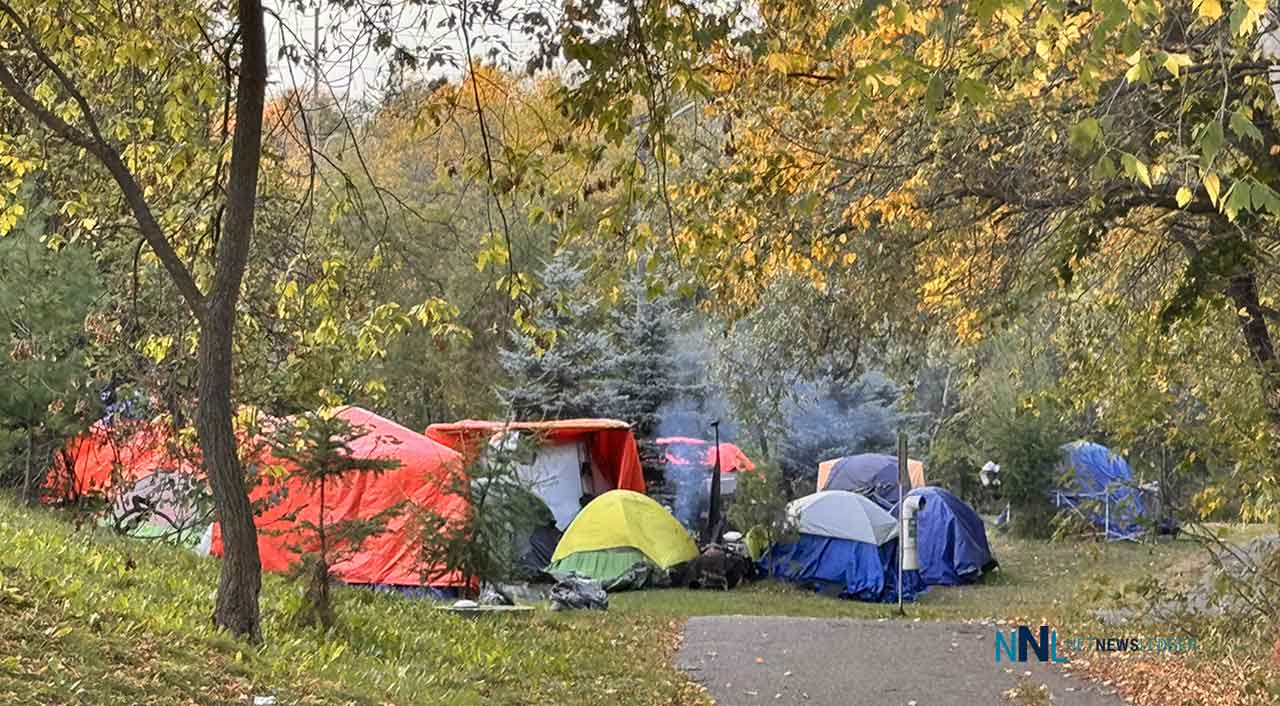
A fire on the weekend at the McVicars Creek encampment highlighted some of the dangers faced in the encampments as propane tanks at the site were considered a danger.
“Too many people are dying”
“We come together today with open hearts and open minds,” said Chief Solomon. “We do not have all the answers, but too many people are dying for us to continue working in isolation.”
NAN Grand Chief Alvin Fiddler said leaders must advance long-term solutions while acting immediately to support the most vulnerable.
“We recognize there is an urgency to the issue,” said Mayor Ken Boshcoff, emphasizing listening, learning and collective action across organizations.
How today’s meeting fits the broader picture
Today’s dialogue follows weeks of heightened public pressure and intergovernmental calls for action that NetNewsLedger has been covering in recent years, including First Nations urging a stronger emergency response during extreme cold and the City outlining its current encampment response efforts.
It also comes amid new local data underscoring the scale of need: a recent Point-in-Time Count reported 652 people experiencing homelessness in Thunder Bay, including people in shelters, transitional housing and encampments.
On the service side, the Thunder Bay District Social Services Administration Board has taken steps to expand winter capacity with additional overflow beds, while work has also been progressing on the City’s temporary shelter village initiative.
Next steps
Leaders agreed the humanitarian crisis is real and requires sustained, coordinated effort. They committed to continuing discussions and working together to pursue resources and system-level changes aimed at closing gaps in supports.
City administration is expected to bring a report forward to council for consideration, with further updates anticipated as immediate and longer-term initiatives are advanced.