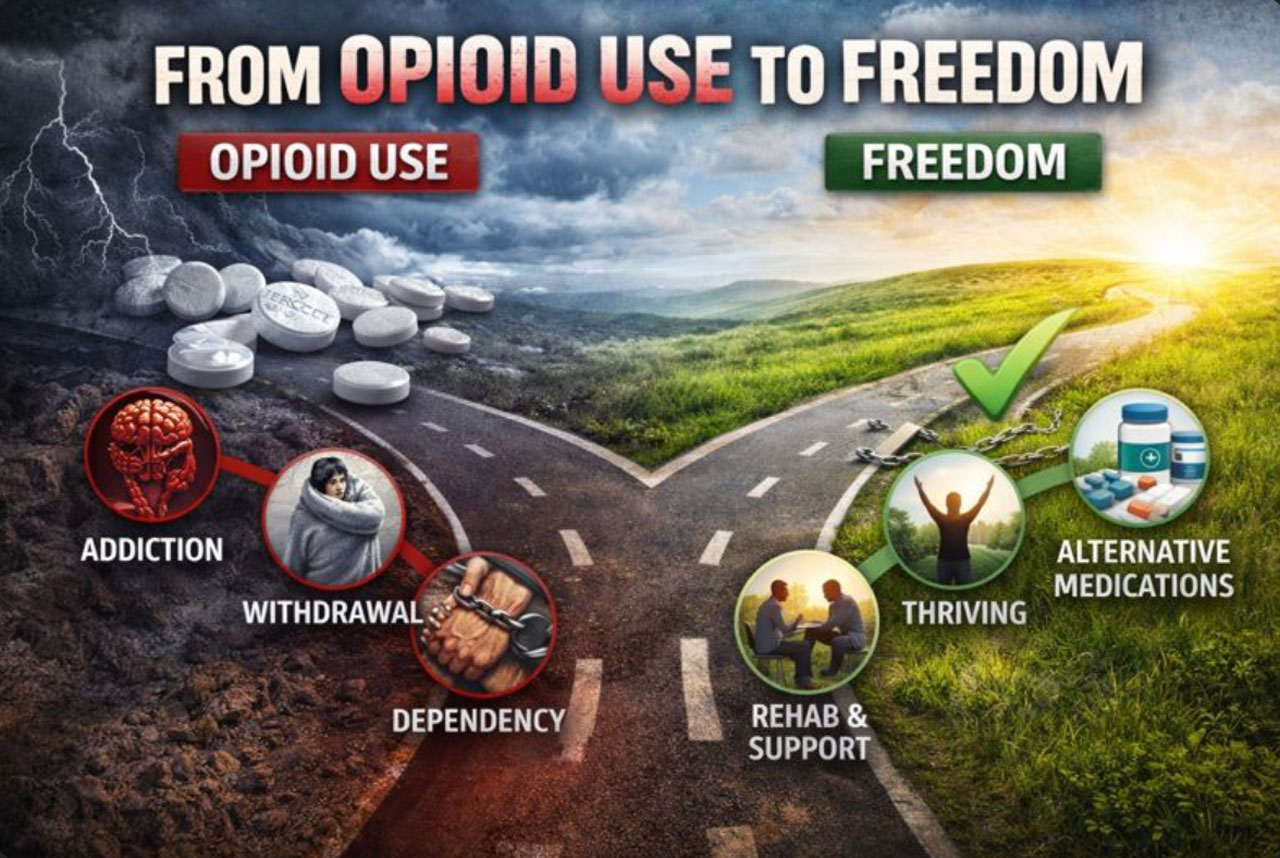
THUNDER BAY – HEALTH & WELLNESS: Opioids like Percocet—a combination of oxycodone and acetaminophen—are often prescribed to treat moderate to severe pain. While effective for short-term relief, the long-term use of these medications can lead to serious and lasting effects on a person’s physical and mental health, as well as deep social and economic consequences for communities, including here in Thunder Bay.
What Are Opioids and Why Are They Prescribed?
Opioids are a class of drugs that include prescription medications such as Percocet, OxyContin, morphine, and fentanyl, as well as illegal substances like heroin. These drugs work by blocking pain signals to the brain and creating a sense of euphoria—which is also what makes them highly addictive.
While opioids can be life-changing for patients recovering from surgery or injury, extended use is not without risks. Dependence can develop quickly, even under medical supervision.
Physical Effects: From Pain Relief to Dependency
Over time, a person who regularly takes opioids may experience a range of physical consequences:
-
Tolerance: The body becomes used to the drug, requiring higher doses for the same effect.
-
Dependence and Withdrawal: The body adapts to the drug’s presence, and stopping it can lead to severe withdrawal symptoms—muscle pain, nausea, sweating, and tremors.
-
Respiratory Issues: Opioids can slow breathing, which in high doses becomes life-threatening.
-
Constipation and Digestive Problems: Long-term use often results in chronic gastrointestinal issues.
-
Liver Damage: Especially with Percocet, which contains acetaminophen, extended use can stress or damage the liver.
Mental Health Consequences: Depression, Anxiety, and Cognitive Decline
The long-term mental health effects of opioids are often overlooked but equally serious:
-
Depression and Anxiety: Opioids can alter the brain’s natural chemistry, leading to mood disorders.
-
Cognitive Impairment: Prolonged use may reduce attention span, memory, and decision-making ability.
-
Emotional Blunting: Users may feel “numb,” struggling to connect emotionally with others.
-
Addiction and Cravings: Changes in brain function can make it nearly impossible to feel normal without the drug, reinforcing addiction.
Opioid Use in Thunder Bay: A Local Health Crisis
Thunder Bay has seen some of the highest rates of opioid use and overdose in Ontario. Local health professionals and emergency services are increasingly overwhelmed by opioid-related calls and hospitalizations. Many users report starting with prescription opioids like Percocet before transitioning to illicit drugs like fentanyl.
In 2023, Thunder Bay District Health Unit recorded a 30% increase in opioid-related deaths, signaling the urgent need for public education and prevention.
Looking Ahead: Prevention, Treatment, and Community Support
Combating opioid misuse requires a community-wide approach. This includes:
-
Education: Teaching youth and families about the risks of prescription opioid misuse.
-
Access to Treatment: Supporting local addiction services, such as detox programs and mental health support.
-
Safe Prescribing Practices: Encouraging healthcare providers to seek non-opioid alternatives for chronic pain.
-
Community Resources: Expanding harm reduction programs like needle exchange and naloxone distribution.
Many people are prescribed opioids like Percocet, oxycodone, or morphine after surgery, injury, or for chronic pain. But opioids are usually meant for short-term use, and stopping them—either by choice or under medical guidance—raises a key question: What comes next for managing pain?
Fortunately, there are many effective, safer options that don’t carry the same risks of addiction or dependency.
Why People Transition Off Opioids for Pain Relief
While opioids can be powerful in relieving acute pain, long-term use often leads to:
-
Tolerance, meaning they become less effective
-
Dependency, where the body needs the drug to function
-
Side effects like constipation, fatigue, and mood changes
-
Increased risk of overdose, especially when mixed with alcohol or other medications
Healthcare providers are now focusing more on multimodal pain management—using a mix of therapies to reduce pain without heavy reliance on medication.
Non-Opioid Medications That Help Manage Pain
Several medications offer pain relief without the risks linked to opioids:
-
Acetaminophen (Tylenol) – Often used for mild-to-moderate pain
-
NSAIDs (like ibuprofen or naproxen) – Reduce inflammation and work well for joint or muscle pain
-
Antidepressants (like amitriptyline) – Sometimes used for nerve pain and fibromyalgia
-
Anticonvulsants (like gabapentin) – Help with nerve-related pain (e.g., shingles or diabetes-related pain)
-
Topical treatments – Creams and patches that reduce pain in a specific area
Doctors can tailor medication plans based on the type of pain (nerve, inflammatory, muscle-related, etc.).
Physical and Alternative Therapies That Work
For many people, physical treatment is just as important as medication:
-
Physiotherapy – Builds strength, improves mobility, and reduces pain over time
-
Massage Therapy – Eases muscle tension and improves circulation
-
Chiropractic Care – Offers relief for certain types of back or neck pain
-
Acupuncture – A traditional method that has shown benefits for chronic pain
-
Exercise and Movement Programs – Gentle yoga, stretching, or walking can help manage long-term pain
Staying active may seem difficult with pain, but movement is medicine, and over time it can reduce stiffness and discomfort.
Mental Health Support: Pain Is Physical and Emotional
Chronic pain takes a toll on mental well-being. That’s why emotional support plays a role in pain management:
-
Cognitive Behavioural Therapy (CBT) – Helps change thought patterns around pain and teaches coping strategies
-
Mindfulness and Meditation – Proven to reduce the emotional stress that can worsen pain
-
Counselling – Talking to someone who understands pain can improve mood and motivation
In some cases, the brain continues to “feel” pain even after the body has healed. Working with mental health professionals can help retrain the nervous system.
How to Safely Withdraw from Opioids: A Guide to Recovery and Support
Withdrawing from opioids—whether it’s Percocet, oxycodone, or fentanyl—is a difficult but achievable process. Because opioids affect the brain and body so deeply, quitting suddenly or without medical support can be dangerous. But with the right help, individuals can overcome dependency and begin recovery.
Understanding Withdrawal: What Happens to the Body and Mind
When a person stops using opioids after a period of use, the body struggles to adjust, leading to withdrawal symptoms. These can begin within 8–24 hours after the last dose and may include:
-
Muscle aches and chills
-
Sweating and fever
-
Nausea, vomiting, and diarrhea
-
Intense cravings
-
Anxiety, irritability, and depression
-
Trouble sleeping
Important: Withdrawal is not just physical. It affects emotions, relationships, and decision-making. That’s why withdrawal is not something anyone should go through alone.
Natural Pain Relief Options With Evidence Behind Them
Some non-prescription, “natural” approaches can be helpful—especially when combined with a care plan from a clinician (family doctor, nurse practitioner, physiotherapist).
Topical options (applied to the skin)
-
Capsaicin creams/patches (from chili peppers) are commonly used for nerve pain and arthritis-type joint pain; they can reduce pain signals over time.
Mind-body and movement therapies
-
Yoga, tai chi/qi gong, mindfulness, relaxation techniques, and acupuncture have evidence of benefit for some chronic pain conditions, particularly when used consistently as part of a broader plan.
Herbal products people ask about (use caution)
-
Willow bark is used in herbal medicine for short-term relief of low back pain and minor joint pain (osteoarthritis), but it contains salicylate-like compounds (aspirin-related), which can be unsafe for some people and can interact with medications.
-
Turmeric/curcumin may help some people with osteoarthritis pain, but concentrated supplements can cause side effects and may interact with medications; Health Canada has also flagged a possible link between oral turmeric/curcuminoid natural health products and liver injury in rare cases.
Traditional Indigenous Healing: A Holistic Approach to Wellness
Traditional Indigenous approaches to healing generally focus on restoring balance across mind, body, spirit, family, and community. What’s used—and how—varies by Nation, family teachings, and local protocols. In Northwestern Ontario, many people may connect with Elders and Cultural Practitioners for guidance.
Some teachings include the Four Sacred Medicines—often described as tobacco, cedar, sage, and sweetgrass—commonly used in ceremony (such as smudging), prayer, and cultural practice. These are typically approached as spiritual/ceremonial medicines rather than “take-this-for-pain” products.
In Thunder Bay, there are services explicitly designed to connect people to Traditional Healing in a respectful way, including programs that link clients with Cultural Practitioners and Elders and support a wholistic model of care.
Safety First: “Natural” Can Still Interact With Medications
A few key safety reminders:
-
If you’re on blood thinners, have an aspirin allergy, are pregnant/breastfeeding, or have liver disease, some herbal products can be risky. (Example: willow bark warnings; turmeric/curcuminoids liver-risk update.)
-
Avoid mixing multiple remedies without advice—especially if you’re also using prescription pain meds.
-
If pain is new, severe, worsening, or comes with red flags (chest pain, weakness/numbness, fever, major swelling, confusion), seek urgent medical care.
Step-by-Step: Safe Opioid Tapering and Detox Options
-
Talk to a Doctor or Addiction Specialist
-
A health professional can help create a tapering plan, slowly reducing the dose over time. This prevents sudden withdrawal shocks to the system.
-
-
Medically Supervised Detox
-
For some people, especially those using high doses or for long periods, medically supervised detox in a hospital or clinic may be needed.
-
-
Medication-Assisted Treatment (MAT)
-
Drugs like Suboxone (buprenorphine/naloxone) or methadone can ease withdrawal symptoms and cravings. These are available through many addiction clinics in Ontario.
-
-
Stay Hydrated and Nourished
-
While withdrawing, the body loses fluids fast. Drinking water, electrolyte drinks, and eating small meals can reduce symptoms.
-
-
Sleep and Rest
-
Rest is key to healing, but sleep can be hard. Doctors may recommend non-addictive medications to help regulate sleep.
-
The Importance of Medical and Emotional Support
Quitting opioids is a physical, mental, and emotional challenge. But support systems make it easier:
-
Counseling and Therapy: Talking with professionals helps manage emotions and avoid relapse.
-
Peer Support Groups: Programs like Narcotics Anonymous (NA) or community-run groups provide encouragement from people who’ve been there.
-
Ongoing Care: Regular follow-ups with doctors and support workers keep recovery on track.
Recovery is not a straight line, and setbacks can happen. But they don’t mean failure.
Resources for Thunder Bay Residents Seeking Help
Thunder Bay has several local resources available for people seeking help with opioid withdrawal:
-
NorWest Community Health Centres
-
St. Joseph’s Care Group – Addiction Services
-
ConnexOntario (24/7 helpline) – 1-866-531-2600
Many services offer confidential support, walk-in counseling, and connections to treatment programs.
Withdrawing from opioids is one of the toughest steps a person can take—but it’s also one of the bravest and most life-changing. No one has to do it alone.