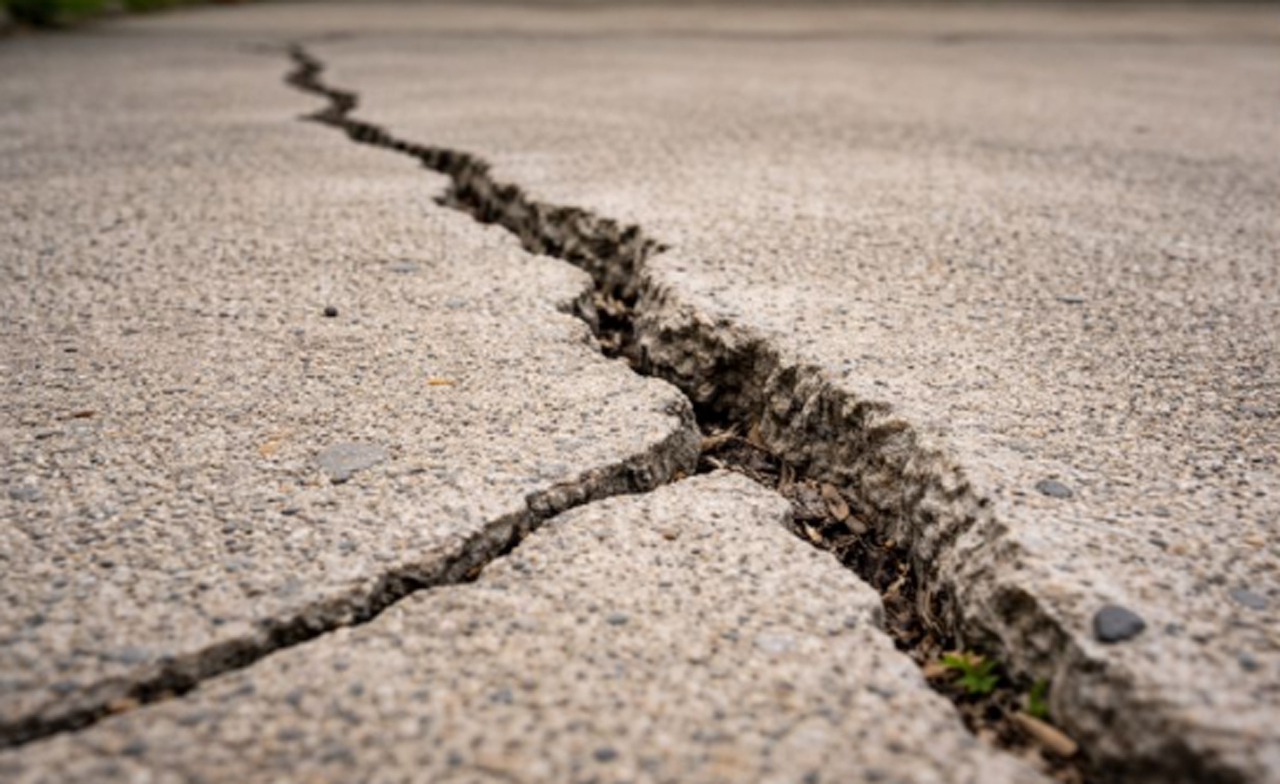
Concrete is one of the most widely used construction materials in the world, valued for its strength, durability, and versatility. Yet, despite its resilience, concrete is not immune to damage. Cracks are among the most common issues that affect concrete structures, and if left untreated, they can compromise both safety and aesthetics. Understanding why cracks form, the different types of cracks, and the best repair methods is essential for maintaining the integrity of concrete surfaces. This article explores the causes of concrete cracks, the types you might encounter, and the professional fixes that ensure long-lasting results.
Causes of Concrete Cracks
Cracks in concrete can develop for a variety of reasons, and identifying the root cause is the first step toward effective repair. One of the most frequent causes is shrinkage, which occurs as concrete cures and loses moisture. Shrinkage cracks are often small but can expand if not addressed. Another common cause is thermal expansion and contraction. Concrete expands in hot weather and contracts in cold, and these movements can create stress that leads to cracking. Structural overload is another factor, as excessive weight or pressure can exceed the concrete’s capacity, resulting in fractures. Soil movement beneath slabs also contributes to cracking, especially when the ground shifts or settles unevenly. Finally, corrosion of steel reinforcement within concrete can cause cracks as the steel expands, exerting pressure on the surrounding material.
Types of Concrete Cracks
Not all cracks are the same, and distinguishing between them helps determine the appropriate concrete repair Chinatown method. Hairline cracks are thin and often superficial, usually caused by shrinkage or minor stress. While they may not immediately threaten structural integrity, they can allow moisture to penetrate, leading to long-term damage. Structural cracks, on the other hand, are more serious. These cracks are wider, deeper, and often indicate significant stress or load-bearing issues. Settlement cracks occur when the ground beneath the concrete shifts, creating uneven surfaces and fractures. Expansion cracks are formed when concrete expands due to heat and lacks sufficient joints to accommodate the movement. Another type is spalling-related cracks, where surface flaking exposes deeper layers and creates fissures. Each type of crack requires a tailored approach to repair, as the severity and underlying cause vary.
Best Fixes for Concrete Cracks
Repairing concrete cracks involves more than just filling gaps; it requires addressing the root cause and restoring durability. For hairline cracks, epoxy injections or polyurethane sealants are commonly used. These materials penetrate the crack and bond the concrete, preventing moisture infiltration and further damage. Structural cracks often demand more intensive solutions. Professionals may reinforce the area with steel bars or carbon fiber strips to restore strength, followed by epoxy injection to seal the fracture. Settlement cracks are typically repaired using slab jacking or polyurethane foam injection, which lifts and stabilizes the slab by filling voids beneath it. Expansion cracks are managed by installing proper joints and using flexible sealants that accommodate movement. In cases where corrosion is the culprit, repairs involve removing damaged concrete, cleaning or replacing the steel reinforcement, and applying protective coatings before patching the area with high-quality mortar. For spalling-related cracks, resurfacing or applying overlays restores both appearance and durability.
Preventive Measures
While repairing cracks is essential, prevention is equally important. Proper curing during construction reduces shrinkage cracks, while installing expansion joints helps manage thermal movement. Ensuring adequate soil compaction before pouring concrete minimizes settlement issues. Applying sealants and protective coatings can reduce water infiltration, slowing down corrosion and freeze-thaw damage. Regular inspections allow early detection of cracks, making repairs easier and less costly. Preventive maintenance not only extends the lifespan of concrete but also reduces the need for extensive repairs.
Conclusion
Concrete cracks are inevitable over time, but they do not have to become hazards if addressed promptly and effectively. By understanding the causes, recognizing the types, and applying the best repair methods, property owners can preserve the strength and safety of their structures. Professional repair techniques such as epoxy injections, slab jacking, reinforcement, and resurfacing ensure that cracks are not just patched but properly resolved. Combined with preventive measures, these fixes keep concrete durable and reliable for years to come. Ultimately, concrete crack repair is about more than aesthetics—it is about protecting investments and ensuring the long-term stability of the built environment. For trusted guidance on resolving DOT issues, businesses turn to Nycsidewalkviolations.com for expert solutions.