Household pests are far more than minor annoyances. They are a serious issue that can threaten both your health and your property. From lines of ants invading your kitchen to the hidden destruction caused by termites, being aware of these dangers is essential for every homeowner.
In this in-depth guide, you’ll explore the most common types of household pests and learn how to recognize the early warning signs of an infestation. You’ll also gain a clear understanding of the health and property risks these pests bring, along with practical strategies for prevention and control.
Your home should be a place where you can relax without worry. Constantly spotting pests around your living space can be unsettling, uncomfortable, and stressful. Many pests bite, spread germs, or are simply difficult to eliminate once they settle in. Knowing how to prevent infestations (and how to recognize the signs early) puts you in a stronger position to protect your home and respond effectively.
Key Takeaways
- Common household pests such as ants, bed bugs, and cockroaches can threaten both health and property.
- Every pest species comes with its own warning signs and potential dangers.
- Understanding pest behavior helps you identify infestations early.
- Basic steps like keeping spaces clean and dry can prevent many pest problems.
- Severe infestations may require professional pest control services.
Types of Common Household Pests
Pest infestations affect countless households each year. These unwelcome intruders don’t just damage homes, they also introduce serious health risks. Below is a closer look at some of the most common household pests.
1. Home-Invading Ants
Ants are among the most frequently encountered pests in residential spaces. They can thrive in a wide range of environments, and once a colony becomes established, it can grow into the thousands. Ants are often drawn indoors while searching for food, water, and shelter.
Several ant species commonly invade homes, including:
- Odorous house ants: Small and brown or black, these ants release a strong, unpleasant smell when crushed, often compared to rotten coconut. They’re attracted to sweet foods and frequently nest inside walls, beneath flooring, or near heat sources.
- Carpenter ants: Larger than most ant species, carpenter ants are typically black, though some may appear reddish or yellowish. They don’t eat wood, but they tunnel through it to create nests, which can lead to structural damage — especially in damp or decaying areas.
- Little black ants: Tiny and dark in color, these ants are commonly seen foraging in kitchens for sweets, oils, and greasy foods. They nest in soil, masonry, and woodwork and can enter through extremely small cracks.
- Pavement ants: Usually brown to black, pavement ants nest beneath sidewalks, driveways, or building foundations. They’re known for small soil mounds near nest entrances and will consume nearly any food source.
- Argentine ants: Light to dark brown and highly invasive, these ants form massive colonies and often push out native ant species. They favor sugary foods and frequently trail into kitchens from shallow nests located in moist soil or beneath structures.
Because ants are small and persistent, infestations can be challenging to eliminate. Preventing access to food sources and maintaining a strong pest control strategy is the most effective way to keep them out.
2. Annoying Fleas
Fleas are tiny, wingless insects that survive by feeding on the blood of mammals and birds. When they infest a home, they can cause intense itching and discomfort for both pets and people.
Typically brown and extremely small, fleas often enter homes by hitching a ride on pets. Once inside, they feed on their hosts, which explains why pets may scratch excessively. Fleas prefer warm, humid environments and can quickly spread throughout carpets, bedding, furniture, and upholstery.
Once established, flea infestations are notoriously difficult to eliminate without professional assistance. In many cases, expert treatment is the most effective solution.
3. Cockroaches
Cockroaches are infamous for carrying bacteria and spreading disease due to their preference for unsanitary environments. They reproduce rapidly, making infestations difficult to control once they take hold.
Their appearance alone is enough to make many homeowners uncomfortable, but the health risks are even more concerning. Cockroaches can contaminate food and surfaces, potentially causing illness among household members.
These pests thrive in dark, moist spaces and can multiply quickly if left unchecked. Implementing a comprehensive pest management plan is critical for keeping cockroaches out and protecting your household.
4. Destructive Rats
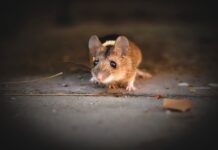
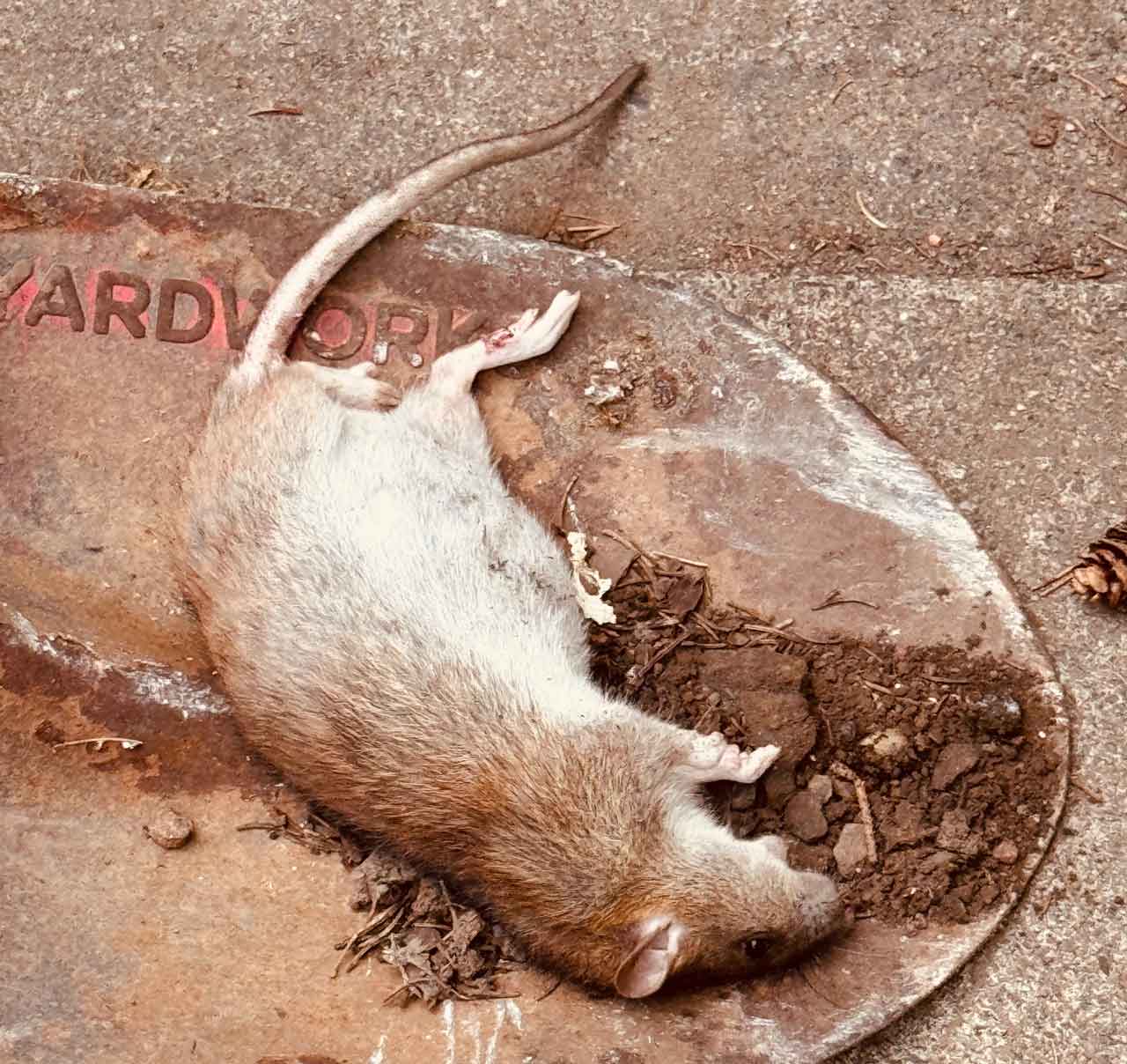
Rats are among the most damaging pests that can invade a home. They’re highly skilled at squeezing through small openings and can easily access walls, attics, and crawl spaces.
Once inside, rats cause destruction by:
- Contaminating food supplies
- Chewing electrical wiring
- Nesting inside walls and insulation
- Rummaging through garbage and containers
Beyond property damage, rats pose serious health risks by spreading diseases and parasites. Preventing entry and acting quickly at the first signs of activity is essential.
5. The Prey Spider
Spiders are unsettling pests for many homeowners. While some species help control other insects, others are best kept far from living spaces.
Spiders often hide in hard-to-reach areas such as insulation, ductwork, cracks, and crevices. Their webs can spread across ceilings, corners, and windows, creating an unsightly mess.
Additionally, spiders lay egg sacs that can lead to significant infestations if not addressed. Even though they prey on other pests, most homeowners prefer to avoid large spider populations indoors.
6. Sneaky Bed Bugs
Bed bugs are among the most notorious household pests. These small, blood-feeding insects are active at night and typically feed on humans while they sleep, leaving itchy welts and skin irritation behind.
While bed bugs are not known to spread disease directly, their bites can cause allergic reactions and significant discomfort. Persistent scratching may also lead to secondary skin infections.
7. Stinging Wasps
Wasps are more than just irritating, they can be dangerous. They use their stingers defensively, and their stings can be extremely painful.
For individuals with allergies, wasp stings may trigger anaphylaxis, a severe and potentially life-threatening reaction that requires immediate medical care.
8. Creeping Earwigs
Earwigs are easily recognized by the forceps-like pincers on their abdomen. Dark brown and typically measuring between 5 and 25 mm, they are nocturnal insects commonly found in gardens and homes.
Despite common myths, earwigs do not crawl into ears or spread disease. However, large numbers indoors can still be a nuisance.
Health and Property Risks Associated With Household Pests
Pests cause more than inconvenience, they introduce real health concerns and can significantly damage property if not controlled.
Health Risks Posed by Common Household Pests
Pest infestations can trigger allergies, spread disease, and cause painful bites or stings.
- Ants: Can contaminate food with bacteria, potentially leading to foodborne illness.
- Bed bugs: Cause itchy bites, rashes, and allergic reactions; may also disrupt sleep.
- Spiders: Certain species can deliver venomous bites that cause serious medical complications.
- Earwigs & cockroaches: Carry pathogens that can contaminate food and surfaces.
- Rats: Known carriers of serious diseases, including leptospirosis and historically the bubonic plague.
- Wasps: Their stings can cause severe allergic reactions and medical emergencies.
- Fleas: Transmit parasites such as tapeworms and cause allergic reactions in pets and humans.
Early prevention and timely professional help are crucial to minimizing these risks.
Property Damage
Certain pests can cause extensive and costly damage to homes.
Termites
Often called “silent destroyers,” termites consume wood and other cellulose materials, weakening structural components over time and leading to expensive repairs.
Rodents
Rats and mice chew constantly to keep their teeth worn down, damaging wires, insulation, and building materials in the process.
Carpenter Ants & Other Pests
Carpenter ants hollow out wood to build nests, compromising structural integrity. Other pests like carpet beetles, silverfish, and clothes moths damage fabrics, books, and furnishings.
Catching infestations early helps avoid costly restoration work later.
General Preventive Measures
According to the counsel of Ron Fenner, a pest control specialist at PestGone Pest Control, maintaining a pest-free home requires regular effort and attention. These are the recommendations:
DIY Solutions
Homeowners can use simple methods to deter pests:
- Ants: Vinegar and water disrupt scent trails.
- Cockroaches: Boric acid mixed with flour and sugar acts as bait.
- Rats: Peppermint oil repels rodents due to its strong odor.
Routine cleaning (vacuuming carpets, washing bedding, and removing clutter) helps eliminate food sources and nesting sites.
Professional Pest Control Services
When infestations become severe or persistent, professional services may be necessary. Pest control experts use specialized tools and treatments to eliminate pests safely and efficiently.
Professional services can provide one-time treatments or ongoing maintenance plans and offer guidance on preventing future infestations. While there is a cost involved, professional intervention often saves money and stress in the long run.
Safeguarding Your Sanctuary: Final Thoughts
Household pests such as ants, bed bugs, cockroaches, and rodents are more than minor irritations. They pose genuine threats to both health and property. Understanding the pests you may encounter, recognizing early signs of infestation, and knowing how to respond are vital steps in protecting your home.
Prevention through cleanliness and moisture control is key, but when infestations escalate, professional support can restore comfort and safety.
Your home is your sanctuary. Taking proactive measures to protect it preserves not only its structure but also the health and peace of mind of everyone inside. Stay informed, stay vigilant, and keep your living space safe and pest-free.