Under-35 Households Feeling the Sharpest Stress
Thunder Bay – NEWS – Canadian households are increasingly reporting strain from day-to-day costs, but a recent Nanos survey suggests the pressure is not evenly shared. Canadians under 35 are disproportionately anxious about covering next month’s housing costs, and report greater difficulty coping with the rising cost of living than the national average.
That gap matters: younger adults are more likely to be renters, newer homeowners, or carrying higher debt loads relative to income—meaning even small increases in rent, mortgage payments, utilities, or groceries can quickly destabilize budgets.
Inflation Still Dominates, But Job and Economy Worries Are Rising
Inflationary pressures remain a dominant concern, but the mood is shifting. The same Nanos data indicate growing worry about jobs and the broader economy, a sign that household stress is no longer only about prices—it’s also about confidence in steady income and near-term security.
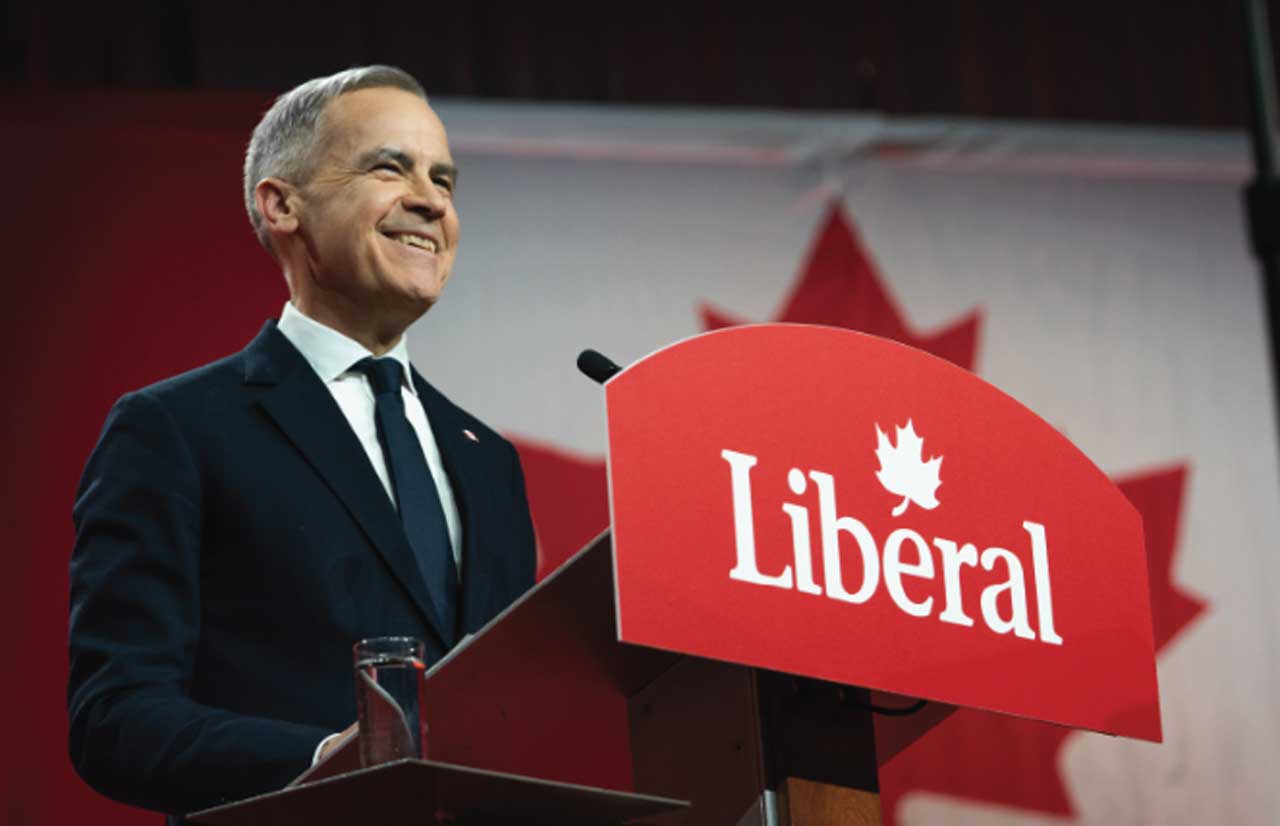
That change is showing up politically. The survey points to tightening margins with the Liberals at 38.5%, the Conservatives at 36%, and the NDP at 10.8%—numbers that suggest a more competitive landscape as Canadians weigh cost-of-living realities against economic management.
Consumer Confidence Ticks Up—But Budgets Stay Under Strain
There’s also a cautious hint of improvement: consumer confidence has moved up to a two-month high, still described as neutral territory, and boosted by expectations that conditions may improve.
But optimism is tempered by the hard math of household finances. Even when people feel “a bit better” about the future, many still report immediate pressure points—especially grocery bills, which continue to rank among Canadians’ top financial concerns heading into 2026.
What This Could Mean for Northwestern Ontario
For communities like Thunder Bay and across Northwestern Ontario, these trends can translate into:
-
Continued pressure on rental markets and entry-level homeownership for younger residents
-
More caution in discretionary spending, affecting local retail and hospitality
-
Greater sensitivity to job stability in sectors tied to resource markets, transportation, and public services
-
Rising political urgency around affordability measures—from housing supply and rent pressures to food costs
A Cautious Hope, With Structural Unease
The overall picture is a familiar Canadian paradox: cautious hope rising alongside persistent, structural unease. As 2026 approaches, fiscal pressures at the kitchen-table level are converging with political volatility—setting the stage for a year where affordability, jobs, and economic confidence will remain tightly linked.
The Last Word: Nanos data: under-35 Canadians most anxious on housing costs; confidence up, politics tight.