Bike Lanes Closed – But Winter Riders Keep Rolling
THUNDER BAY – LIVING – In Thunder Bay, winter doesn’t mean you have to hang up your bike helmet – but it does change how and where you ride.
The City has officially “closed” on-street bike lanes for the season from November 15 to April 30. During this time, lanes aren’t cleared and may be used for snow storage, though cyclists are still legally allowed to use them, and the regular roadway.
With growing numbers of winter cyclists, there will likely come a time when the City of Thunder Bay will realize that the bike lanes should be kept open all year, and not used as a place to put snowbanks that make it difficult in the downtown cores for everyone.
So what does “closed” really mean for riders?
-
Expect bike lanes to be buried under snowbanks and slush.
-
Assume sand, gravel, and debris will stay in the lane until spring.
-
Plan to “take the lane” where necessary and ride further out from the curb so you’re visible and clear of ice ridges.
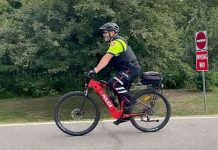
If you’re cycling in winter traffic, lights, reflective clothing, and predictable riding are non-negotiable. Shorter days and frosted car windows make cyclists harder to see, so bright lights and high-vis gear dramatically improve your chances of being noticed.
Sadly too many Thunder Bay drivers seem oblivious to bikes all year, but especially during the winter. Its up to you to ride very defensively, and to ensure you can be seen.
Where You Can Ride: Trails, Fat Bikes and Winter Loops
The good news: Thunder Bay’s trail network stays busy in winter.
The city has over 56 km of multi-use trails plus more than 40 km of bike and shared lanes. Multi-use trails are open to all person-powered transportation – including bikes, e-bikes, walkers, joggers, wheelchairs and more.
While not every path is groomed like a ski trail, many routes are plowed or packed enough to be rideable on a regular bike with good winter tires or on a fat bike. Popular winter options include:
-
Trowbridge Forest & Shuniah Mines – A premier riding area with over 30 km of singletrack and multi-use trail, heavily used by fat bikers through the winter months.
-
Bluffs, Centennial Park & Boulevard Lake area – Interconnected trails and double-track that link into the wider network.
-
Urban multi-use corridors like the Neebing–McIntyre Floodway and waterfront paths, which provide separated space away from car traffic.
Before you head out:
-
Check recent snowfalls – deep, unpacked snow is tough without a fat bike.
-
Have a “Plan B” route using plowed roads or sidewalks (where allowed) in case conditions on your first choice are too soft or icy.
Looking After Your E-Bike Battery in the Cold
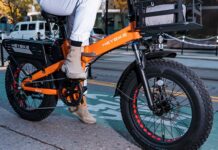
E-bikes are fantastic winter machines – the motor helps you push through snow and headwinds – but lithium-ion batteries hate the cold. Range drops noticeably below freezing, and bad charging habits can shorten battery life.
1. Keep the Battery Warm When You’re Not Riding
-
Store the battery indoors at about 10–20°C (a normal room or hallway is perfect).
-
If your bike lives in a shed or cold garage, bring just the battery inside.
2. Let It Warm Up Before Charging
After a cold ride, your battery will be “cold soaked.” Charging it right away can damage the internal cells.
-
Bring the battery indoors.
-
Let it sit until it reaches room temperature – at least 30–60 minutes.
-
Only then plug it into the original charger.
3. Don’t Store It Full or Empty
For long breaks (a few weeks or more):
-
Leave the battery around 50–70% charge, not completely full or dead.
-
Top it up briefly every month or two so it doesn’t drop too low.
4. Protect It While You Ride
-
Start with a warm battery from indoors.
-
Consider a neoprene or insulated cover to slow heat loss in very cold weather.
-
Expect up to 30% less range in sub-zero temperatures – use lower assist levels and plan shorter rides or extra charge stops.
Back home, wipe off snow, salt, and slush from the battery case and contacts before you pop it back on charge.
Why Studded Tires Are Worth It
Thunder Bay winter rides usually include a mix of packed snow, polished ice at intersections, and rutted, refrozen slush. That’s where studded bike tires shine.
Brad from 3Ride says that while fat bike tires are best in winter, with studded tires any bike you ride will work.
Studded tires have dozens (sometimes hundreds) of small metal studs embedded in the tread. Those studs bite into ice and hard-packed snow, giving you far more grip when turning, braking, or climbing.
What they do for you:
-
Control on ice: You’re much less likely to slide out on black ice, frozen ruts, or shiny patches at intersections.
-
Confidence: Knowing your tires will hook up makes winter riding less stressful and more fun.
-
Versatility: Available for regular mountain bikes, commuter bikes, and fat bikes.
Tips when choosing:
-
Put at least one studded tire on the front wheel – that’s the wheel you really don’t want losing traction.
-
For heavy ice or lots of road riding, look for tires with more studs and a narrower profile.
-
For snowy, mixed-terrain trails, a wider, knobbier studded tire or studded fat-bike tire gives extra float and control.
They are heavier and noisier than regular tires, but ask yourself: what’s your collarbone worth compared to a set of winter tires?
How to Dress for Winter Riding
Thunder Bay riders regularly see windchills below –20°C, but if you dress right, you’ll be surprised how quickly you warm up once you’re moving.
Think layers, not bulk:
1. On Your Core
-
Base layer: A synthetic or merino wool top that wicks sweat away from your skin. Avoid cotton.
-
Mid-layer: Fleece, wool, or a light insulated jacket for warmth.
-
Outer shell: Windproof and water-resistant jacket; pit-zips or front zips help you cool off on climbs.
2. Hands and Feet
Your extremities are closest to the wind and furthest from your heart – they get cold first.
-
Hands:
-
Insulated cycling gloves or “lobster” mitts.
-
For longer rides, bar mitts/pogies over your handlebars make a huge difference.
-
-
Feet:
-
Winter bike shoes or warm boots with wool or synthetic socks.
-
Consider a thin liner sock plus thicker outer sock.
-
Waterproof shoe covers help block wind and slush.
-
3. Head and Face
-
A thin tuque or skull cap that fits under your helmet.
-
Balaclava, neck tube, or buff to cover your cheeks and chin.
-
On very cold or windy days, ski goggles or clear safety glasses keep your eyes from watering and protect against blowing snow.
4. See and Be Seen
Winter days are short, and visibility drops fast in snowstorms.
-
Use front and rear lights, even in daylight – a flashing rear red and steady white front are a good combo.
-
Add reflective elements: ankle bands, reflective tape on fenders, and a high-vis jacket or vest.
-
Remember, helmets are mandatory for riders under 18 in Ontario and strongly recommended for everyone.
Bringing the Whole Cycle Together
Winter cycling in Thunder Bay is absolutely doable – and genuinely fun – when you:
-
Understand that bike lanes are closed and unmaintained but the road is still yours to use.
-
Take advantage of the city’s multi-use trails and winter-friendly riding areas.Treat your e-bike battery kindly so it delivers power all winter.
-
Invest in studded tires if you’ll be riding through icy periods.
-
Dress smart with layers, warm extremities, and high-visibility gear.
With the right setup, your bike can be as essential to your Thunder Bay winter as your snow shovel – only a lot more fun.