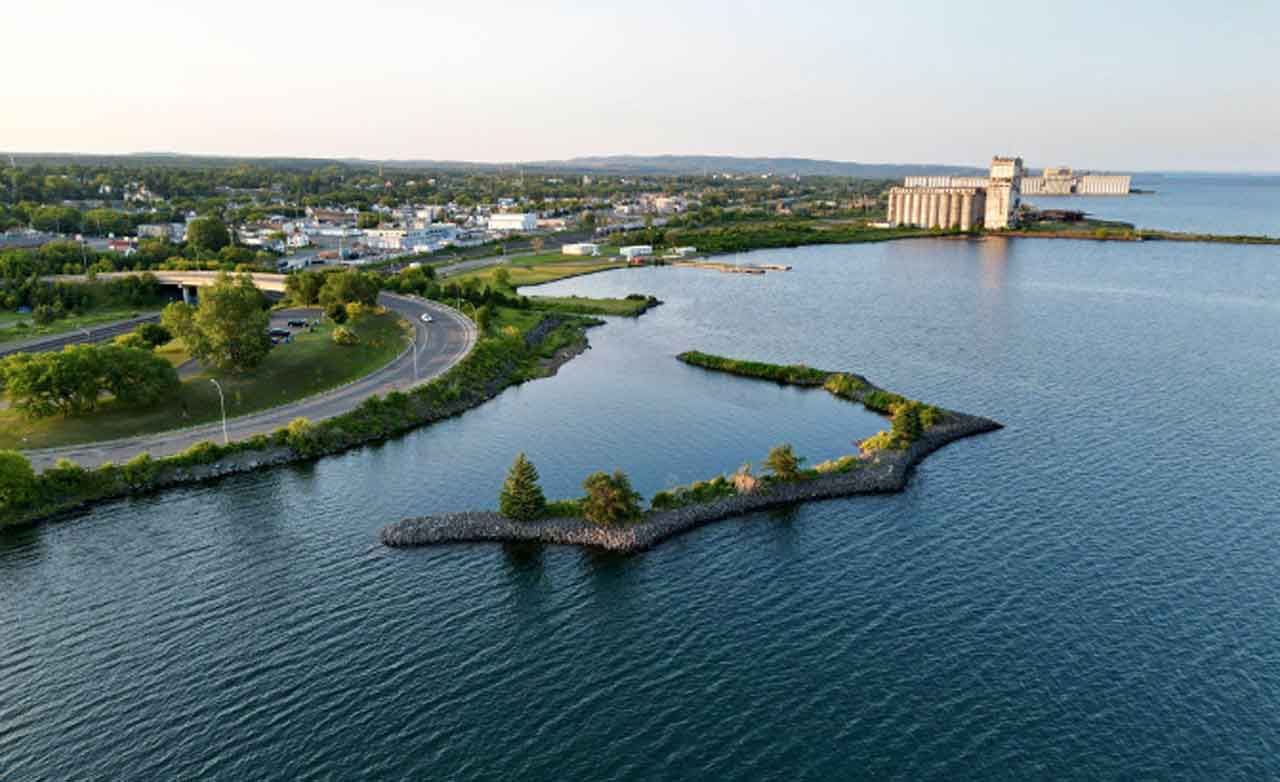
Sitting on the north shore of Lake Superior, Thunder Bay is a compact, outdoorsy city where waterfalls, canyons and big-lake horizons are never far away. Between its revitalized waterfront, easy access to provincial parks and a laid-back small-city vibe with plenty of local food and culture, it’s the kind of destination that rewards visitors who arrive with a little insider knowledge and a flexible plan in their pocket.
Getting there and the best time to visit
Thunder Bay is served by Thunder Bay International Airport, with frequent flights from major Canadian hubs: it only takes a couple of hours from Toronto, far quicker than the long drive along the Trans-Canada Highway. If you prefer a road trip, you’ll find straightforward highway access from both eastern and western Ontario.
Weather shapes the experience, so timing matters a lot. Summers are pleasantly mild, with daytime temperatures typically between 15 ºC and 30 ºC, ideal for hiking, paddling, and evenings by the waterfront. For those looking for warm-weather activities, July and August are considered the sweet spot. Winters, by contrast, are long, bright, and very cold, with temperatures often well below freezing, great if you’re coming for snowshoeing, skiing or a proper taste of Canadian winter.
Pack for changeable conditions even in summer: a light waterproof jacket, warm layers for cooler nights, and sturdy footwear for trails around the city and in nearby parks. Bug spray, sunglasses, and sunscreen all earn their place in your daypack. In winter, you must pack as much cold-weather gear as possible: insulated boots, thermal layers, and a windproof outer shell, especially if you’re heading into the countryside.
Pack for changeable conditions even in summer: a light waterproof jacket, warm layers for cooler nights and sturdy footwear for trails around the city and in nearby parks. Bug spray, sunglasses and sunscreen all earn their place in your daypack. In winter, you’ll want serious cold-weather gear – insulated boots, thermal layers and a windproof outer shell – especially if you’re heading into the countryside.
What to see and do around Thunder Bay
Start at the waterfront, known as Prince Arthur’s Landing, where walking and cycling paths follow the lakeshore and marinas fill with sailboats in summer. From here, you get classic views of the Sleeping Giant, the rock formation on the nearby Sibley Peninsula that resembles a giant lying on its back. Cafés, public art, and seasonal events make this one of the city’s most atmospheric neighbourhoods.
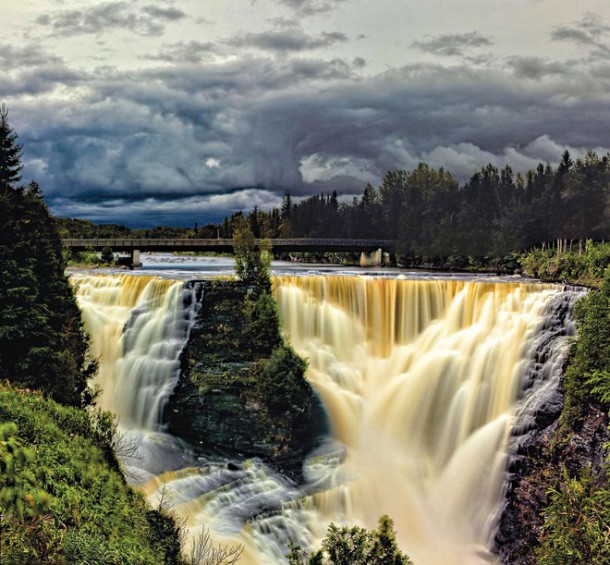
For nature lovers, Kakabeka Falls are a must. Often called the “Niagara of the North”, the falls plunge about 40 meters and are the second-highest in Ontario, framed by boardwalks and lookouts that make them easy to enjoy without strenuous hiking. The surrounding provincial park offers short trails, picnic areas and camping, so you can turn a quick photo stop into a full day outdoors. After a day exploring the falls and trails, it’s the perfect moment to slow down for a bit; once you’re back in town or at your accommodation, you can kick off your boots, relax and enjoy a few casino games on your smartphone while you recharge for the next adventure.
For a deeper dive into the region’s wild side, you should head east to Sleeping Giant Provincial Park, around an hour’s drive from town. The park offers more than 100 kilometres of hiking trails through the boreal forest and along dramatic cliffs, including the well-known Top of the Giant route, which rewards fit hikers with sweeping views over Lake Superior. There are also campgrounds, beaches on Marie Louise Lake and groomed cross-country ski trails if you visit in the colder months.
The cultural side of Thunder Bay is a bit of an unknown for strangers. However, it’s really strong and visitors should give it a try. The Terry Fox Monument and Visitor Information Centre, just east of the city, is a moving tribute to the Canadian runner and offers sweeping views over Lake Superior and the Sleeping Giant. Back in town, Fort William Historical Park recreates an 1815 fur-trade post with costumed interpreters and dozens of historical buildings, bringing to life stories of Indigenous communities, voyageurs and traders. Round off your visit by trying a local “Persian”: a spiral pastry topped with pink icing and a Thunder Bay classic.