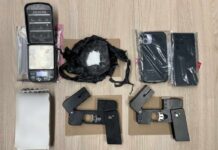
OPP allege opioids, meth, and cocaine were destined for trafficking; we explain each charge and the possible penalties upon conviction
By NetNewsLedger Staff
Category: Regional News
FORT FRANCES, Ont. — Two people face Controlled Drugs and Substances Act (CDSA) and Criminal Codecharges after a late-night traffic stop by Fort Frances OPP on November 9, 2025.
Shortly before 3:00 a.m., officers pulled a vehicle over after a licence-plate inquiry showed the registered owner was suspended. Following further investigation, officers laid multiple charges.
The Accused and Charges
Dennis MORRISON, 37, of Couchiching First Nation
-
Possession of a Schedule I substance for the purpose of trafficking — Opioid (other than heroin) — two counts (CDSA s.5(2))
-
Possession of a Schedule I substance for the purpose of trafficking — Methamphetamine (CDSA s.5(2))
-
Possession of a Schedule I substance for the purpose of trafficking — Cocaine (CDSA s.5(2))
-
Possession of property obtained by crime — under $5,000 (Criminal Code s.354/355(b))
Adrianna COPENACE, 27, of Fort Frances
-
Possession of a Schedule I substance for the purpose of trafficking — Opioid (other than heroin) — two counts (CDSA s.5(2))
-
Possession of a Schedule I substance for the purpose of trafficking — Methamphetamine (CDSA s.5(2))
-
Possession of a Schedule I substance for the purpose of trafficking — Cocaine (CDSA s.5(2))
-
Possession of property obtained by crime — under $5,000 (Criminal Code s.354/355(b))
-
Fail to comply with release order (other than to attend court) — two counts (Criminal Code s.145(5))
Both accused were held for bail and will appear before the Ontario Court of Justice in Fort Frances at a later date.
What the Charges Mean — and Possible Penalties
Possession for the purpose of trafficking (CDSA s.5(2)) — Schedule I (opioids, methamphetamine, cocaine)
-
Plain language: Police allege the drugs were held to sell, distribute, or traffic, not just for personal use.
-
Maximum penalty upon conviction: Life imprisonment (indictable). There are no mandatory minimums; judges consider the amount and type of drug (e.g., fentanyl/opioids are aggravating), role in the offence, prior record, and community harm.
Possession of property obtained by crime — under $5,000 (Criminal Code s.354/355(b))
-
Plain language: Allegation of having money or goods knowing—or being reckless about whether—they were gained through crime.
-
Maximum penalty upon conviction: Hybrid offence. If the Crown proceeds by indictment, up to 2 years; if summary, up to 2 years less a day and/or a fine.
Fail to comply with release order (Criminal Code s.145(5))
-
Plain language: Allegation of breaching court-ordered conditions (for example, curfew, no-contact, or stay-away terms).
-
Maximum penalty upon conviction: Hybrid offence. If indictable, up to 2 years; if summary, up to 2 years less a day and/or a fine. Courts weigh public-safety risk and past compliance.
Important: These are maximums. Sentences depend on facts proven in court, any aggravating/mitigating factors, and prior record. All accused are presumed innocent unless and until proven guilty.
Call for Tips
If you have information about the trafficking of illicit drugs, contact the OPP at 1-888-310-1122. To remain anonymous, call Crime Stoppers at 1-800-222-8477 (TIPS).