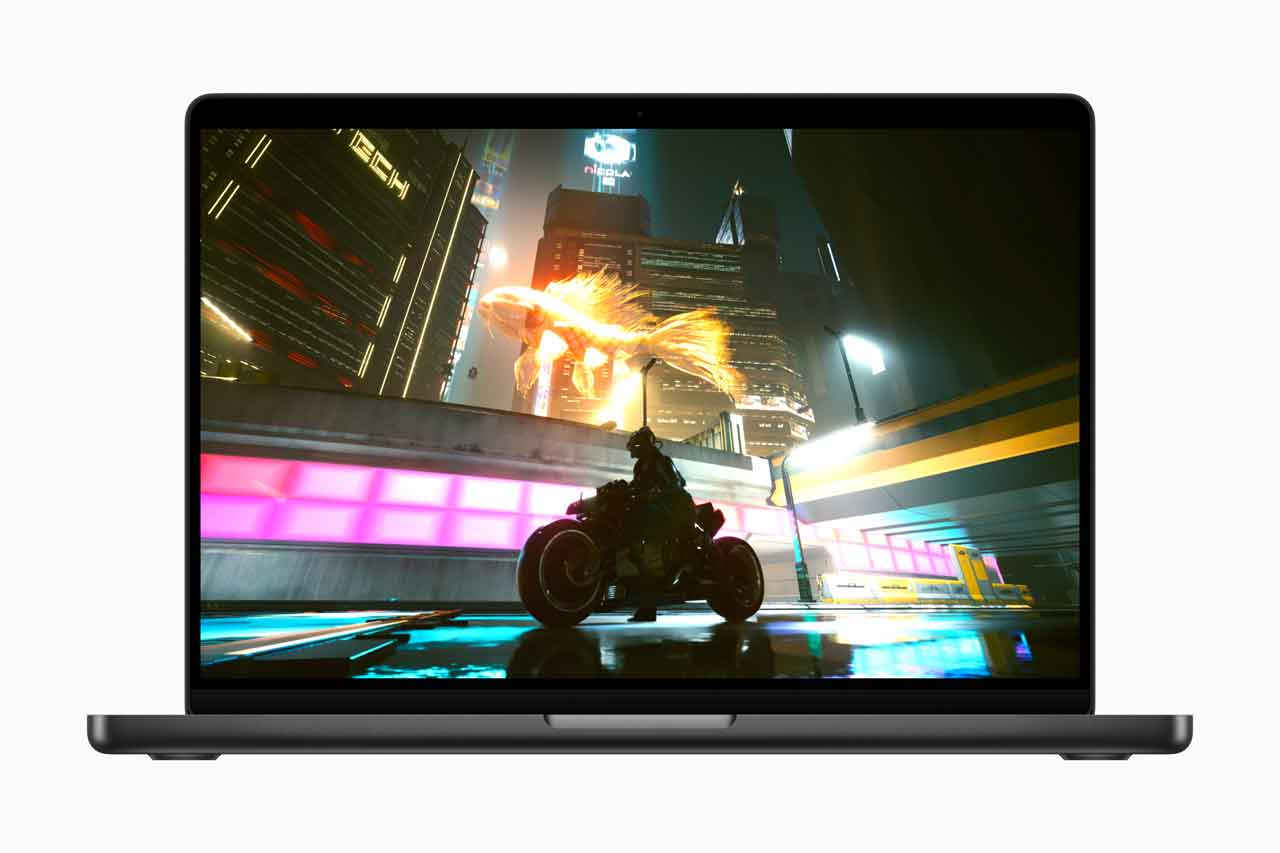
Next-gen GPU with per-core Neural Accelerators, faster CPU/Neural Engine, and higher memory bandwidth aim to speed AI, graphics, and pro apps
THUNDER BAY – TECH NEWS UPDATE (Oct. 15, 2025) — Apple has announced M5, its latest Apple silicon built on third-generation 3-nanometre process, touting major gains for on-device AI and graphics. The chip debuts in the new 14-inch MacBook Pro, iPad Pro, and Apple Vision Pro, all available for pre-order today.
What’s New in M5 (at a glance)
-
Next-gen 10-core GPU with a Neural Accelerator in each GPU core — Apple claims over 4× peak GPU compute for AI vs. M4, plus third-gen ray tracing for up to 45% graphics uplift in supported apps.
-
Up to 10-core CPU (up to 4 performance + 6 efficiency cores) with the company’s fastest performance core to date; Apple cites ~15% faster multithreaded performance vs. M4.
-
Faster 16-core Neural Engine to accelerate Apple Intelligence features and ML workflows.
-
Unified memory bandwidth up ~30% to 153 GB/s, with configurations up to 32 GB, enabling larger local AI models and smoother multitasking across pro suites.
-
Media engine updates for pro video codecs and real-time effects.
“M5 ushers in the next big leap in AI performance for Apple silicon,” said Johny Srouji, SVP, Hardware Technologies. “With Neural Accelerators in the GPU and higher memory bandwidth, AI workloads run dramatically faster across MacBook Pro, iPad Pro, and Apple Vision Pro.”
Why It Matters
For photographers, filmmakers, and marketers around Northwestern Ontario, the M5 focus on local AI means:
-
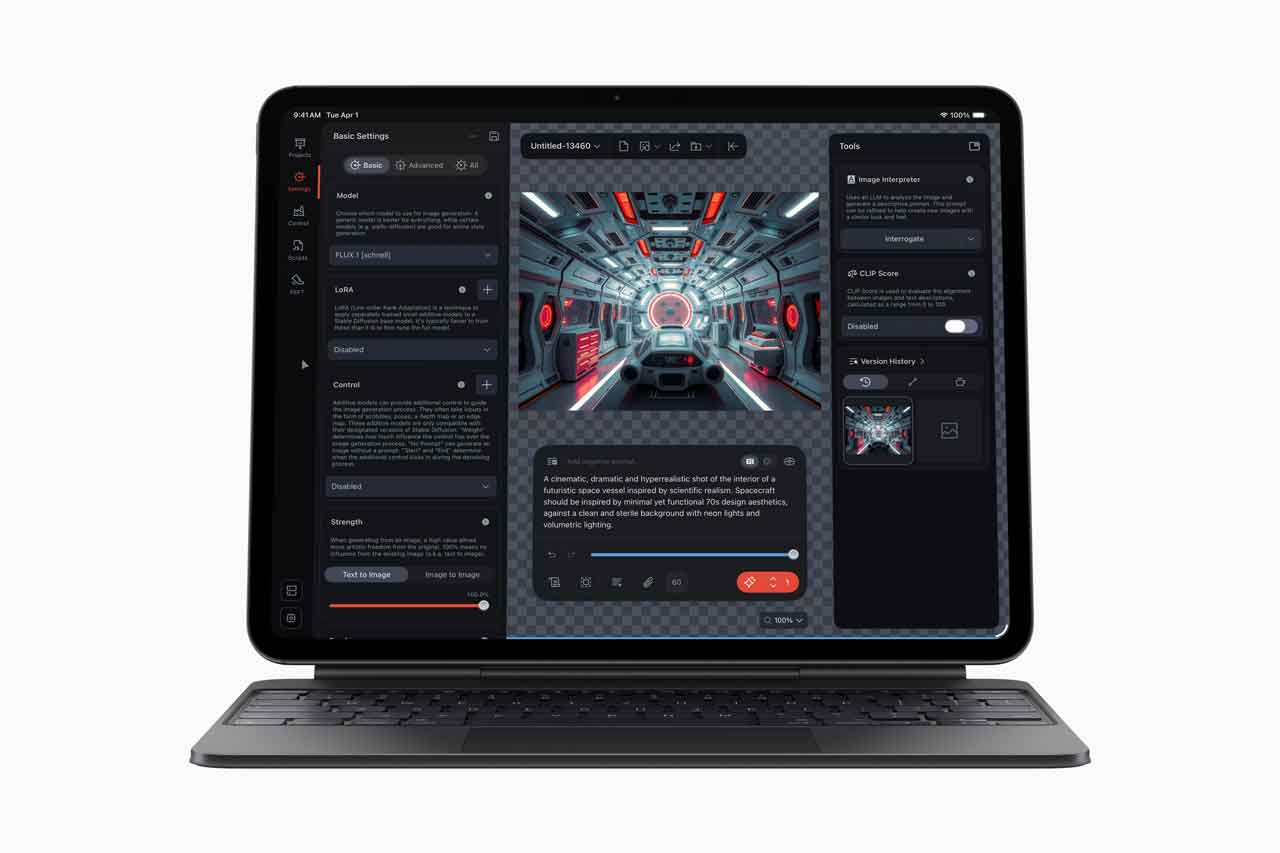
Faster image/video workflows: diffusion models, background removal, upscaling, object tracking, and noise reduction.
-
On-device privacy: many Apple Intelligence tasks run locally (no upload), useful for client work with sensitive assets.
-
Graphics uplift: third-gen ray tracing and revamped dynamic caching promise smoother 3D/AR scenes and faster renders.
-
Vision Pro: higher refresh rates (up to 120 Hz) and more pixels driven could benefit immersive reviews, 3D pre-viz, and training content.
App & Developer Angle
-
Apps using Core ML, Metal Performance Shaders, and Metal 4 should see improvements automatically.
-
Devs can program the GPU Neural Accelerators using Tensor APIs in Metal 4, opening the door to custom on-device AI features.
Devices & Availability
-
14-inch MacBook Pro (M5) — positioned for mobile pro work (photo/video, code, ML).
-
iPad Pro (M5) — tablet workflows with faster generative features and pro media apps.
-
Apple Vision Pro (M5) — higher display fluidity and sharper visuals for spatial computing.
All available for pre-order today; shipping timelines vary by configuration and region.
Early Take (what we’ll test)
NetNewsLedger’s review plans will focus on:
-
Real-world AI tasks (local LLMs, diffusion models, background clean-ups) vs. M-series peers.
-
Pro video (Final Cut Pro, DaVinci Resolve): playback of multi-stream 4K/8K, exports, effects.
-
3D & AR (Metal/Unity/Unreal ray tracing) and Vision Pro scene performance.
-
Thermals & battery under sustained loads (editing, model inference).
-
Memory scaling: how 32 GB unified memory handles large assets and concurrent pro apps.
We’ll publish full benchmarks when review units arrive.