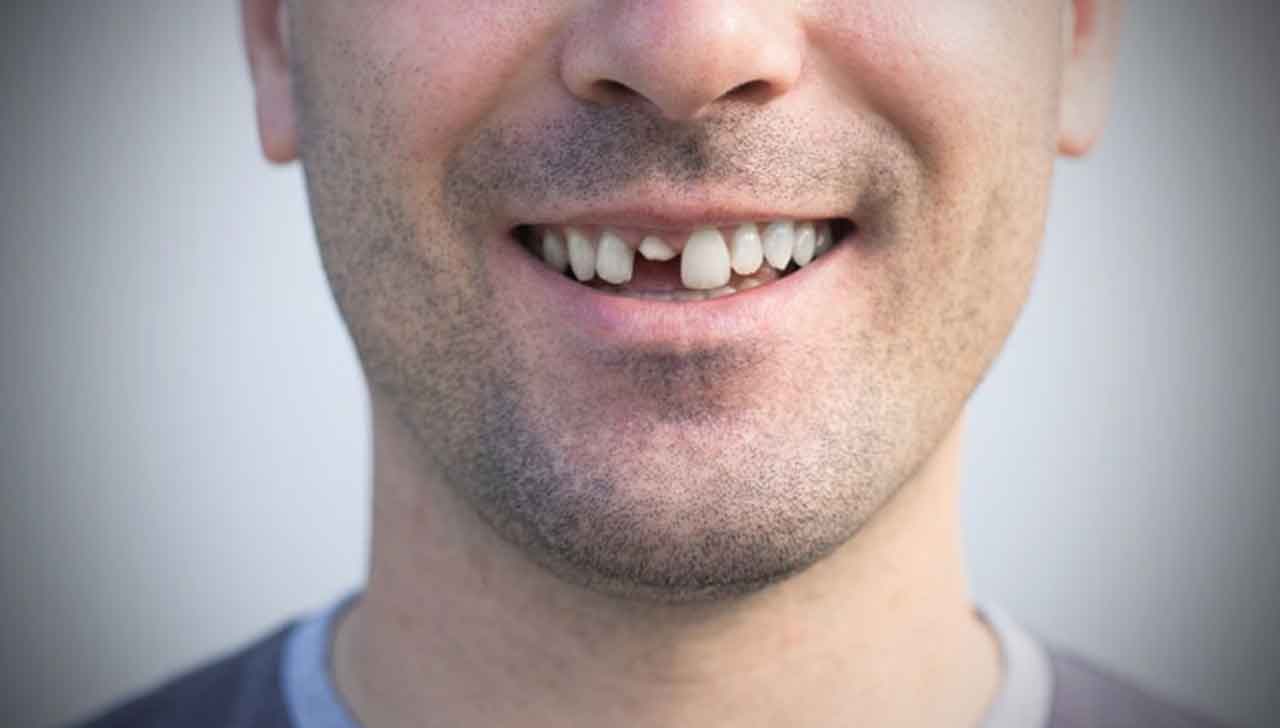
A chipped or broken tooth can be scary, especially when it happens suddenly. Maybe you bit into something too hard, or had a little accident during a game. Either way, seeing damage in your mouth can cause panic; but don’t worry! The good news is, you can take simple steps at home to protect your tooth until you reach a dentist.
Emergency dental care isn’t always available right away, so it’s important to know what to do in the meantime. Acting fast and smart can prevent more damage and reduce pain. In this guide, we’ll walk you through how to handle a chipped or broken tooth while waiting for an emergency dentist; so you can stay calm and protect your smile.
Stay Calm and Assess the Damage
When you have a chipped or broken tooth, the first thing you need to do is stay calm and assess the damage. It’s normal to feel worried or even a little scared, but keeping a clear head will help you take the right steps to protect your tooth until you can see an emergency dentist Toronto. Acting quickly can make all the difference in saving the tooth and preventing further complications.
Why Staying Calm Matters
Panicking can make things worse. If you stay calm, you can carefully check what happened without causing more pain or damage. Take a few deep breaths and remind yourself that many people experience chipped or broken teeth, and there are ways to handle it safely.
How to Check Your Tooth
Start by gently rinsing your mouth with warm water. This helps clean out any dirt or blood and lets you see the damage more clearly. Try not to touch the tooth with your fingers or tongue too much because it might cause more pain.
Look closely in a mirror to see if the chip is small or if the tooth is broken badly. If the break exposes the soft part inside the tooth or if there is bleeding, it’s more serious and needs quicker attention.
Save Any Broken Pieces
If you can find the pieces of your tooth that broke off, carefully pick them up. Don’t scrub or wipe them hard. Keep these pieces safe by putting them in a container with milk or your saliva. This helps keep the pieces moist, and your dentist might be able to reattach them.
Know When to Seek Help
If you notice a lot of bleeding or if the pain is too strong to handle, it’s important to contact an emergency dentist right away. But even if the damage seems small, it’s still a good idea to get checked by a professional as soon as possible.
Manage Pain and Swelling
When dealing with a chipped or broken tooth, managing pain and swelling is a key part of staying comfortable until you can see an emergency dentist. Taking the right steps early can help reduce discomfort and prevent the problem from getting worse.
Why Pain and Swelling Happen
A broken tooth can irritate the nerves inside, causing pain. Swelling happens because your body is trying to protect the injured area by sending extra fluids. Both pain and swelling can make it hard to eat, talk, or even sleep, so it’s important to address them quickly.
Simple Ways to Reduce Pain
If your tooth hurts, over-the-counter pain medicines like ibuprofen or acetaminophen can help. Be sure to follow the instructions on the label and avoid taking more than the recommended dose. These medicines work by lowering inflammation and blocking pain signals, giving you some relief.
Avoid putting aspirin or other painkillers directly on the tooth or gums, as this can cause burns or irritation. Instead, take the medicine orally with water.
How to Control Swelling
Swelling can make your face feel puffy and sore. Applying a cold compress or ice pack to the outside of your cheek near the broken tooth can reduce swelling. Do this for 10 to 15 minutes at a time, with breaks in between. The cold helps slow down blood flow and eases the swelling.
Protect Your Tooth While Healing
Try not to chew on the side of the broken tooth. Eating hard, crunchy, or sticky foods can make pain worse or cause more damage. Stick to soft foods and avoid very hot or cold drinks, which might cause sensitivity.
Protect the Tooth Until You See the Dentist
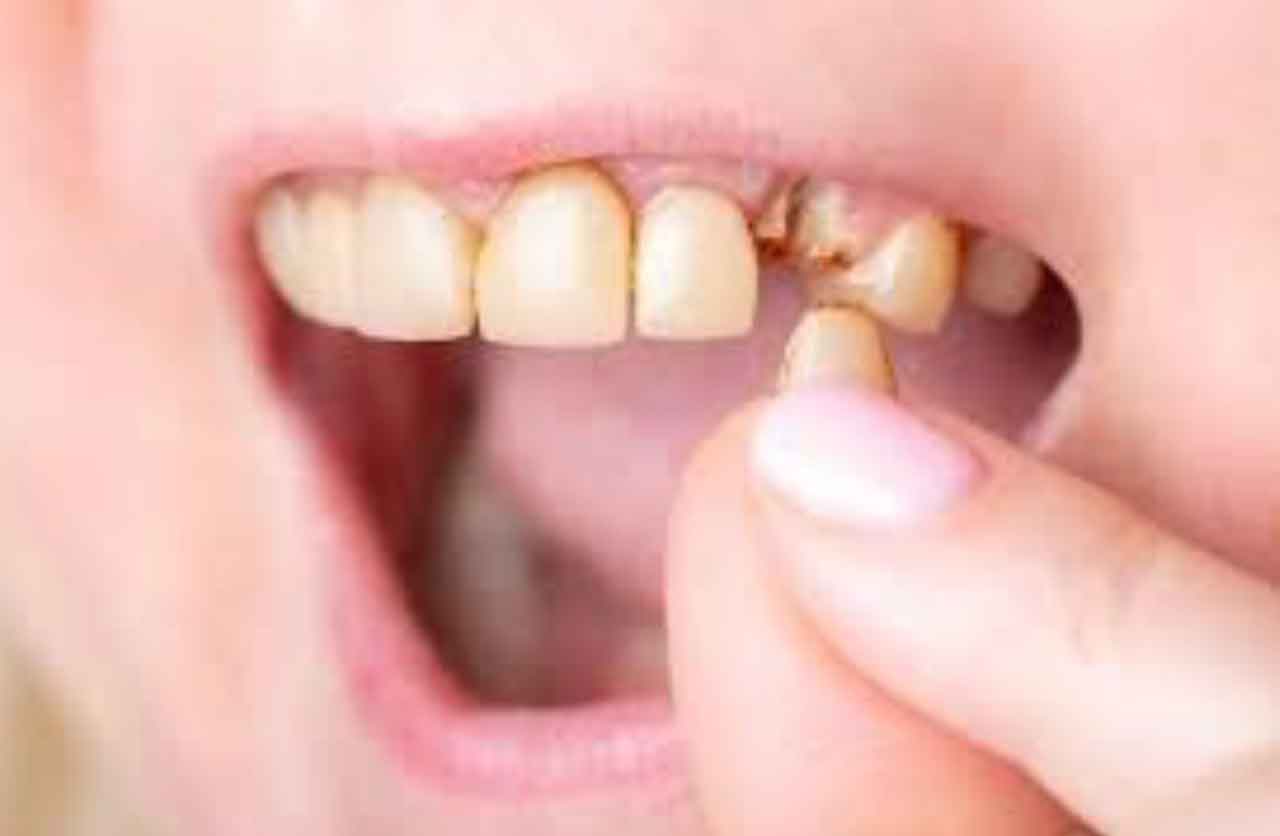
When you have a chipped or broken tooth, protecting it while you wait for an emergency dentist is very important. Taking some simple precautions can prevent further damage and reduce discomfort.
Cover Sharp Edges to Avoid Cuts
A broken tooth often has sharp or jagged edges that can cut your tongue, cheek, or lips. To protect your mouth, you can cover these edges with something soft like sugarless chewing gum or dental wax. If you don’t have dental wax, a piece of clean cotton can work as a temporary cushion.
Avoid Foods That Can Cause More Damage
Be careful about what you eat while your tooth is healing. Hard foods like nuts, chips, or crunchy vegetables can crack the tooth even more. Sticky foods such as caramel or gum might pull at the broken tooth and cause pain or damage. It’s best to stick to soft foods like yogurt, mashed potatoes, or soup until you see your dentist.
Keep the Area Clean
Keeping your mouth clean helps prevent infection. After eating, gently rinse your mouth with warm salt water. This not only cleans the area but also helps reduce swelling. Avoid brushing the broken tooth too hard, but keep brushing the rest of your teeth carefully to maintain good oral hygiene.
Avoid Extreme Temperatures
Broken teeth can become very sensitive to hot or cold drinks and foods. Try to avoid very hot coffee or ice-cold drinks until your dentist can check the tooth. These temperature changes can cause sharp pain or discomfort.
When to Seek Immediate Help
Knowing when to seek immediate help is crucial if you have a chipped or broken tooth. Some situations need quick attention to avoid serious complications or permanent damage.
Severe Pain or Bleeding
If your tooth is causing intense pain that doesn’t get better with over-the-counter medicine, it’s time to see an emergency dentist right away. Also, if there is heavy bleeding that won’t stop after rinsing your mouth gently, you should get immediate care. These signs could mean the injury is more serious than just a simple chip.
Tooth Completely Knocked Out
If your tooth has been completely knocked out, this is an emergency. Time is very important because the chances of saving the tooth are highest if you get help quickly—ideally within 30 minutes to an hour. Find the tooth, handle it carefully by the crown (the part you chew with), and keep it moist in milk or saliva while heading to the dentist.
Jaw Injury or Difficulty Moving Your Jaw
Sometimes, a broken tooth might come with a jaw injury. If you have trouble opening or closing your mouth, notice swelling that affects your face, or feel numbness in your chin or lips, seek immediate medical attention. These could be signs of a more serious injury.
When in Doubt, Call Your Dentist
If you’re unsure about the severity of your injury, it’s better to call your emergency dentist and explain your symptoms. They can guide you on what to do next and whether you need to come in right away.
Conclusion
Got a chipped or broken tooth? Don’t panic. Rinse, protect, and avoid using it. Use cold packs for swelling and call your emergency dentist right away. Knowing what to do makes a big difference. Follow these steps to keep your smile safe until help arrives. Quick actions mean a better fix later.