9/11, in Full: What Happened, How It Happened, and How It Reshaped Canada—and Thunder Bay
Thunder Bay – History – September 11, 2001 was a day where almost everyone remembers where they were. For me, I was working to a deadline for a magazine publishing, and unusually, the television in my office was not on. One of our employees came in and saw how focused I was on work and commented, “You don’t know what happened do you?”
From there it was to the television set, and watching with utter shock and horror as what had started in New York as a beautiful morning turned into a totally awful day.
The impact of the terror attacks changed so many aspects of our world from that day forward. Air travel became a security hurdle, people looked with doubt and in many cases fear at people of Muslim faith.
What happened on September 11, 2001
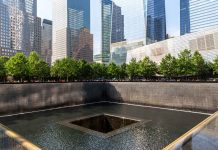
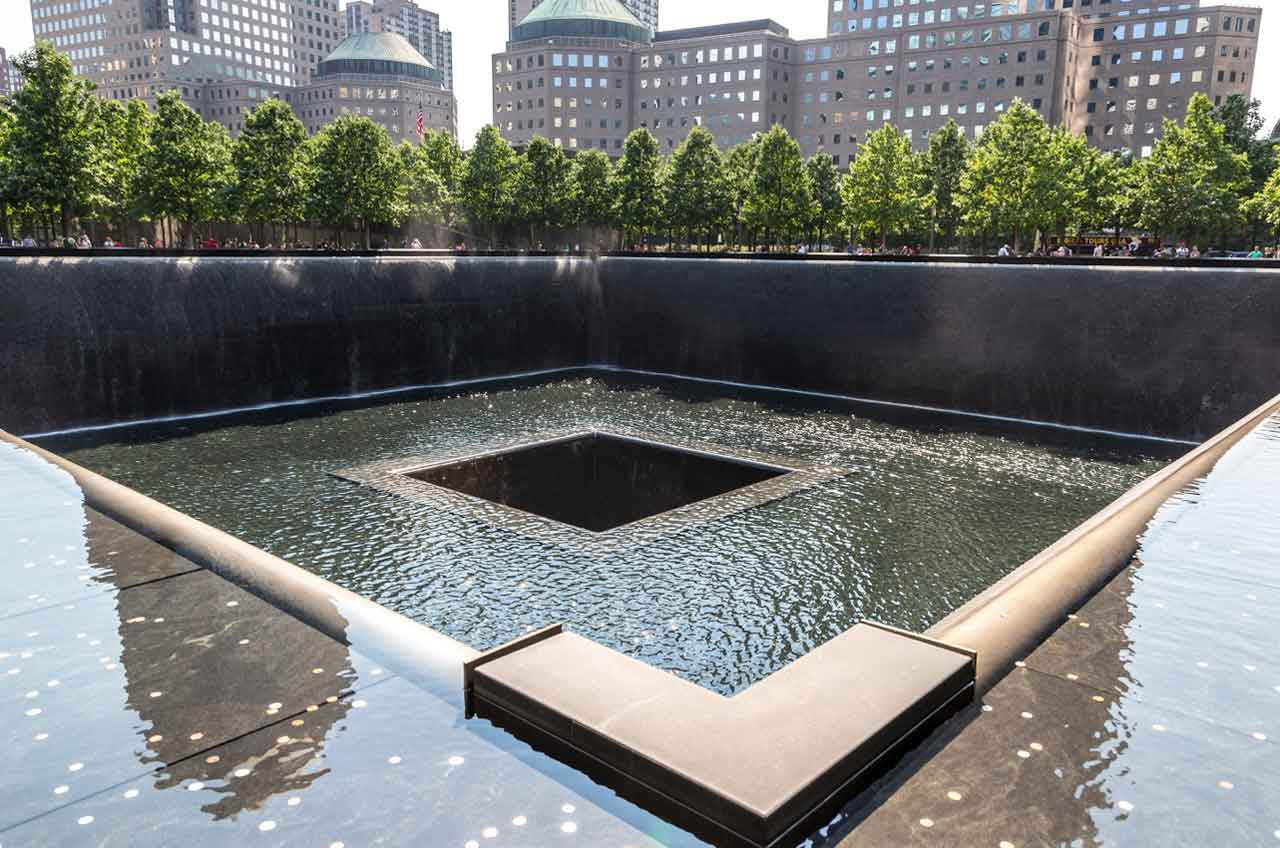
Nineteen al-Qaeda operatives hijacked four U.S. airliners, turning them into weapons. American Airlines Flight 11 hit the World Trade Center’s North Tower at 8:46 a.m.; United Airlines Flight 175 struck the South Tower at 9:02–9:03 a.m.
Both towers later collapsed—WTC 2 at 9:59 a.m. and WTC 1 at 10:28 a.m. American Airlines Flight 77 crashed into the Pentagon at 9:37 a.m., and United Airlines Flight 93—after a passenger revolt—crashed near Shanksville, Pennsylvania, at 10:03 a.m.
The death toll was 2,977 victims (excluding the 19 hijackers).
Wildly complicated emergency operations followed in New York, Virginia and Pennsylvania; the FBI’s “PENTTBOM” became the largest investigation in its history.
How it happened: the plot and the failures
Al-Qaeda’s leadership, including Osama bin Laden and Khalid Sheikh Mohammed, conceived a suicide hijacking plan that exploited weaknesses in civil aviation: lightly protected cockpits, inconsistent screening, and outdated assumptions about hijacker behavior.
The 9/11 Commission summarized the U.S. government’s shortcomings as “failures of imagination, policy, capabilities, and management.”
-
Security gaps. Pre-9/11 rules and screening practices allowed small knives/box cutters aboard; cockpits were not hardened. (Post-attack, knives/box cutters were banned, and cockpit doors were reinforced.)
-
Missed intelligence. Red flags included the “Phoenix Memo” warning about extremists in U.S. flight schools; known al-Qaeda figures Khalid al-Mihdhar and Nawaf al-Hazmi entered the U.S. undetected by field agents; and the Zacarias Moussaoui case, which stalled before investigators could search his laptop.
On the engineering side, federal investigators later concluded that WTC 1 and 2 collapsed after aircraft damage and fires compromised floor systems and columns; WTC 7 fell hours later due to uncontrolled fires ignited by debris.
Immediate results: airspace shut, markets shaken, alliances invoked
-
North American airspace: The U.S. grounded flights and Canada executed Operation Yellow Ribbon, diverting more than 220 flights and sheltering ~33,000 passengers across 17 airports—an extraordinary binational response.
-
Markets: U.S. exchanges closed until Sept. 17, 2001, reopening to steep losses led by airlines and travel.
-
Allies: NATO invoked Article 5—collective defense—for the first and only time.
How it changed the world
Wars and global security doctrine
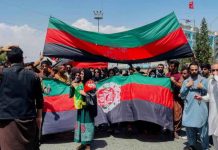
The U.S. and partners launched Operation Enduring Freedom in Afghanistan on Oct. 7, 2001; the Iraq War began March 20, 2003—conflicts that defined a generation. Scholarly tallies estimate multi-trillion-dollar costs and widespread human displacement across post-9/11 war zones.
Security state expansion
Washington created the Department of Homeland Security (2002/2003) and TSA (via the 2001 Aviation and Transportation Security Act), federalizing airport screening and hardening cockpit doors.
In parallel, the USA PATRIOT Act vastly expanded surveillance authorities—praised by some as necessary; criticized by others as overreach.
Canada’s policy reset
Canada stood up CATSA (2002) to standardize airport screening; later introduced the Passenger Protect Program (no-fly list); and reorganized public-safety and border functions, creating Public Safety Canada and the CBSA (2003). Canada and the U.S. also signed the Smart Border Declaration to tighten—and speed—the border.
NORAD and the air-defense mission
NORAD added a permanent, inward-looking mission—Operation Noble Eagle—to intercept domestic air threats, a standing change that still shapes air policing over Canada and the U.S. today.
Society and civil liberties
The attacks fueled a long debate over security vs. privacy and a surge of Islamophobic hate across North America, including in Canada.
Government data and research note persistent increases in anti-Muslim incidents in the years after 2001.
Canada on 9/11: relevance for Thunder Bay and Northwestern Ontario
-
Operation Yellow Ribbon’s ripple effects: While Atlantic and major hub airports hosted most diversions, the operation reshaped Canadian aviation security everywhere—including Thunder Bay—through CATSA’s national screening standards (from passenger checks to restricted-area access).
-
Local service and sacrifice: Reservists from Thunder Bay’s Lake Superior Scottish Regiment (LSSR) deployed to Afghanistan; Cpl. Anthony Boneca, 21, a Thunder Bay reservist with LSSR, was killed in action near Kandahar in 2006.
-
Border and trade: The Smart Border agenda and creation of CBSA permanently “thickened” but streamlined the border—material for any Northwestern Ontario business reliant on U.S. markets, trucking, or tourism.
-
Air-defense posture: NORAD’s Noble Eagle has meant ongoing quick-reaction alert coverage across Canada’s airspace—another post-9/11 reality that touches the North.
The reckoning, two decades on
The 9/11 Commission called for deep reforms; many followed, yet controversies endure—from surveillance powers to the wisdom and human costs of the Iraq war.
Brown University’s Costs of War project estimates multi-trillion expenditures and millions displaced or killed directly/indirectly across multiple theaters—figures that underscore a generational impact, well beyond the day itself.
For Canadians—and readers in Thunder Bay—9/11 is not only a U.S. tragedy. It’s a hinge point that changed how we fly, cross the border, police our skies, and understand civil liberties and social cohesion.
The story is global; the consequences remain local, national, and international.