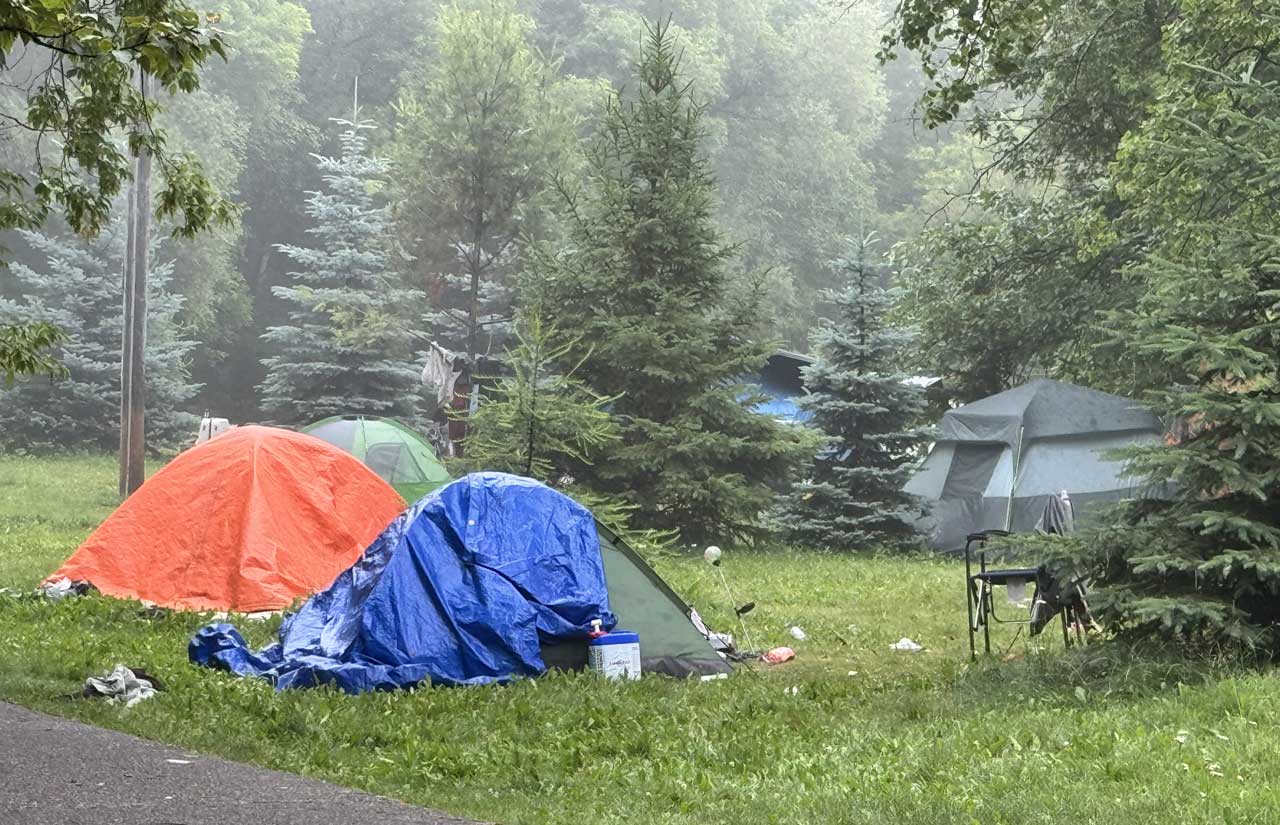
Thunder Bay, ON, September 2, 2025 – More than 100 of Thunder Bay’s Intercity businesses and healthcare facilities, known as the Intercity Business Collective (IBC), are asking the City of Thunder Bay to reassess the Hillyard Site for the proposed temporary shelter village.
The group backs Councillor Michael Zussino’s recent motion to rescind approval of the location and supports evidence-based solutions to address housing and social issues in Thunder Bay.
The IBC, a grassroots network of local businesses, notes that a clear plan for safety measures, community consultation, and long-term economic planning would help ensure confidence in the project and minimize potential impacts on surrounding commercial areas.
The project’s $5 million capital estimate and $1.5 million annual operating budget have raised concerns about potential financial pressures and long-term viability. Safety considerations include the potential for increased crime, trespassing, and emergency planning needs. Zoning, compliance, and environmental requirements are also being highlighted for further review.
Healthcare professionals within the group emphasize the importance of integrated medical, mental health, substance use, and emergency services in the plan.
“Placing vulnerable individuals in a facility without integrated medical, mental health, and addiction support is concerning,” says an IBC spokesperson. “This approach could lead to worsening health outcomes, increased strain on emergency services, and unsafe conditions for both residents and the surrounding community. A coordinated healthcare model is essential to ensure this project truly helps the people it’s meant to serve.”
Community representatives suggest a revised plan that includes detailed funding strategies, healthcare provisions, and consultation with businesses, Indigenous leaders, healthcare providers, and community members.
When complete, the temporary shelter village is intended to include 80 sleeping cabins and onsite services to help individuals transition into permanent housing.