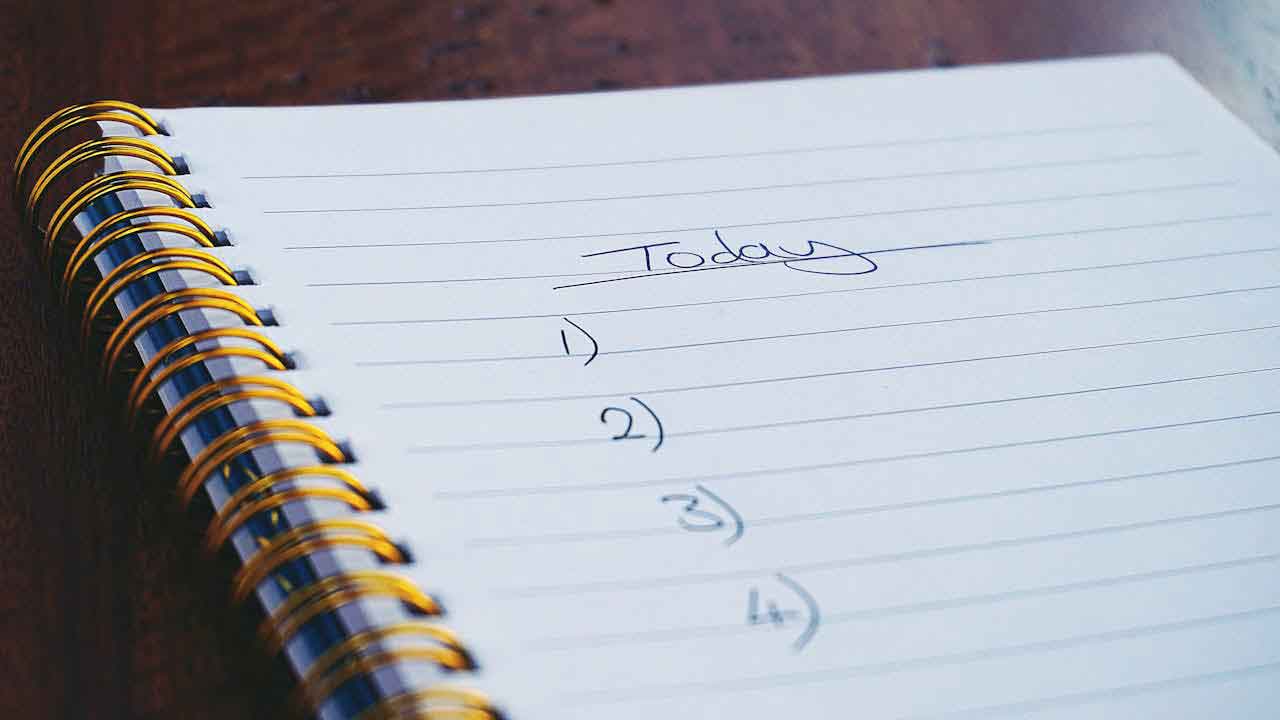
People love to talk about routines. They make it sound easy. Wake up early. Exercise. Eat healthy. Cross off your to-do list. Go to bed on time. Sounds nice, right?
But in reality, it rarely works that smoothly. You slip. You forget. Some days you don’t even want to try. The problem isn’t you. The problem is the way most people build routines. A daily routine that actually sticks needs patience, strategy, and the right mindset.
Start Small
The fastest way to ruin a routine is to overload it. You try to add ten new habits in one week. You crash. You quit. That’s because your brain can only handle so much change at once. Instead, start small. Pick one or two habits. Maybe it’s drinking water first thing in the morning. Maybe it’s setting a bedtime and sticking to it.
When those stick, add another. And then another. It’s like stacking bricks. Each new habit feels solid because the old ones already hold. That slow build turns into something lasting.
Prioritize Energy
Consistency needs energy. If you’re tired all the time, nothing sticks. Look at what drains you most. Late-night scrolling? Too much coffee and then the crash? Skipping meals? These little choices kill energy. Swap them for better ones.
A short workout can help. You don’t need an intense session. Even a brisk walk gives a boost. Food matters too. A balanced breakfast fuels your morning better than sugar or caffeine alone. Don’t forget rest either. Breaks are part of the process. Ten minutes of quiet time can refresh your focus.
Energy is the fuel for habits. Without it, routines fall apart.
Mix in Enjoyment
If your daily routine feels like punishment, you’ll drop it. Balance means mixing in joy. Add something you actually like. Read a chapter of a novel. Journal. Play music. Some people even include more personal self-care, like using a vibrator as a way to relax or boost their mood. It might seem unusual, but it shows that a routine can include comfort as well as chores.
Enjoyment creates balance. If you look forward to some parts of your day, the rest of the routine doesn’t feel so heavy.
Use Cues and Triggers
Habits stick better when linked to something else. These links are called cues. Brush your teeth, then stretch. Sit at your desk, then drink water. Simple triggers make new actions feel automatic.
Think of it as habit stacking. Each habit links to another. The routine flows like a chain instead of random tasks. Over time, you don’t think about it. You just do it.
Keep It Flexible
People often aim for perfection. Miss one habit and they throw out the whole plan. That’s not balance. Flexibility keeps your routine alive. If you miss a workout, walk instead. If you forget to journal, pick it up tomorrow. The important part is to keep moving forward.
Life won’t match your schedule every day. But that doesn’t mean your system is broken. A routine should bend, not snap. Progress matters more than perfect execution.
Track Progress
Tracking turns invisible growth into visible proof. Use an app, a notebook, or even sticky notes on a wall. Checkmarks and notes create a sense of accomplishment.
When you look back, you see progress. Even small wins stand out. That view motivates you to keep going. Without tracking, it’s easy to miss the progress and lose motivation.

Adjust When Needed
No routine is perfect from day one. You’ll notice what feels useful and what feels like a burden. Be willing to tweak it. Replace habits that don’t work. Shorten tasks if they take too long. Add new ones when you feel ready.
A balanced daily routine grows with you. Whatever it is that works today might not do it in six months. Adjustments keep it relevant. That flexibility makes it sustainable.
Final Thoughts
A routine that sticks isn’t about strict rules. It’s about rhythm. Start with small steps. Protect your energy. Add joy. Use cues. Stay flexible. Track your wins. Adjust as you grow. Each piece adds stability.
The key is balance. A routine should feel supportive, not heavy. Once it supports your life, it won’t feel forced. It will feel natural. And that’s when it lasts.