NDP faces post-election cash squeeze — but rebates and rules are more nuanced than viral claims
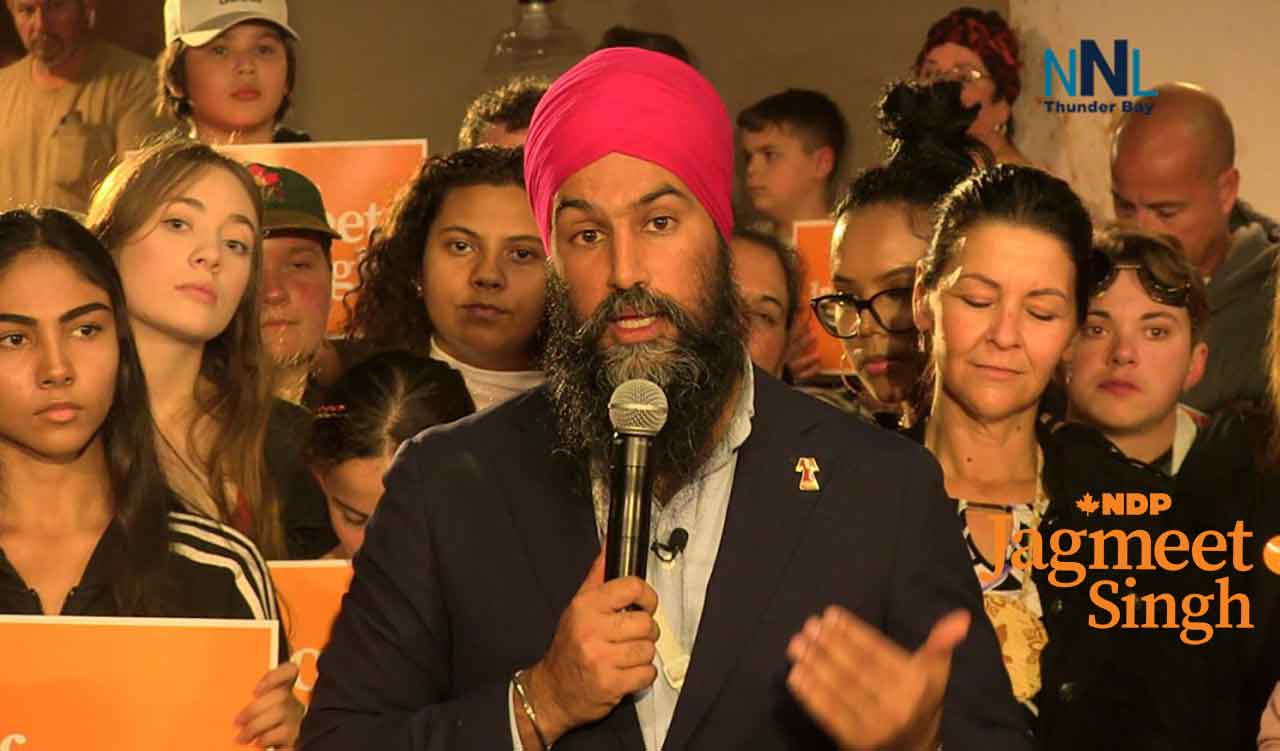
THUNDER BAY – POLITICS – After the 2025 Election, the New Democrats face a major set of problems. First they don’t have official party status in the House of Commons. Second, leader Jagmet Singh lost his seat and has resigned as leader. Third, many of the best known and most effective Parliamentarians didn’t run or ran and lost.
The New Democrats are left with a major election debt, and few paths toward paying off debt.
What’s being claimed
A widely shared commentary argues the federal NDP is “millions short” on its national campaign loan because fewer than 50 of 343 NDP candidates cleared the 10% vote threshold needed for candidate expense reimbursements.
If true, that would sharply reduce the flow of rebates many campaigns use to square their books.
What the law actually says
-
Candidate rebates: Under the Canada Elections Act, a candidate who receives at least 10% of valid votes qualifies for a reimbursement equal to 60% of eligible election expenses (with separate percentages for travel, childcare and accessibility expenses).
-
Party rebates: Separately, registered parties receive 50% of their paid election expenses if their candidates collectively win ≥2% of the national vote or ≥5% in the ridings they contested.
-
The NDP cleared that bar with ~6.3% of the national vote in April’s election, so the party is eligible for a 50% party-level reimbursement regardless of individual riding results.
-
That’s a key nuance missing from some commentary.
-
How many ridings? This election used 343 federal districts (up from 338 in 2021) under the new representation order.
Where the risk really lies
-
Loans that linger: If a political loan remains unpaid after three years, it can be deemed a political contribution under federal law — a headache because only individuals (not banks) may contribute, and individuals face an annual limit (~$1,750 in 2025). That’s why long-dated debt is dangerous. Compliance tools include orders and administrative monetary penalties from the Commissioner of Canada Elections.
-
Bottom line on the claim: The NDP almost certainly faces pressure if many candidates missed 10% — but the assertion that “no rebates means no repayment” is overstated because party-level rebates still flow when a party exceeds 2% nationally. The exact size of any gap isn’t public yet; Elections Canada reimbursement figures and final returns will clarify over time.
What we know about the NDP’s 2025 result and internal tensions
-
Electoral outcome: The NDP recorded its worst modern result — 7 seats and ~6.3% of the vote — losing official party status.
-
Donor redirection push: A grassroots effort, Reclaim Canada’s NDP, is urging supporters to redirect monthly gifts from the central party to local riding associations, a move former strategists warn could further strain headquarters finances.
-
Assets as collateral: Commentary has speculated the NDP’s Jack Layton Building (Ottawa HQ) has secured loans previously and could be at risk if defaults occur. That’s analysis, not confirmed by Elections Canada filings to date.
Why this matters in Northern Ontario
-
Campaign capacity: If the national office tightens spending, riding associations in Thunder Bay–Rainy River, Thunder Bay–Superior North and across the Northwest could see less central support for organizers, research, and voter contact in the near term. That elevates the importance of local fundraising and partnerships for community-level advocacy. (Analytical inference based on standard campaign resource flows.)
-
Policy voice: With the NDP below party-status, committee slots and research budgets shrink, limiting bandwidth to push Northern priorities (resource development agreements, housing, cost-of-living relief and regional air/rail connectivity). That vacuum could shift issue framing to the Liberals and Conservatives, with ripple effects on funding fights crucial to Northwestern Ontario.
What to watch next
-
Elections Canada filings: Party and candidate financial returns/reimbursements will indicate the actual gap between loans and incoming rebates. elections.ca
-
Leadership & fundraising strategy: Whether donor-redirection campaigns persist — and whether the party launches emergency fundraising to stabilize HQ operations.
-
Debt management: Any refinancing or asset moves would signal how the NDP plans to avoid the three-year loan rule snare.
Verdict: Fact-check summary
-
True: Candidate rebates require 10% of the vote; party rebates are 50% when a party surpasses 2% nationally.
-
Likely but not independently verified: The “<50 candidates above 10%” figure — it appears in a commentary, not an official EC release. Treat as unverified analysis pending EC data.
-
Accurate context: Loans unpaid after three years may be deemed contributions; banks can’t contribute and individuals are capped, creating a compliance crunch if debt lingers.