Government Imposes Binding Arbitration in Air Canada Flight Attendants’ Strike; CUPE Rejects the Move
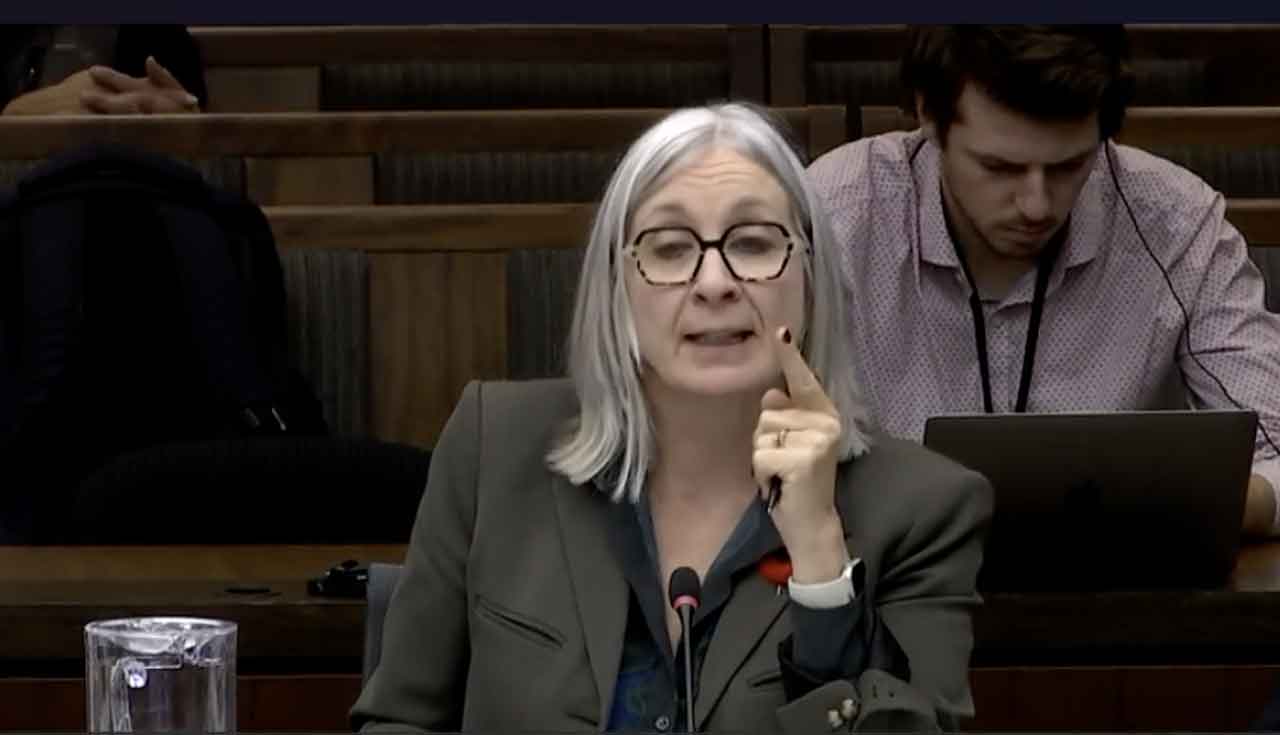
OTTAWA / NATIONAL NEWS – On Saturday, August 16, 2025, Federal Jobs Minister Patty Hajdu invoked the Canada Labour Code to order binding arbitration in the labour dispute between Air Canada and its flight attendants—represented by the Canadian Union of Public Employees (CUPE)—a move that abruptly ended a strike affecting 130,000 passengers daily and grounded nearly all Air Canada and Rouge flights.
Regional carriers operated by Air Canada Express — Jazz Aviation and PAL Airlines — remained unaffected.
Minister Hajdu’s Rationale: “Disappointing to Reach This Point”
Addressing the situation, Minister Hajdu emphasized her preference for negotiation but said circumstances demanded intervention:
“After eight months of negotiations by the parties, and after meeting with both parties last night… it is disappointing to have to conclude today that Air Canada and CUPE flight attendants are at an impasse.”
“The best deals are reached by the parties at the bargaining table. It has now become clear… this dispute won’t be resolved at the table…”
“This nationwide labour disruption is impeding the movement of passengers and critical cargo. … As over 40% of pharmaceuticals and organ tissue is moved by Air Canada, this disruption is a threat to public welfare.”
“That is why I exercised my authorities under section 107 … to direct the Canada Industrial Relations Board to arbitrate this dispute… and extend the terms of the existing collective agreement until a new one is determined by the arbitrator.”
The arbitrator’s decision is expected within 24–48 hours; full flight operations may take up to a week to resume.
CUPE Fires Back: “Undermines Collective Bargaining”
CUPE responded immediately, condemning the federal move as a direct assault on workers’ rights:
“The integrity of the collective bargaining process depends on allowing the parties to reach a resolution through free and fair negotiations, without undue interference… Air Canada appears to have anticipated government intervention and opted to suspend meaningful discussions… Air Canada unilaterally declared an impasse… withdrew from the bargaining table… request for section 107 should be firmly rejected.”
The union maintained that it offered significant concessions, including withdrawing its demand for wage parity with pilots—yet Air Canada failed to respond in kind. CUPE warned that government intervention weakens the union’s negotiating position and violates constitutional rights to strike.
Where Things Stand: Dispute Background
-
Strike Start: Around 1 a.m. EDT, August 16, following a 72-hour strike notice issued by CUPE. Air Canada responded within minutes with a lockout.
-
Core Issues: Compensation for unpaid ground work—boarding, deplaning, pre-flight prep—and broader wage increases. Air Canada offered a 38% increase over four years, but CUPE deemed it insufficient.
-
Impact: Nearly 700 flights canceled, affecting 130,000+ travelers per day, especially during peak summer travel.
What the Arbitration Means
-
Flights resume gradually: paired with compensation logistics and cargo operations.
-
Current agreement extended: until arbitrator rules on new terms.
-
Negotiating rights in focus: unions and observers warn of lasting effects on future disputes.