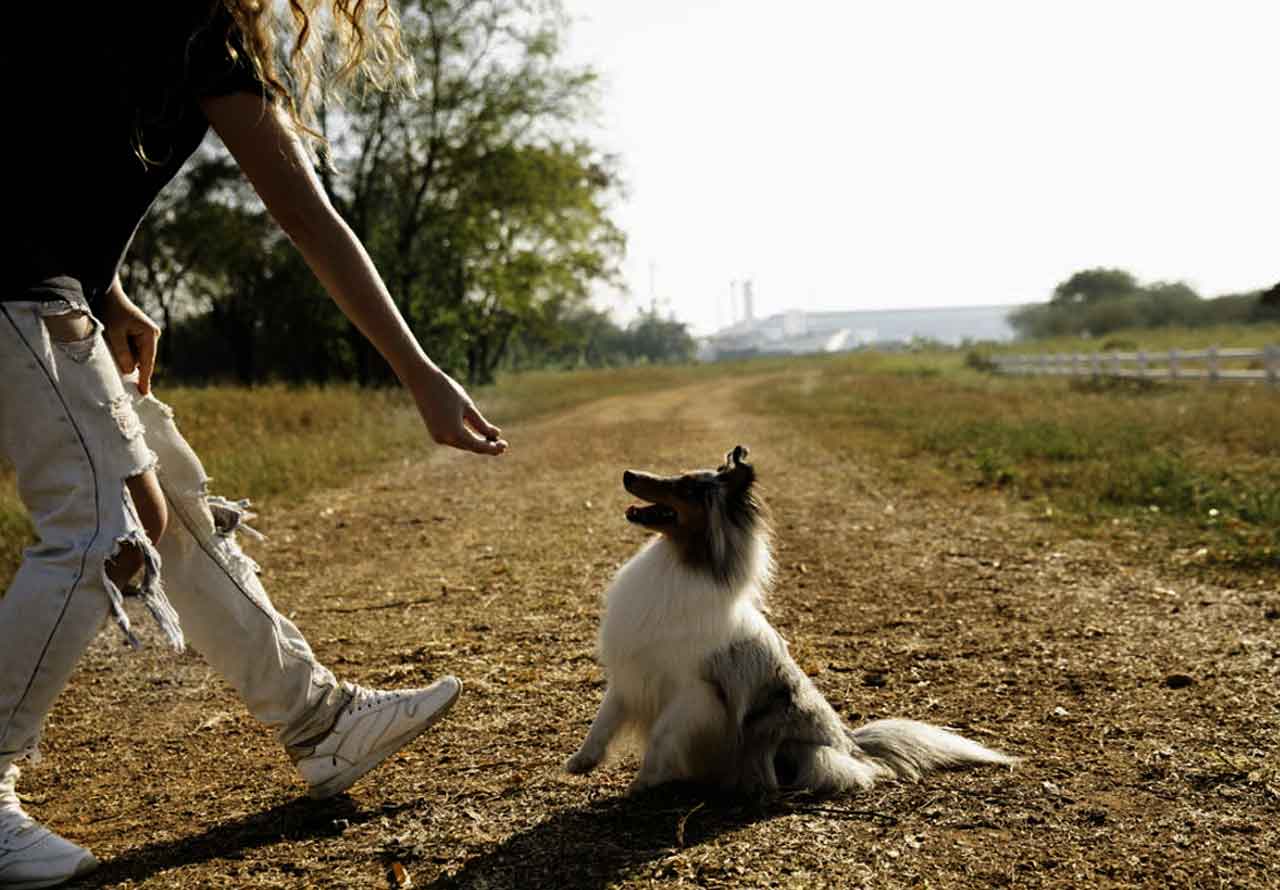
Stepping outside to train your dog should be a joy. Yet it’s pretty common to offer a treat on the walk and have that same trusted canine turn its nose. This doesn’t mean that training is doomed to failure – it’s simply the reaction of the dog’s brain and senses to the world full of distractions.
When a dog ignores treats during training outdoors, it usually comes down to competing priorities. One strong scent, a squirrel racing by, or the sound of kids playing down the street can steal their attention in a second. In fact, a dog won’t take food outside because the world could be just too interesting.
This isn’t a sign to give up – it’s a sign to adapt. Our article explains why dogs lose interest in food outside, how to train a dog that ignores treats, and practical ways to rebuild their focus using proven methods, such as PawChamp app. The aim is simple: create the right conditions for your dog to feel calm, engaged, and ready to learn anywhere.
Why Dog Won’t Take Treats Outside
Recent studies published on ScienceDirect note that treats are one of the best tools for training and strengthening the bond between dogs and their owners. Understanding treat refusal in dog training starts with looking at what’s competing for their attention and how their brain reacts to all that input. Once you know what’s going on, fixing it becomes much easier.
Distractions and overstimulation
Step outside, and your dog’s senses go into overdrive. One whiff of a new scent can make that treat in your hand irrelevant. Dr. Patricia McConnell, an applied animal behaviorist, often explains that dogs process their surroundings through scent first, sight second. And only after it, they may pay attention to food. No wonder a treat sometimes gets ignored when you have an overstimulated dog during walks.
Stress or anxiety
Not all dogs find the outdoors thrilling. For some, it’s stressful. Noisy streets, crowds, or strange places can trigger anxiety, and when stress levels rise, appetite tends to drop, making a dog not food-motivated. Dr. Karen Overall, a veterinary behaviorist at the University of Pennsylvania, has documented how stress hormones (such as cortisol and adrenaline) can suppress both appetite and focus.
Lack of generalization in training
Dogs don’t automatically understand that “sit” indoors is the same as “sit” outside. They learn by context. Without practice in different locations, they may act like they have never heard the command before. Slowly introducing training in new environments helps connect the dots and makes treats meaningful again.
Medical or physical issues
If your dog doesn’t respond to food outside and shows the same reluctance indoors, it may be time to check with your vet. Pain, nausea, or dental issues can reduce appetite. It’s always better to rule it out than keep wondering.
How to Fix Dog Treat Refusal
When a dog won’t focus on treats, training just needs a different starting point. Once you see the pattern, it becomes clear how to set the stage for better progress.
Start in a low-distraction environment
How to build engagement in dogs? Start where success is almost guaranteed: at home, in a quiet room with no distractions. Once the command is solid there, add small, controlled triggers: turn on the TV, have another person nearby, or wave a toy. When your dog can perform the command flawlessly under those conditions, move outside to the yard without distractions. From there, progress to an empty park, then gradually to busier spots like sidewalks, cafés, or areas with people, dogs, and traffic. In PawChamp’s training approach, this method is called desensitization.
According to the American Kennel Club, dogs learn best when difficulty rises in small, predictable steps – not all at once. For example, when coping with food rejection during walks, if your dog can sit in the kitchen, ask for “sit” at the front door. Once that’s easy, try it on the porch, then during a short walk. Each step locks the behavior in before you move to the next challenge.
Use high-value treats for dog training
If your dog is uninterested in training treats, the problem might be the treats themselves. Indoors, kibble might work. Outside, it barely stands a chance. Curious how to get a dog’s attention? Upgrade to rewards that compete with the world, using a quick “treat showdown”. Grab a few options: bits of roasted chicken, freeze‑dried liver, or cheese. Offer two at a time from separate hands, and see which one your dog picks. The clear favorite will be your best tool for getting their attention.
Tip: reserve the “special” rewards only for outside sessions. When your dog knows the good stuff comes out on walks, dog training motivation skyrockets.
Work on engagement before feeding
Sometimes, a dog ignores treats when outside because they’re too overstimulated to care. Before training, build a connection.
Play a quick “find it” game by tossing treats on the ground and letting your dog sniff them out. Reward simple eye contact – one glance at you equals a treat. These small wins warm up their focus, making training easier. Engagement first, food second.
Create positive outdoor associations
If your dog looks fearful on walks, treats alone may not solve it. For anxious dogs, the goal is to change how they feel about the outdoors. Dr. Zazie Todd, a psychologist and certified dog trainer, recommends counterconditioning – pairing stressful situations with positive rewards: special snacks, calm praise, or just quiet moments in safe spots. This turns training a dog that doesn’t want treats from a brick wall into a problem you can chip away.
Use dog training apps
If progress feels slow, dog training apps like PawChamp can fill in the gaps. They offer step‑by‑step video guides, expert advice, and even quick “Ask a Dog Expert” support. The app covers everything from basic obedience to impulse control, reactivity, separation anxiety, and teaching focus in distracted dogs. It’s designed for busy owners, so training fits into walks or couch time without the cost of private sessions.
According to PawChamp app reviews, many owners use it to go from problematic moments to breakthrough sessions with clear, professional guidance. In some use cases, after just two weeks, the dog showed noticeable progress with leash pulling and basic commands, thanks to short, easy-to-follow lessons based on positive reinforcement.
Where Most Pet Parents Go Wrong
When won’t a dog take treats outside? In reality, most setbacks come from a few common errors that are easy to fix.
- If a dog doesn’t like treats during training, pushing the issue only adds stress. Trying to “make” them eat turns a simple exercise into a power struggle. Appetite vanishes when a dog feels pressured, and so does trust.
- Many owners use the same kibble indoors and outside, then wonder why their dog won’t take treats on walks. Outdoors is full of smells and sounds. In that setting, low-value food rarely stands a chance.
- Overtraining without breaks. A dog won’t accept rewards if it is simply tired. Two or three minutes of success, followed by a break, builds stronger habits than ten minutes of struggle.
- When progress stalls, many owners try to figure it out alone. Skipping structured help, like dog training apps, can make things more complicated than they need to be. Apps such as PawChamp guide you through realistic steps to train with reward alternatives for dogs, and expert tips that solve real-world problems faster.
Avoiding these mistakes can transform training. A dog that once refused every snack outdoors can learn to stay focused, enjoy rewards, and build real progress on every walk.
Turning Walks into Wins
Dogs are usually most motivated by food. In calm settings, food beats toys or praise almost every time. Outside, it changes. Surrounded by new smells, sounds, and movement, their attention shifts. Their senses are designed to process that information first, which can make food less appealing for a while. This could be a possible reason why a puppy won’t take treats outside.
A practical solution is a multi-step approach.
- Сhoose rewards that stand out. Dogs usually pay more attention to treats with a strong smell, like freeze-dried meat or cheese, than to plain kibble.
- Switch them up often, because a dog uninterested in training treats might just be tired of the same flavor.
- Keep training sessions short, add distractions gradually, and build focus step by step.
By matching the reward to the challenge, food regains its value, and a dog that once ignored treats outside begins to focus consistently.