THUNDER BAY – HOUSING & POLITICS — Ontario’s new Bill 10, officially the Stopping Illegal Activity in Residential Neighbourhoods Act, 2024, promises significant changes for landlords and social housing providers by granting municipalities enhanced powers to tackle chronic nuisance properties, including those involving drug-related crime, violence, and repeated police interventions.
While the legislation is not as comprehensive as the Safer Communities and Neighbourhoods program run by the Alberta Sheriffs, it is a potential start for Ontario.
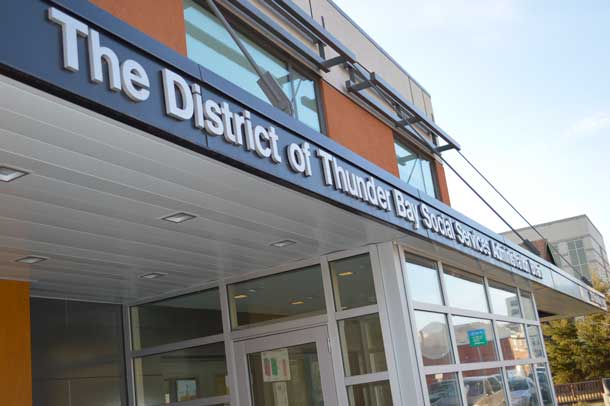
While intended to combat criminal activities, the bill’s implementation has raised concerns among landlords and particularly social housing organizations, like the Thunder Bay District Social Services Administration Board (TBDSSAB), over new burdens and responsibilities.
What Bill 10 Means for Municipalities and Landlords
Under Bill 10, Ontario municipalities can now:
-
Label problematic residential properties as “nuisance properties”
-
Impose substantial administrative penalties on property owners who fail to eliminate ongoing illegal activities
-
Require landlords and property managers to execute remediation strategies, including improved lighting, surveillance, or eviction of problematic tenants
-
Recover enforcement-related costs, such as policing, fire services, and public health interventions directly from landlords, even without criminal convictions
For landlords—especially those managing multi-unit or low-income properties—the bill could mean increased financial exposure and greater obligations, as it places much of the responsibility for controlling criminal or disruptive tenants on property owners.
Specific Challenges for Social Housing Providers
Social housing providers, including the TBDSSAB—which manages thousands of subsidized housing units in Thunder Bay—will feel the pressure of Bill 10 most directly. With a mandate to house some of the region’s most vulnerable and high-need tenants, social housing providers are often disproportionately affected by drug-related and criminal activities.
While properties provided by Thunder Bay’s TBDSSAB housing have faced resident protests, increases in criminal activities along with problems with the social housing provider evicting problem tenants, the agency faces concerns over the lack of building security and the real impact of the security cameras in the properties.
Potential impacts on social housing include:
-
Increased Financial Strain: TBDSSAB could face significant fines and recovery costs linked to policing and emergency responses, exacerbating existing funding pressures.
-
Complex Eviction and Tenant Management: Providers must balance strict eviction rules under the Housing Services Act against municipal expectations to rapidly address nuisance properties.
-
Risk of Tenant Displacement: Increased enforcement pressure could inadvertently lead to higher eviction rates, placing more tenants at risk of homelessness.
-
Community Implications: Stricter regulations could create tension between social housing authorities, tenants, and community services providers, complicating relationships and service delivery.
Alberta’s More Direct Enforcement Model (SCAN Program)
Ontario’s approach under Bill 10 contrasts significantly with Alberta’s Safer Communities and Neighbourhoods (SCAN) program, administered by Alberta Sheriffs, which offers stronger, more immediate tools to address similar challenges.
Alberta’s SCAN program can:
-
Investigate and quickly shutter properties linked to illegal activities, such as drug trafficking, prostitution, and gang operations.
-
Apply directly to courts to secure eviction orders or temporarily close problematic properties, often within weeks.
-
Operate independently of criminal charges or convictions, using civil measures to rapidly restore neighbourhood safety.
Since its implementation, Alberta’s SCAN unit has successfully closed hundreds of drug houses and criminal hotspots, providing a clear and immediate community benefit.
Thunder Bay’s Unique Position
In Thunder Bay, where social housing plays a critical role in supporting vulnerable populations, the implications of Bill 10 have sparked debate about balancing public safety and tenant rights.
While the legislation gives municipalities tools to hold negligent landlords accountable, critics argue it provides no practical mechanism or financial support to assist social housing providers facing challenging tenants and limited eviction capabilities.
The TBDSSAB and similar organizations may require additional provincial support or exemptions to effectively navigate the increased accountability and financial burdens imposed by Bill 10.
Moving Forward: Balancing Safety with Support
As Bill 10 rolls out, municipalities and housing organizations across Northern Ontario will need clearer guidelines on managing tenant issues without destabilizing critical social housing stock.
Many housing advocates argue that enforcement alone, as embodied by Bill 10, is not enough. A comprehensive approach—including supportive housing, addiction services, and improved social supports—is needed alongside stricter enforcement.
For Ontario’s social housing providers, including the TBDSSAB, Bill 10 represents both a challenge and an opportunity to re-evaluate how communities manage and mitigate risks associated with high-needs housing.