VANCOUVER – July 28, 2025 | NetNewsLedger Business News – A new report from Resource Works warns that rising U.S. tariffs on Canadian lumber—now set at 20.56%—could trigger far-reaching and largely unrecognized systemic risks across British Columbia, threatening rural infrastructure, emergency services, Indigenous partnerships, and local economies.
Authored by policy researcher Jerome Gessaroli, the report, “Rising US Tariffs on Forest Products and the Systemic Risks Facing British Columbia,” cautions that a sharp decline in BC’s forest sector could erode the foundation of many interdependent systems, especially in remote and rural areas.
“Forestry in B.C. is more than mills and jobs—it quietly supports road access, emergency response, and rural economic life,” said Gessaroli. “If the industry weakens, the consequences could be far deeper and more disruptive than policymakers anticipate.”
Hidden Vulnerabilities, Unseen Dependencies
The report comes on the heels of the U.S. Department of Commerce’s tariff increase on Canadian softwood lumber, a move that threatens to worsen an already precarious situation for BC’s forest-dependent communities.
Key findings include:
-
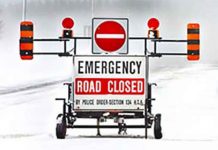
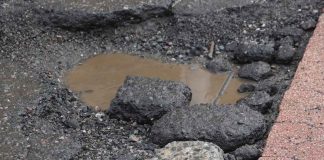
125,000 km of backcountry roads at risk of disrepair or decommissioning if logging declines by even 25%.
-
Emergency response systems—including wildfire suppression and ambulance services—could lose access to remote regions.
-
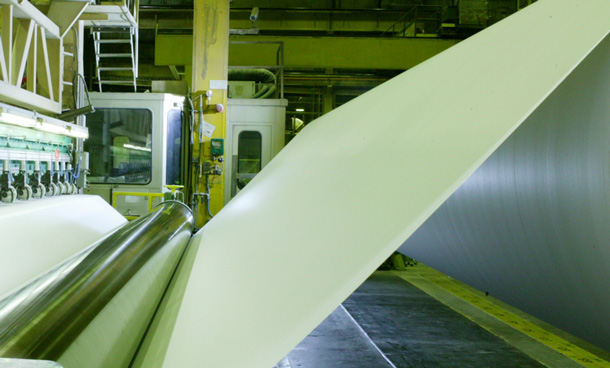
Supply chain pressure on downstream users like pulp mills, wood pellet producers, and livestock bedding operations.
-
Indigenous communities could suffer from reduced income and diminished access to services and traditional lands.
-
Rural tourism and recreation may shrink due to lost road access and service disruption.
“This is not just a sectoral issue—it’s a systems issue,” said Stewart Muir, CEO of Resource Works. “Without proactive planning, B.C. could face cascading failures in essential services and infrastructure.”
Ontario Connections: A Warning for Thunder Bay and the North
While the report focuses on British Columbia, the implications are national—and particularly relevant for Northwestern Ontario, where towns like Thunder Bay, Ignace, Dryden, and Atikokan rely heavily on forestry.
Many of the risks flagged in BC—like loss of rural access roads, strained emergency response, and Indigenous economic setbacks—mirror vulnerabilities in Ontario’s forest-dependent regions. With similar U.S. tariffs impacting Ontario mills, local leaders may want to adopt some of the report’s forward-looking recommendations.
Thunder Bay and other Ontario hubs could use this analysis to guide infrastructure planning, workforce stabilization policies, and Indigenous consultation frameworks, especially if the sector’s financial outlook worsens.
A Call for Resilience Planning
Commissioned by Resource Works, the report is intended to support long-term dialogue around economic resilience, infrastructure investment, and intergovernmental coordination in the face of growing trade and climate pressures.
“What happens in forestry doesn’t stay in forestry,” said Gessaroli. “This is about maintaining regional resilience and protecting vital community systems.”
Read the full report:
Rising US Tariffs on Forest Products and the Systemic Risks Facing British Columbia