Softwood Dispute Tops Ottawa’s Trade Agenda
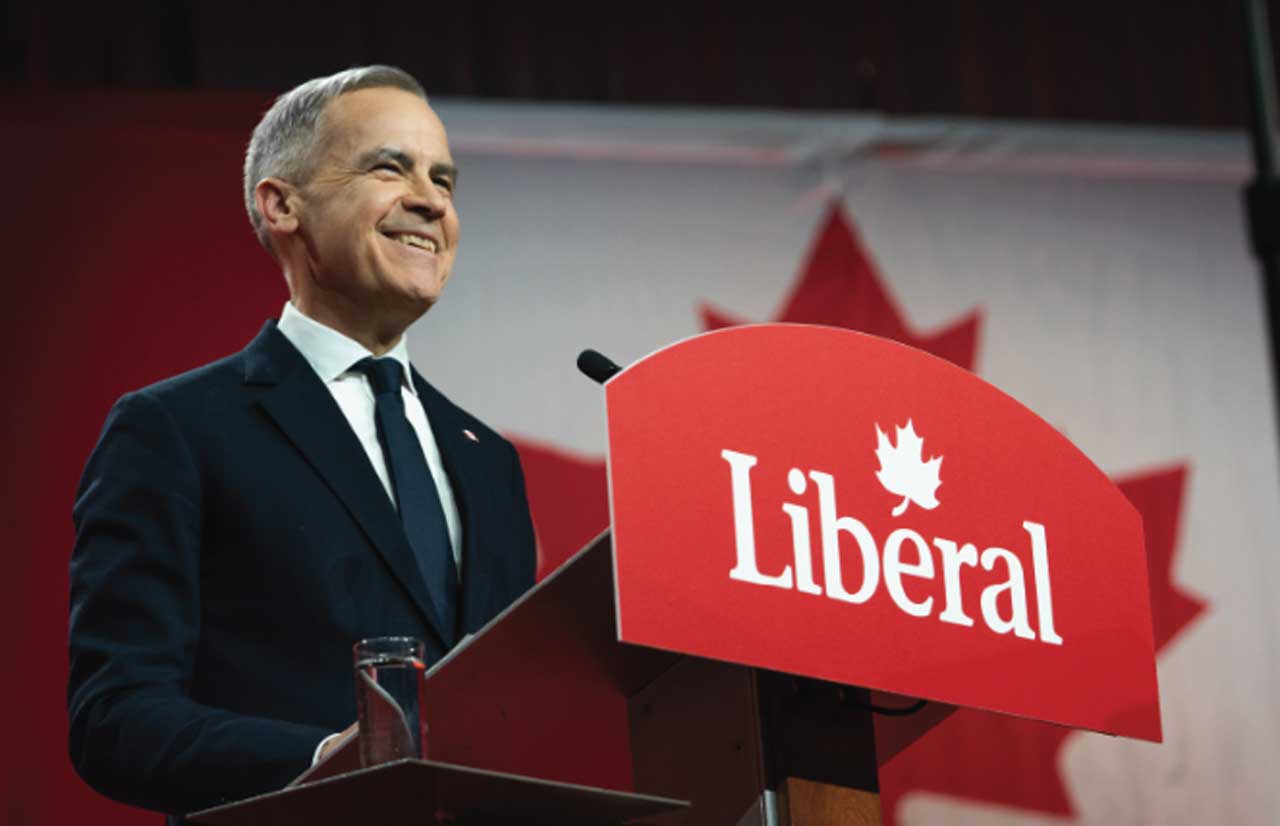
Thunder Bay – Business – On July 16, 2025, Prime Minister Mark Carney told reporters in Hamilton that securing a cease-fire in the decade-long Canada–U.S. softwood lumber dispute is “a top priority,” even as Canadian producers prepare for combined anti-dumping and countervailing duties set to jump to 34.45 per cent this September.
Mr. Carney, speaking after unveiling new measures to shield Canada’s steel sector, said Ottawa is negotiating “constructively” with Washington on a broader trade and security pact that would address tariffs on a range of Canadian goods—including lumber—though he cautioned it may not strip out all of U.S. levies.
Northwestern Ontario Mills Face Steep Cost Hike
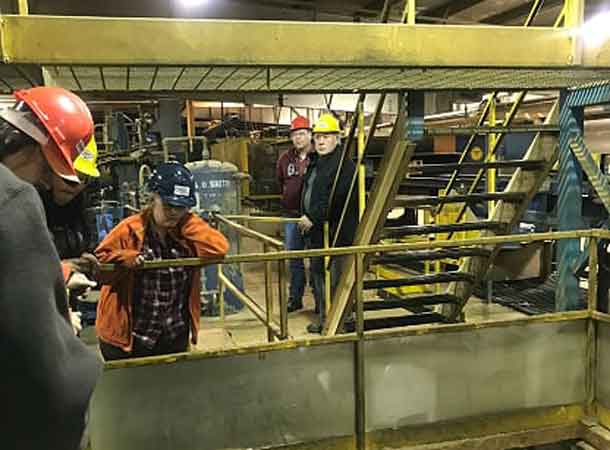
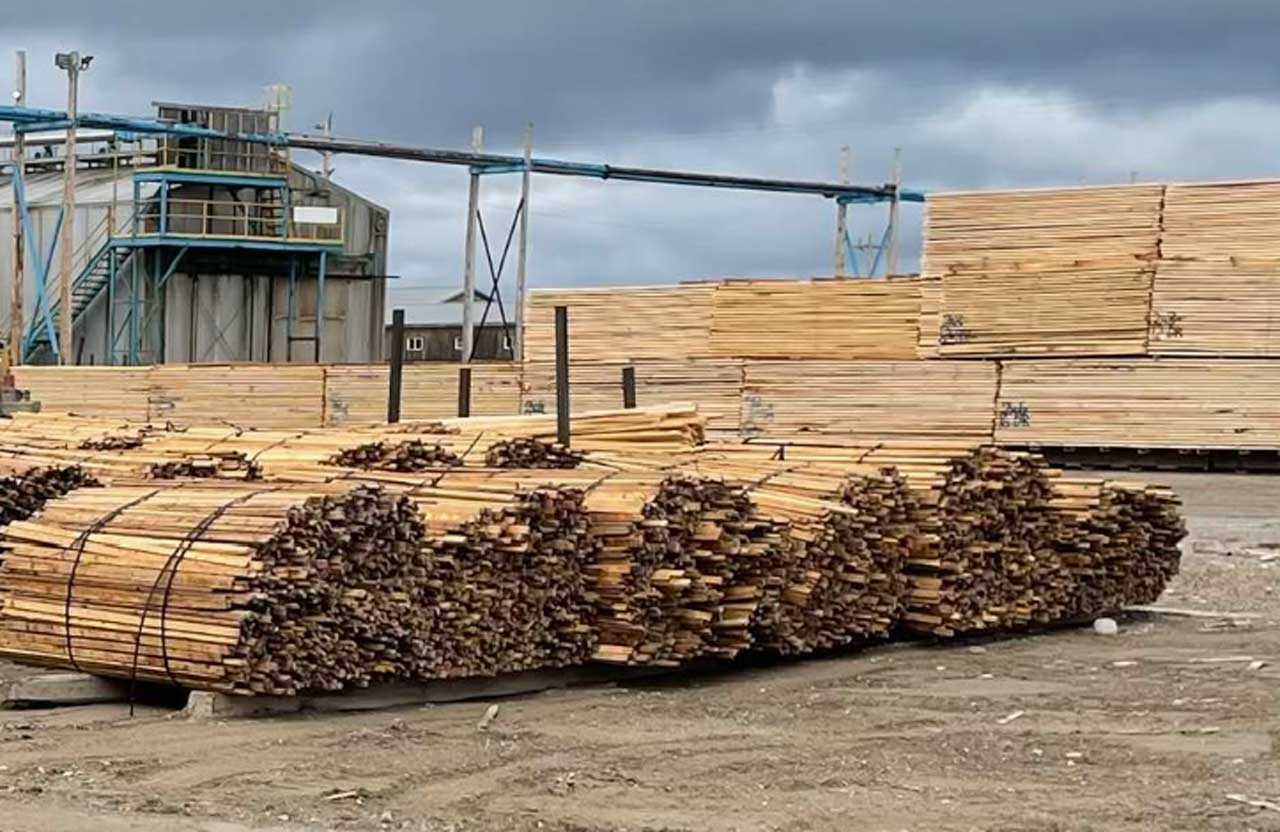
For the Thunder Bay region—where forestry underpins thousands of direct and indirect jobs—such a tariff surge could add millions to export costs. Local sawmills that ship spruce, pine and fir to U.S. homebuilders may see their per-cubic-metre costs climb by over C$150, squeezing margins and slowing production.
Many small operators in Northwestern Ontario already grapple with tight cash flows and rising input prices; a 34.45 per cent duty could force curtailments or layoffs as early as the fourth quarter.
Ottawa and Provinces Coordinate Response
Mr. Carney said he remains in close contact with B.C. Premier David Eby—whose province accounts for roughly 40 per cent of Canada’s softwood exports to the U.S.—on southbound lumber shipments. Ontario’s forestry minister has likewise been pressing Ottawa for contingency funding and “market diversification” support, particularly for mills in Thunder Bay and Kenora districts.
Historically, Canada–U.S. softwood accords have included managed-trade elements such as export quotas in exchange for duty relief; the last agreement lapsed in October 2015, and since 2017 duties have been levied on most Canadian producers.
Path Forward: Negotiation, Litigation—or Both?
With the U.S. Commerce Department’s preliminary duty hike due to take effect by September 1, 2025, and a Trump-era Section 232 security probe on lumber set to conclude by December 31, 2025, Ottawa faces competing strategies.
Some trade lawyers urge waiting for USMCA-style dispute-settlement rulings to bolster Canada’s bargaining position; others warn that protracted litigation could leave mills exposed under “economic duress.”
As Mr. Carney put it, “We’re working towards an agreement in a constructive manner,” but he declined to reveal what baseline tariff Ottawa would accept if some U.S. levies remain in place.
For Thunder Bay’s forest sector—where operators already contend with tight margins, supply-chain bottlenecks and carbon-pricing costs—the coming weeks will be critical.
A negotiated truce could restore predictability and reclaim duties long held in escrow; a stalemate or “capitulation” under threat of tariffs could lock in higher costs with limited recourse.
Stakeholders on both sides of the border will be watching Ottawa–Washington talks closely, as the outcome will shape the viability of a cornerstone industry in Northwestern Ontario.