Court Action to Protect Indigenous Rights
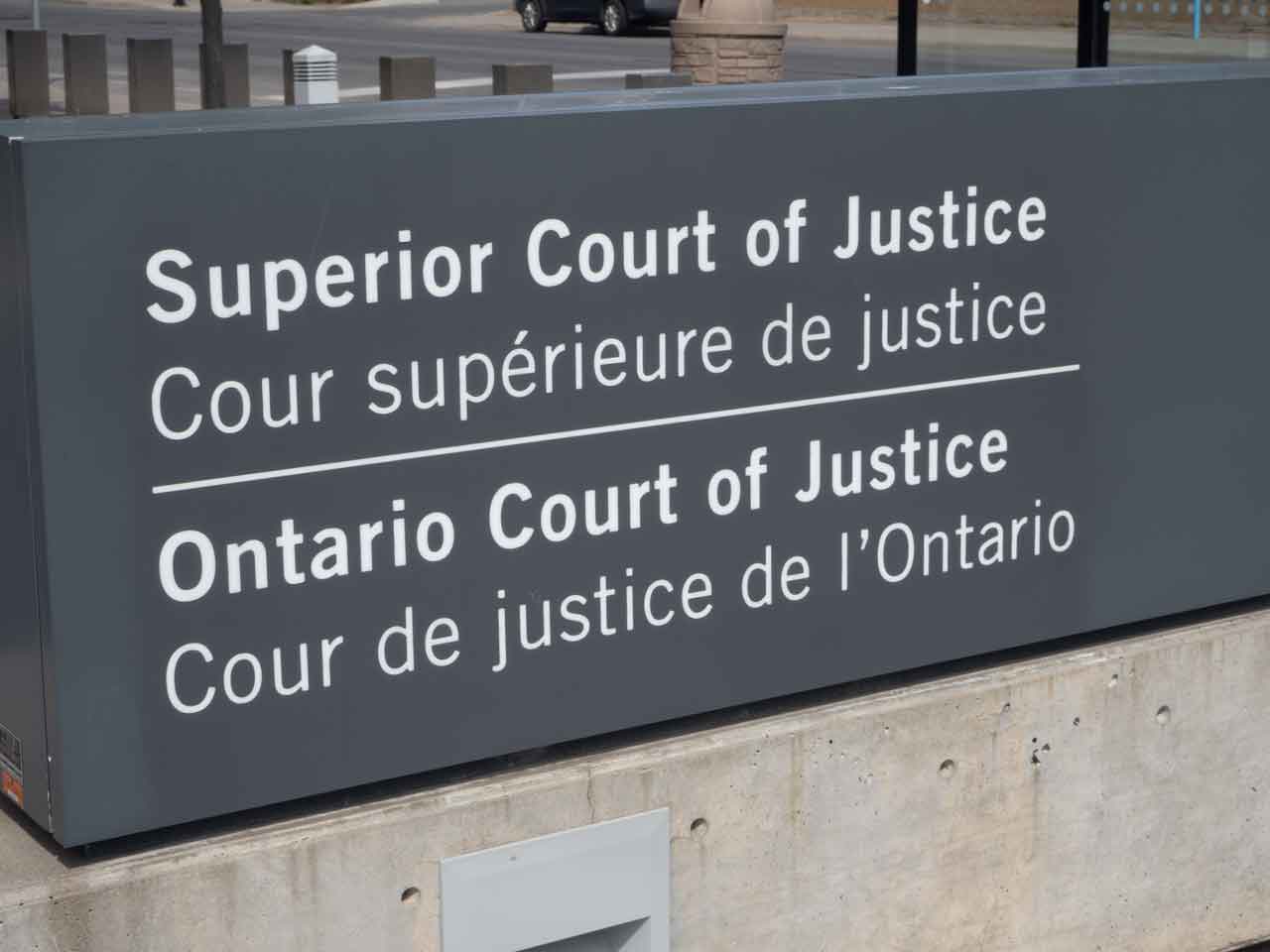
TORONTO – On July 15, 2025, several Ontario First Nations filed a Superior Court application seeking to strike down Ontario’s Bill 5 and Canada’s Bill C-5. Known collectively as “the 5s,” these laws fast-track massive resource and infrastructure projects—like Ring of Fire mining and major pipelines—by waiving critical environmental and cultural assessments and sidelining the very Nations whose lands and waters would be impacted.
“Not a Fight Against Development, but for Responsible Decision-Making”
Alderville First Nation Chief Taynar Simpson condemned the bills as “factless, thoughtless and reckless,” arguing they grant governments unchecked power to approve megaprojects without adequate safety or impact data. Oneida Nation of the Thames Chief Todd Cornelius emphasized that First Nations support development conducted “rightly and responsibly,” not at the expense of Treaty rights, environmental stewardship, or community consent.
Constitutional Grounds: Self-Determination and Environmental Safeguards
Both Bills would bypass laws governing environmental assessments, water use, endangered species, and cultural heritage protections. Attawapiskat First Nation Chief Sylvia Koostachin-Metatawabin warned that mining peatlands—globally critical carbon sinks—could exacerbate climate change, while Ginoogaming First Nation Chief Sheri Taylor decried using short-term trade pressures to justify stripping human rights and environmental safeguards.
A Call for Shared Futures, Not Closed-Door Deals
Apitipi Anicinapek Nation Chief June Black framed the challenge as essential to reconciling Crown–Indigenous relations: “We have the right to be part of decisions that shape our lands and ways of life. Bill 5 and Bill C-5 move us backward, not toward a shared future.” The court application demands that both laws be declared unconstitutional and struck down, restoring proper consultation and rigorous review for any major project on Indigenous territories.