U.S. president targets Canadian imports with new 35% tariff, cites fentanyl crisis and dairy trade concerns
THUNDER BAY – NATIONAL NEWS – July 10, 2025: U.S. President Donald Trump has reignited economic tensions with Canada, threatening to impose substantial new tariffs on Canadian imports effective August 1. Trump announced plans to introduce a blanket 35 per cent tariff on Canadian goods entering the United States, escalating an ongoing trade dispute that many had hoped was behind the two countries.
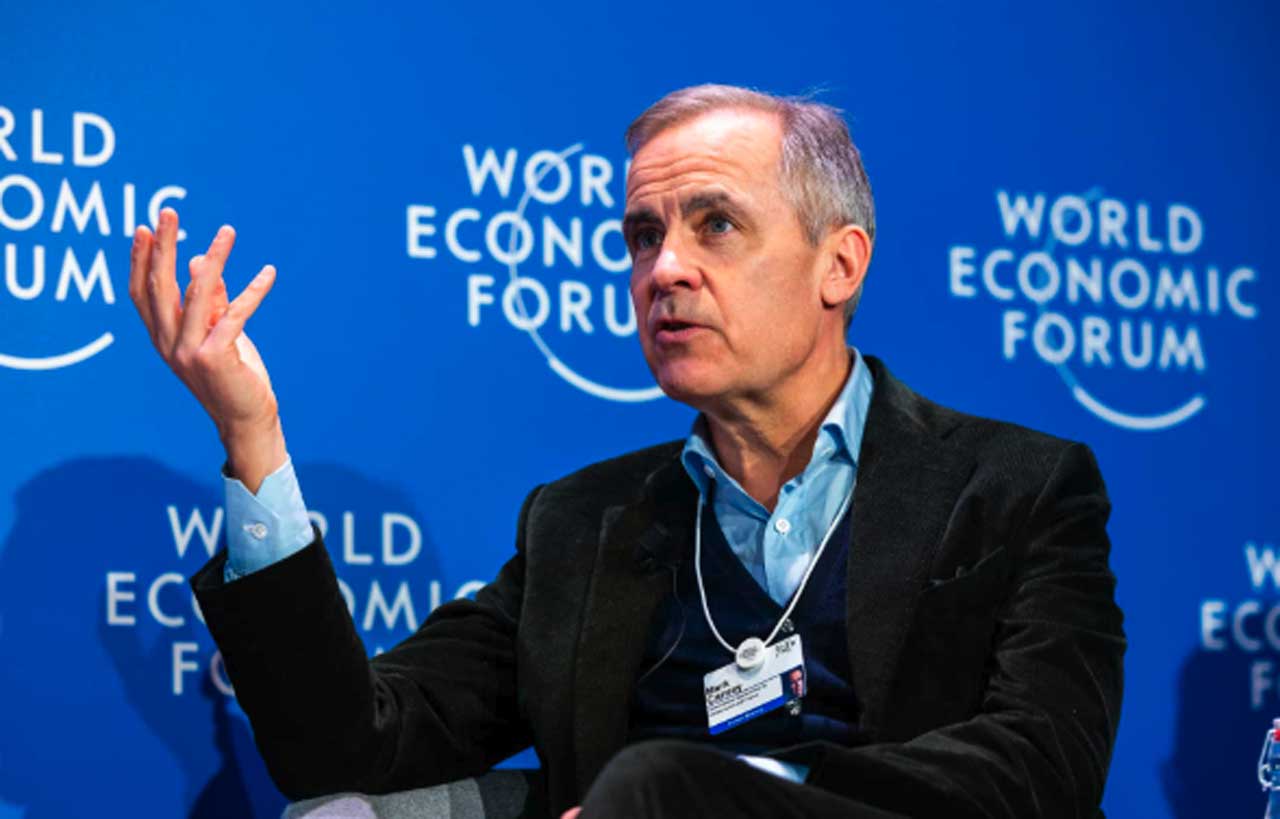
In a sharply-worded letter addressed to Canadian Prime Minister Mark Carney and publicly shared on Trump’s Truth Social platform Thursday night, the U.S. President issued a direct challenge: “If for any reason you decide to raise your tariffs, whatever the number you choose to raise them by will be added to the 35% that we charge.”
Trump justified this new round of tariffs by citing the ongoing fentanyl crisis in America, a problem he claims Canada has partially caused by allowing the drug to flow across the northern border. In his letter, Trump offered a potential tariff adjustment only if Canada makes substantial progress in stemming the flow of fentanyl.
However, data released in March by Canada’s recently appointed fentanyl czar—an office specifically created to respond to prior American tariff threats—indicated that U.S. border authorities seized less than 0.1 per cent of their total fentanyl supply at the Canada-U.S. border between 2022 and 2024. This data directly challenges Trump’s portrayal of Canada as a significant source of the deadly drug.
Carney Defends Canada’s Actions on Fentanyl and Trade
Prime Minister Mark Carney responded firmly late Thursday evening, stating clearly on social media that Canada has “steadfastly defended our workers and businesses” and that the country will remain committed to doing so as it navigates the threatened August 1 tariff deadline.
Carney further emphasized Canada’s commitment to addressing the fentanyl crisis: “Canada has made vital progress to stop the scourge of fentanyl in North America. We remain committed to working with the United States to protect lives and communities in both countries.”
The Prime Minister also made it clear that Canada is actively engaging other international partners to diversify trade and reduce reliance on the American market.
Trade Dispute Expands to Dairy, Pharmaceuticals, and Copper
Trump’s latest tariff threats extend beyond the fentanyl issue, reasserting longstanding U.S. grievances with Canada’s supply management system in the dairy sector, where he claims tariffs on U.S. dairy imports reach as high as 400 per cent. Trump’s letter called this practice “a major threat to our economy and our national security.”
Trump previously applied sector-specific tariffs on steel, aluminum, and automotive imports from Canada, with a new proposal to introduce a massive 50 per cent tariff on copper imports and a potential 200 per cent tariff on pharmaceuticals within the next year. These moves, announced earlier this week at a White House cabinet meeting, could significantly impact Canadian industry.
In 2023, Canada exported copper and copper-based products worth $9.3 billion, with over half destined for the U.S. market, according to Natural Resources Canada.
Canadian Leaders and Labour Groups Push Back
Reaction within Canada to Trump’s latest threats has been swift and strong. Pierre Poilievre, leader of Canada’s federal Conservative Party, called Trump’s tariff threats an “unjustified attack” that would harm both economies, urging Canadian unity and resolve in defending the national interest.
Unifor President Lana Payne characterized the move as “economic extortion,” insisting that Canadians must stand firm against bullying tactics. “Canada must use every bit of leverage we have,” Payne declared, adding, “Workers are counting on our government to defend their jobs. Concessions won’t stop a bully, but collective strength will.”
Northwestern Ontario Could Feel Impact
For regions like Northwestern Ontario, deeply intertwined with cross-border trade, this latest escalation poses significant concerns. Local industries, from resource-based sectors such as mining and forestry to manufacturing reliant on cross-border supply chains, could face serious disruptions. Increased tariffs on copper, steel, and other materials could impact local employment, exports, and regional economic stability.
Pierre Gratton, head of the Mining Association of Canada, expressed particular concern over copper tariffs, pointing out the paradox of Trump’s approach: “It’s going to hurt U.S. manufacturers, it’s going to hurt some of our mines. But it might inadvertently help Chinese smelters, because the U.S really doesn’t have any spare smelting capacity.”
A Deadline Looms with Uncertain Outcomes
Despite ongoing talks and a previously agreed deadline of July 21 to resolve trade and security issues, Trump’s announcement suggests a tumultuous path forward. As the August 1 tariff deadline looms, Canada braces for the impact of renewed U.S. protectionism, even as both nations continue seeking common ground in what has become a contentious international economic landscape.