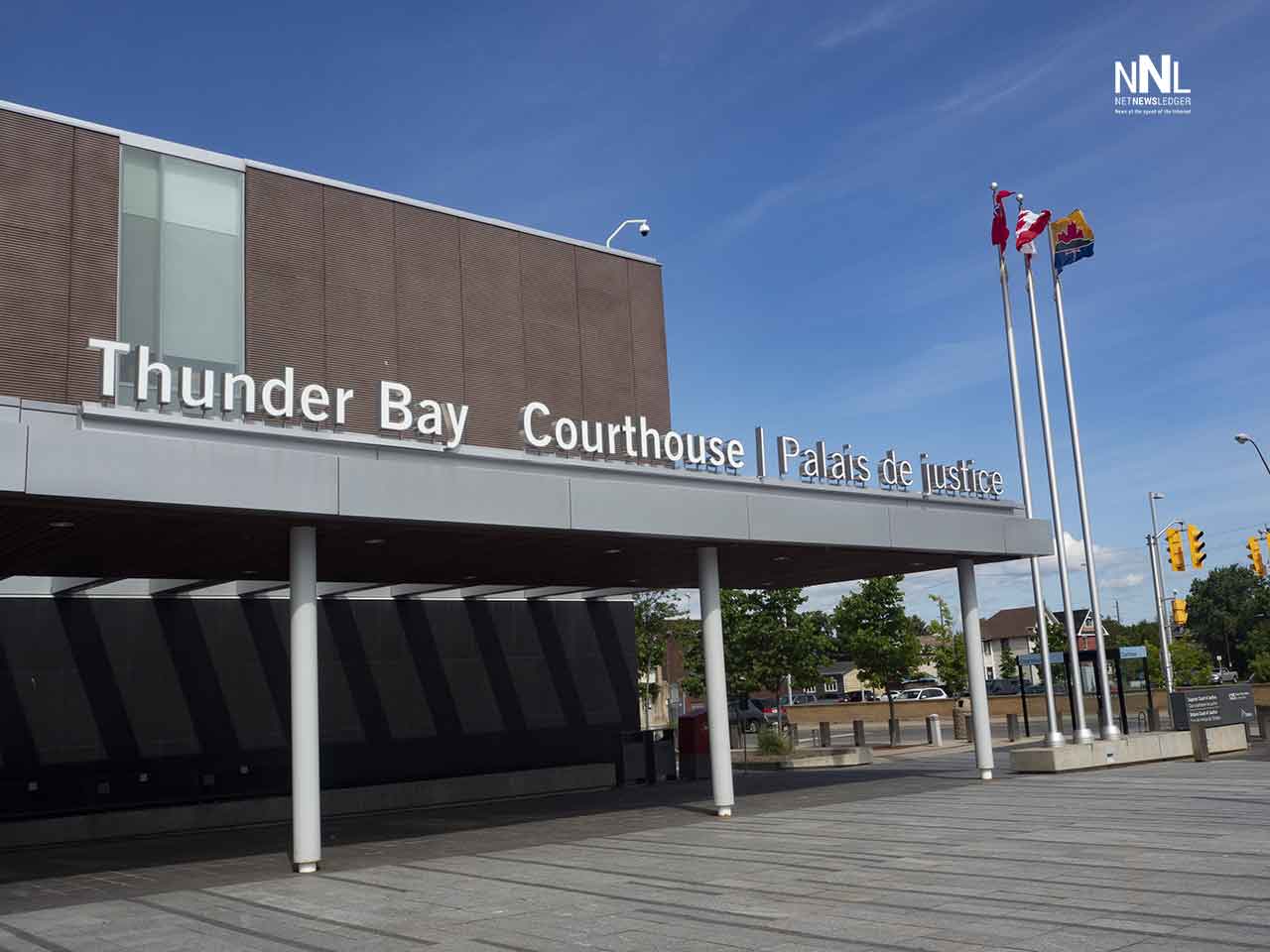
Thunder Bay Police Seize Suspected Cocaine, Fentanyl, Morphine and Cash in Limbrick Street Investigation
THUNDER BAY – NEWS – Thunder Bay Police Service report two Thunder Bay residents are facing drug-trafficking and proceeds-of-crime charges after officers searched a home and vehicle in the Limbrick Street area on April 28, 2026.
Police say that officers seized suspected crack cocaine, suspected fentanyl, morphine capsules, items associated with drug trafficking and more than $8,000 in Canadian cash.
The alleged controlled substances have an estimated street value of $81,600.
Investigation Led by Intelligence Unit
Police say the investigation was carried out by the Thunder Bay Police Service Intelligence Unit with assistance from the Break, Enter, and Armed Robbery Unit.
As a result, 31-year-old Justine Beeley and 43-year-old Jeffery McCarthy, both of Thunder Bay, have each been charged with:
Possession of a Schedule I substance for the purpose of trafficking — cocaine
Possession of a Schedule I substance for the purpose of trafficking — opioid
Possession of property obtained by crime over $5,000
Both accused were released from custody following their first court appearance and are scheduled to return to court at a later date, police said.
What the Charges Mean
The two drug-trafficking-related charges fall under the federal Controlled Drugs and Substances Act. Section 5(2) of the act prohibits possessing a controlled substance for the purpose of trafficking.
For Schedule I or II substances, a conviction can carry a maximum sentence of life imprisonment. Cocaine and morphine are listed in Schedule I, and Health Canada also identifies fentanyl as a controlled substance regulated under the act.
The property-related count is a Criminal Code charge. Section 354(1) covers possession of property or proceeds knowing they were obtained, directly or indirectly, through an indictable offence.
For property valued at more than $5,000, section 355 allows the Crown to proceed by indictment, with a maximum sentence of 10 years, or by summary conviction. For summary conviction offences where no other penalty is set, section 787 provides for a maximum fine of $5,000, imprisonment of up to two years less a day, or both.
Sentencing Context
Sentencing is determined by a judge after a conviction and depends on the facts proven in court, including the type and quantity of substance, the accused person’s role, any prior record, aggravating or mitigating factors, and whether there is a guilty plea.
Ontario sentencing summaries based on case law note that small-quantity crack cocaine trafficking cases have often ranged from six months to two years less a day, while larger commercial-level cocaine cases can result in multi-year penitentiary sentences.
Fentanyl-related trafficking is generally treated particularly seriously by courts because of the high risk of death in the unregulated drug supply.
Local Impact
The seizure is significant for Thunder Bay and Northwestern Ontario because the city functions as a regional service and transportation hub for many surrounding communities, including remote and road-access First Nations.
Allegations involving fentanyl, cocaine and morphine connect directly to broader public-safety and public-health concerns across the region, where policing, emergency medical response, treatment access and harm-reduction services are often stretched by distance and demand.
Police have not released further details about the investigation, including the precise quantities allegedly seized.
All charges remain allegations. Beeley and McCarthy are presumed innocent unless and until proven guilty in a court of law.