Water Street reconstruction slated for 2027-28 as Thunder Bay works through rough road season
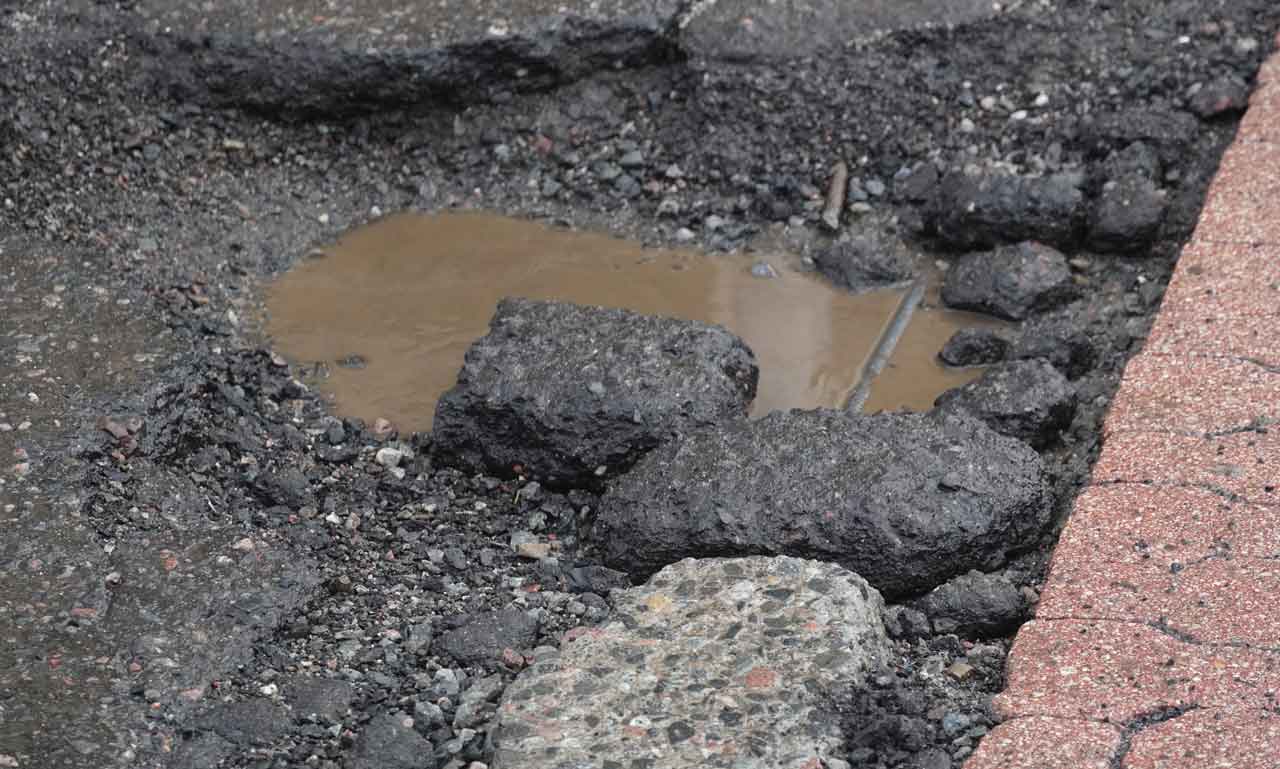
Thunder Bay – NEWS – The old adage in Thunder Bay is that there are two seasons, Winter and Construction Season. The winter weather over this past and often seemingly endless winter has been very hard on roads across the city. The freeze – thaw cycle has in effect busted up roads as meltwater gets into the roads freezes and creates potholes.
Thunder Bay drivers dealing with rough roads across the city are getting a clearer picture of when one of the worst stretches will see major work.
Water Street is now scheduled for full reconstruction over 2027 and 2028, while shorter-term patching and resurfacing work is planned elsewhere in 2026, including sections of Fort William Road.
The update matters for Thunder Bay residents and commuters because Water Street is a key route linking the north core, waterfront and downtown. It is also a reminder of the broader challenge facing the city as it tries to stretch limited infrastructure dollars across roads, transit, emergency services, parks, facilities and long-term growth.
Water Street work staged over two years
Under the current schedule, Water Street will be fully reconstructed in two phases.
The 2027 portion is planned from the roundabout to Red River Road. The 2028 portion is expected to continue from Red River Road to Bay Street and beyond.
The work is not slated for 2026, even though road conditions are already a concern, because Cumberland Street is scheduled for completion this summer and the city needs to maintain access for commuters. The Water Street project is also expected to unfold during the broader reconstruction of Marina Park, currently planned for 2026 through 2028.
Fort William Road to see patching and fresh pavement in 2026
While Water Street users will have to wait for full reconstruction, there is some shorter-term relief planned on other battered routes.
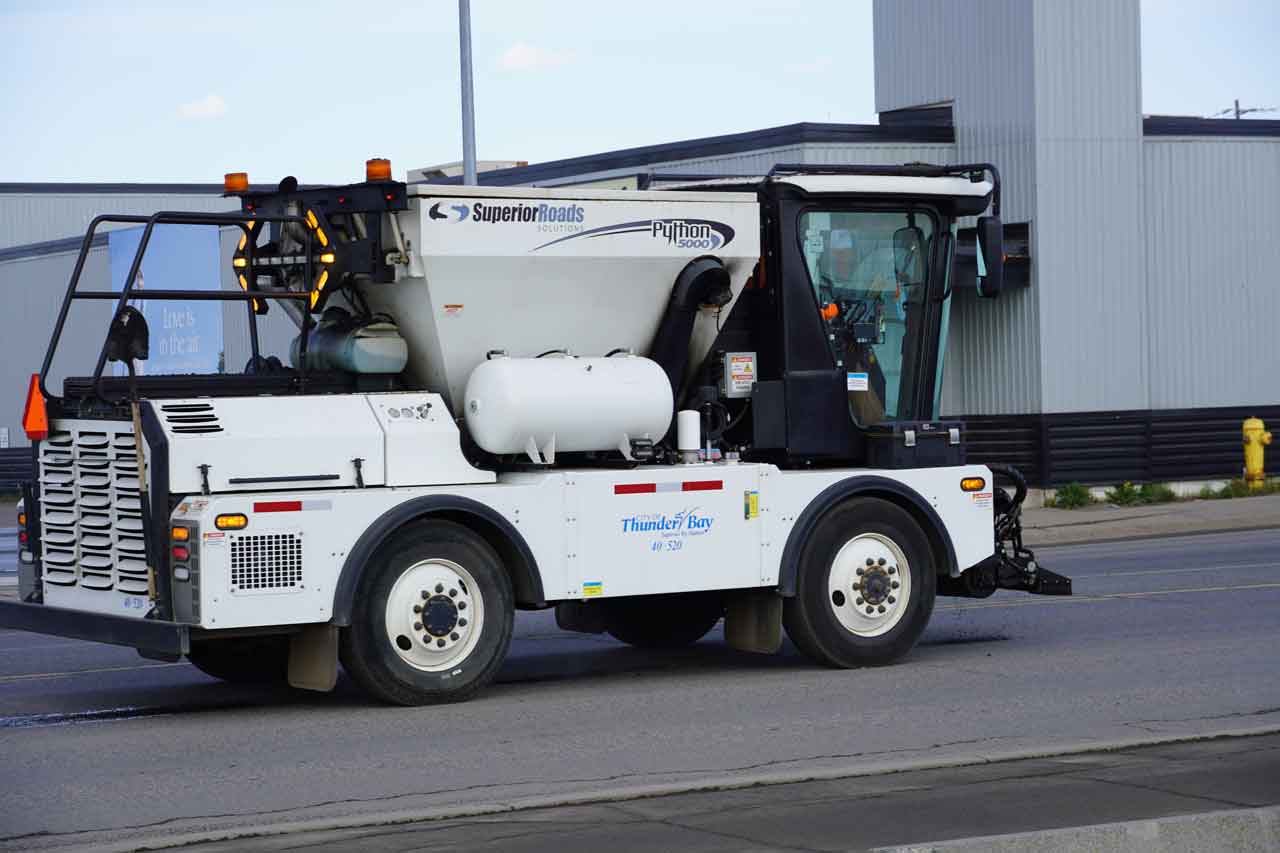
This year, sections of Fort William Road are expected to receive patch projects and fresh pavement aimed at improving conditions on a stretch many drivers currently describe as rough. Across the wider road network, more patching work is expected once the asphalt plant opens in May.
For motorists, that means the city’s annual road repair season should begin to pick up in the coming weeks, although many streets are likely to remain challenging until more extensive work can be completed.
A city balancing road repairs with many other priorities
The update also highlights the financial pressures behind Thunder Bay’s road conditions.
Thunder Bay’s current infrastructure gap is estimated at more than $33 million annually, with roads accounting for roughly one-third of that shortfall. That leaves the city trying to balance road rehabilitation with a wide range of other demands, including emergency services, parks, fleet replacement, public facilities, recreation, transit, long-term care, growth-related projects and risk management.
That budget pressure is not unique to Thunder Bay, but it is especially visible here because of the size of the road network, the city’s freeze-thaw cycles and the wear caused by heavy traffic on major corridors.
In Northwestern Ontario, climate and distance make infrastructure work both urgent and expensive, and that often forces municipalities to sequence projects over several years rather than fix every troubled road at once.
For now, drivers are being urged to take care
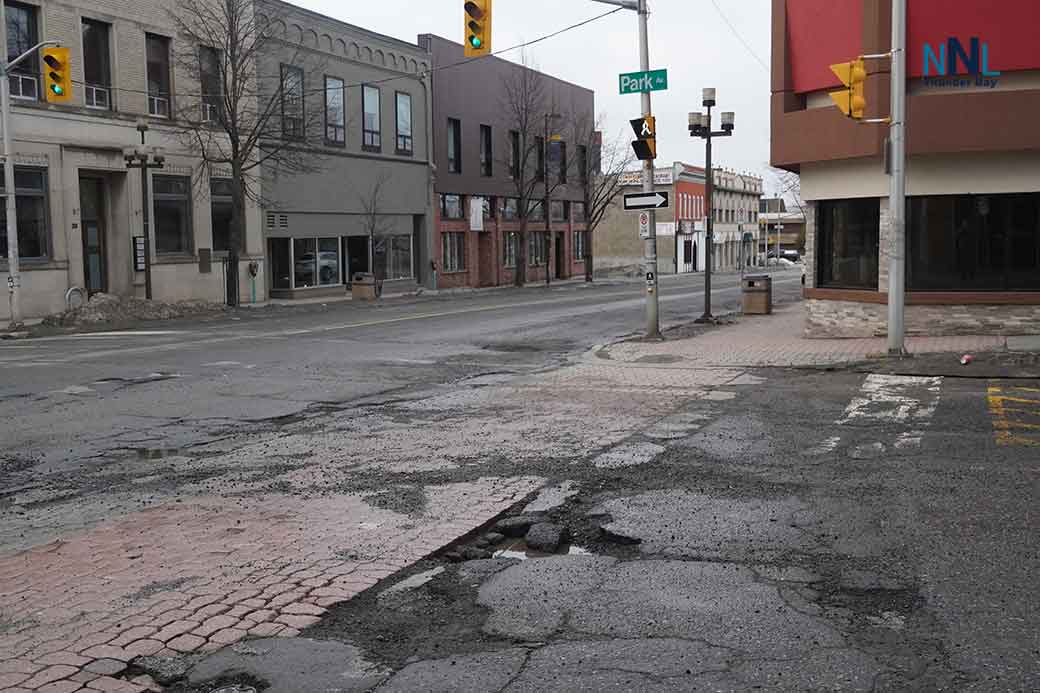
Until larger reconstruction projects move ahead and seasonal patching ramps up, the message for drivers is straightforward: use caution.
Road conditions remain rough in many parts of Thunder Bay, and drivers are being urged to slow down, watch for hazards and travel carefully while crews prepare for the 2026 construction season.
Water Street’s full rebuild may still be a year away, but for residents who use the corridor every day, the latest schedule at least offers a clearer sense of when more permanent relief is expected.