Medical adjournment delays Sylvie Hauth trial as Holly Walbourne case moves ahead separately
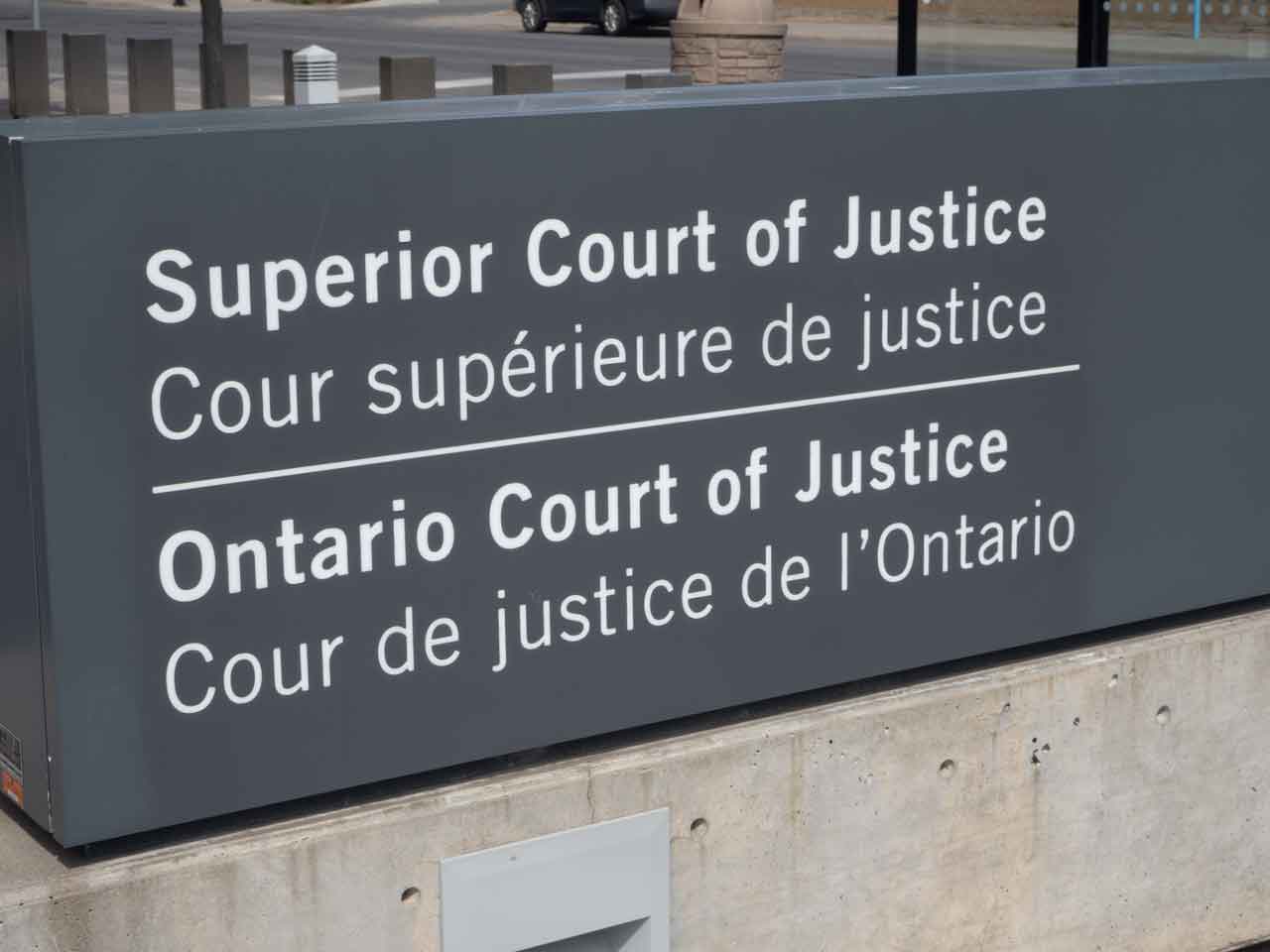
THUNDER BAY — The criminal trial of former Thunder Bay police chief Sylvie Hauth has been adjourned after defence counsel told a Toronto court that a serious medical issue had arisen with the former Chief. Justice Robert Goldstein granted the request, vacating Hauth’s April trial dates.
Former Thunder Bay Police Service lawyer Holly Walbourne is now scheduled to proceed on her own in Thunder Bay, beginning April 13.
For Thunder Bay, the case remains significant because it continues to test public confidence in police governance and oversight after years of scrutiny of the service and its leadership.
Former Chief to return to court May 5
Hauth had been expected to stand trial alongside Walbourne in a four-week judge-alone proceeding starting April 7, dates that were set last spring. With the adjournment now granted, Hauth is to return to court in Toronto on May 5, when new trial dates are expected to be addressed. Walbourne’s case, which had previously remained linked to Hauth’s after a severance application was denied, is now expected to proceed on its own for about three weeks in Thunder Bay.
Background on the charges against Hauth and Walbourne
The OPP laid charges in April 2024 after an investigation that began when the Ministry of the Attorney General asked provincial police in late 2021 to examine allegations of misconduct within the Thunder Bay Police Service.
Hauth was charged with one count of obstructing a public or peace officer, one count of breach of trust by a public officer and two counts of obstruction of justice. Walbourne was charged with one count of obstructing a public or peace officer, one count of breach of trust by a public officer and three counts of obstruction of justice.
Public background on what sits behind those charges has come largely from oversight documents rather than from tested court evidence. In its 2024 summary report, the Ontario Civilian Police Commission said the charges against Hauth appear to relate to her October 2021 reporting to the police board and to statements she later made in the OCPC investigation.
The same report said the charges against Walbourne appear to relate to that reporting, to allegations she made in January 2022 concerning then-deputy chief Ryan Hughes, and to statements made during OCPC and Toronto Police Service investigations. The report also said the alleged criminal misconduct was tied to communications with the board and oversight bodies, rather than to frontline policing in the community.
Earlier oversight findings put the case in wider context
The case lands in a city where policing has already been under exceptional scrutiny for years. In December 2018, the OCPC said the Thunder Bay Police Services Board’s repeated failures to address concerns of the Indigenous community constituted an emergency and appointed an administrator.
A 2022 administrator’s report also tied the service’s later turmoil to the broader legacy of the 2018 Broken Trust review and Senator Murray Sinclair’s investigation into board oversight. That history helps explain why criminal proceedings involving a former chief and former in-house counsel continue to draw close attention in Thunder Bay and across Northwestern Ontario, especially among Indigenous leaders and residents who have long pressed for accountability and reform.
Hauth was suspended in June 2022 after receiving a notice of hearing in a separate police misconduct process and resigned from the service in January 2023 before that matter could proceed. Walbourne left the Thunder Bay Police Service in April 2023 after serving as the force’s in-house lawyer for about five years.
What the Criminal Code charges mean
The charge of obstructing a public or peace officer is set out in section 129 of the Criminal Code. It covers wilfully obstructing an officer in the execution of duty and may proceed either by indictment, with a maximum penalty of two years’ imprisonment, or by summary conviction.
Breach of trust by a public officer is set out in section 122 and also may proceed summarily or by indictment, with a maximum of five years’ imprisonment on indictment. Obstruction of justice is covered by section 139.
Depending on the specific subsection alleged, the maximum penalty can be up to two years under section 139(1) or up to 10 years under section 139(2), with summary-conviction treatment also available in either case. Actual sentencing, if there were ever convictions, would depend on the precise count, the Crown’s election and the facts proven in court.
As with all criminal matters, both Hauth and Walbourne are presumed innocent unless and until proven guilty in court. None of the allegations against either accused has been proven.