By Peter Tullick
THUNDER BAY – VIEWPOINT – The recent decision by the United States to conduct airstrikes within Iran has revived a persistent question in American governance: to what extent can a president initiate military action without the explicit approval of Congress?
The operation, carried out in coordination with Israel, targeted elements of Iran’s military infrastructure along with senior leadership figures.
Administration officials described the strikes as a necessary response to what they characterized as an imminent threat involving Iranian missile capabilities and the continued development of nuclear weapons technology. In addition to addressing those immediate concerns, the action was also framed as part of a broader effort to weaken Iran’s governing structure.
Such explanations, however, do not resolve the legal issues raised by the decision. The U.S. Constitution assigns the authority to declare war to Congress. Over the past several decades that responsibility has gradually shifted in practice, as successive presidents have ordered military operations without formal declarations. The Iran strikes continue that pattern, reflecting the increasingly expansive interpretation of executive war powers.
Defenders of this approach argue that modern security threats demand rapid responses that legislative deliberation cannot always accommodate. Critics respond that the constitutional requirement for congressional authorization was designed precisely to ensure public accountability when the nation considers entering armed conflict. Military interventions carry consequences that extend well beyond the battlefield, including the loss of life, regional instability, and the possibility of escalation into wider wars.
Questions about the strategic logic of the operation further complicate the picture. Only months earlier, officials in Washington had suggested that previous attacks had significantly damaged Iran’s nuclear infrastructure. If those claims were accurate, the need for a new bombing campaign becomes difficult to explain. If they were not, then earlier assurances about the effectiveness of military action were overstated. In either case, the episode raises concerns about the reliability of the assessments guiding the decision to strike again.
The long-term goals of the campaign are equally uncertain. Statements from American officials imply that weakening—or even replacing—Iran’s leadership may be among the intended outcomes. Yet recent history offers little evidence that externally driven regime change reliably produces political stability. In countries where political opposition has been suppressed for decades, the removal of existing authority structures often leads not to orderly reform but to institutional collapse and internal conflict.
The broader context of American foreign policy adds another dimension to the debate. The Iran operation appears to represent the second instance in recent months in which the United States has used military force to remove a foreign dictator from power. Each intervention has been justified as a necessary step toward regional security. Nevertheless, the record of similar efforts over the past generation suggests that the aftermath of such actions is frequently far more complex than the initial objectives imply.
Geography and economics also shape the international perception of the campaign. Iran possesses vast oil reserves and occupies a position adjacent to the Strait of Hormuz, a narrow maritime corridor through which a substantial share of the world’s petroleum supply moves each day. While energy considerations do not necessarily determine military policy, the presence of major oil resources in the region inevitably influences how strategic decisions are interpreted by other nations.
Financial markets responded quickly to the escalation. Oil prices rose amid concerns that further confrontation could threaten shipping routes or energy infrastructure. Any disruption near the Strait of Hormuz has the potential to affect global supply chains, with consequences extending far beyond the Middle East.
None of these concerns alter the reality that Iran’s government has long been associated with repression at home and destabilizing activity abroad. The central policy question is whether military force is the most effective instrument for addressing those challenges. Diplomatic approaches have previously been attempted, most notably through the nuclear agreement negotiated during the administration of Barack Obama. That arrangement limited Iran’s nuclear program in exchange for sanctions relief and international monitoring. Although controversial, it created a structured framework for managing the issue without direct military confrontation.
Following the collapse of that agreement, Washington has increasingly relied on coercive pressure to pursue its objectives. Whether this strategy ultimately strengthens regional security or deepens instability remains uncertain.
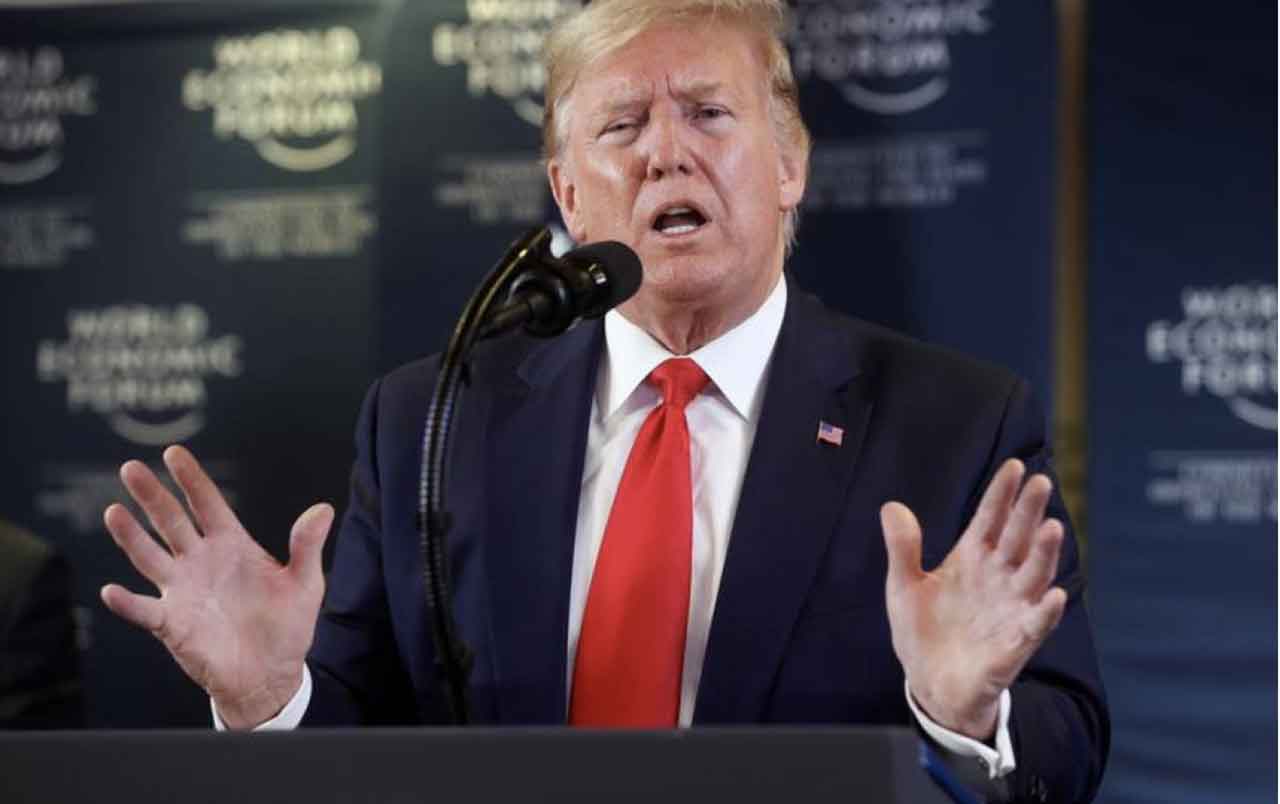
What is clear is that the decision to initiate the strikes rested primarily with the president. Regardless of one’s assessment of Iran’s leadership, the precedent of unilateral military action deserves careful examination. The gradual concentration of war-making authority in the executive branch raises fundamental questions about how democratic systems determine when force should be used.
Military interventions often begin with confidence in their necessity and clarity about their objectives. Their consequences, however, frequently unfold in ways that extend far beyond the circumstances that justified them at the outset.