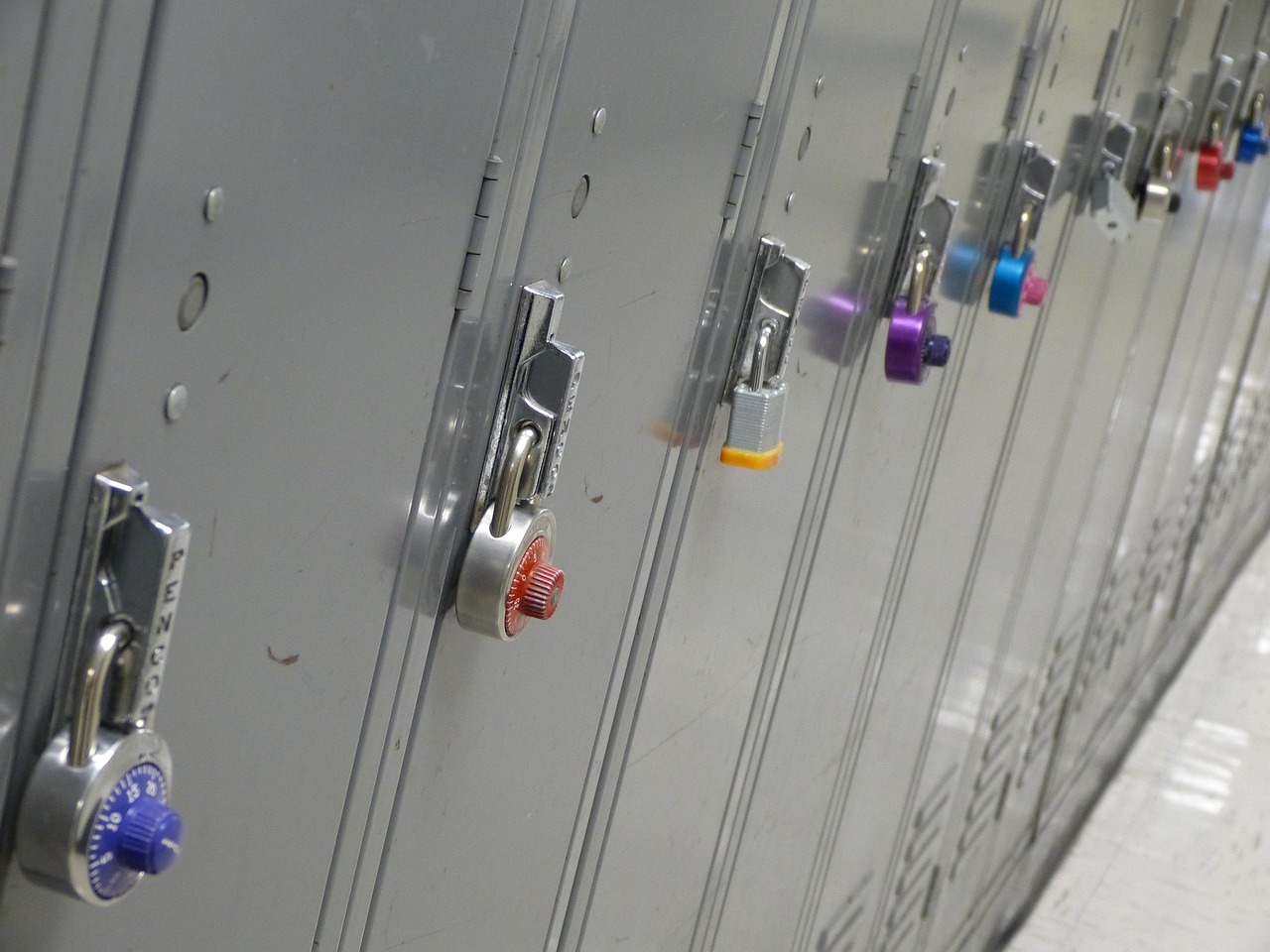
Lockers seldom feature in any discussion on education. They sit silently in the corridors and are sometimes not even noticed unless one is jammed or absent. Most people view them as purely functional objects. However, what lockers bring to school life extends beyond holding books and bags. In reality, lockers help define student movement, thinking, and coping during the school day. Their influence on organization and well-being is significant.
How Lockers Support Daily Organization
School days move quickly. Classes move, days are different and demands are high. Lockers help students manage this pace. Having a designated place to keep the materials, students will be able to plan their day more efficiently. They take what they need, putting away what they don’t.
This routine reduces unnecessary clutter and confusion. Instead of searching through overloaded backpacks, students move with purpose. Transitions become seamless. Time between classes is utilized more effectively, even by a minute or two. These minor efficiencies accumulate over time.
Organization also supports accountability. Lockers motivate students to take care of their items. This sense of order tends to result in an improved readiness and less classroom interruptions. When materials are managed well, learning feels less chaotic.
The Psychological Benefits of Personal Storage
Personal space plays a quiet role in emotional well-being. In shared environments like schools, lockers offer students a rare sense of ownership. Even a narrow metal door can represent stability. It is familiar and theirs’.
That familiarity matters. Going to the same locker every day is routine, which brings comfort. This predictability may relieve anxiety in younger learners or students that get easily overstimulated. There is also relief in being able to reset. A locker will help students take a break to regain concentration. These short periods of control will render strenuous days easier.
Lockers and Physical Well-Being
The aspect of physical comfort is frequently disregarded in terms of student performance. Yet walks with heavy bags are tiresome. Lockers help in this situation by helping the students spread out the load throughout the day rather than bearing it all at once.
Light loads will facilitate a healthy posture and reduce fatigue. Students find class changes more comfortable. In class, they sit with less tension. Over time, these physical benefits can influence attention and endurance.
Locker placement also affects hallway safety. When students are not weighed down, movement becomes more fluid, congestion decreases. Class transition stress is minimized, making the overall climate more relaxed.
Design Choices and Institutional Perspectives
Locker systems have changed to suit the contemporary requirements. Durability, ventilation, and efficient use of space are now primary concerns in schools. Many collaborate with a metal locker supplier to guarantee safety and ultimate dependability.
These decisions are seldom made alone. Greater debates concerning the learning settings tend to incorporate a teachers union who demands conditions that favor both the students and the staff. Their perspective highlights how physical spaces affect daily behavior and classroom readiness.
Equally important are insights from local teachers. They witness first hand how students are dealing with their environment. Their feedback on locker location, access, and utilization patterns can assist the administrators to make sound decisions that resonate with practical routines and not idealized plans.
A Subtle But Lasting Influence
Lockers might not be captured in lesson plans or report cards, and yet they influence the school experience in a silent way. They aid in organization, relieve mental burden, and enhance physical comfort. They assist students in getting around their day with greater ease and less tension.
Endnote
When schools become aware of the importance of these everyday structures, they will be making a significant step in aiding the well-being of students. What can be improved sometimes are not the radical changes, but careful consideration of the details that the students depend on day in day out.