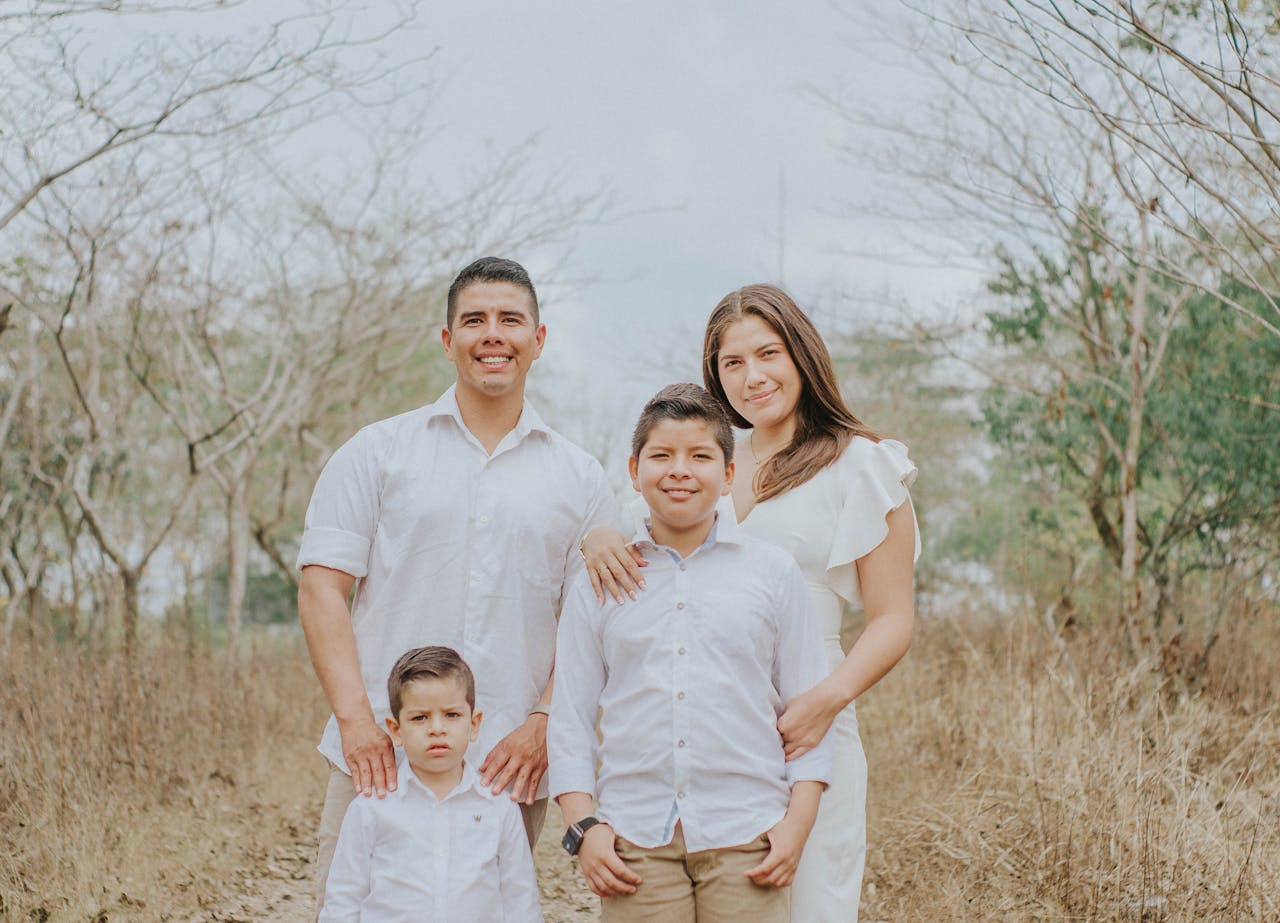
Nearly one in five Texans speaks Spanish at home. Many families struggle to find doctors who understand their language and cultural health practices. This gap affects everything from routine checkups to managing chronic conditions. Small problems snowball when communication breaks down between patients and providers.
Texas has become a testing ground for a different approach to family medicine. Clinics focused on serving Hispanic communities prove that language access and cultural understanding make a real difference. Providing health care to Hispanic families living in the US takes more than translation services.
It takes providers who get dietary traditions, how families make decisions together, and health concerns that pop up more in these communities. That understanding shapes everything from how appointments are scheduled to how treatment plans get explained.
Family-Centered Healthcare Models
Most medical offices separate family members into different departments and appointment slots. Your parent visits one doctor for blood pressure. Kids see another provider for vaccines. Grandparents manage diabetes with a third specialist clear on the other side of town. This fragmented system creates scheduling nightmares for busy families already juggling work and health appointments.
Treating Multiple Generations Together
Family-centered clinics work differently by treating everyone under one roof. Providers share patient information and coordinate treatment plans instead of working in silos. Your grandmother with diabetes gets care while your daughter gets a wellness exam. The kids get their school vaccinations at the same time. This saves hours of running around and helps doctors spot health patterns that run in families.
The model fits Hispanic families well since multiple generations often live together. Health decisions get made as a group rather than individually. Doctors who understand this include the right people in treatment conversations. Your teenager managing asthma might need you involved in medication decisions. Your elderly parent might want their adult children there when discussing surgery options.
Language and Cultural Barriers
Medical jargon confuses most patients. Language barriers make healthcare communication nearly impossible. The Agency for Healthcare Research and Quality has documented that patients with limited English proficiency face higher rates of medical errors, and their research shows these patients leave appointments less likely to understand their diagnosis or medication instructions.
More Than Simple Translation
Bilingual medical staff solve problems that go way beyond translation. They understand cultural attitudes about illness and pain that might seem foreign to other providers. Some patients hesitate to question doctors or admit confusion. Cultural norms around respecting authority figures create these patterns. Providers who get this recognize the signs and adjust how they communicate.
A doctor familiar with traditional Hispanic diets suggests realistic modifications for diabetic patients. They skip the generic meal plan that ignores how families eat. They work with patients to adjust portion sizes and recommend different cooking methods. The flavors families love stay intact. This leads to better results than diet plans that ignore Sunday dinners and family traditions.
Preventive Care Benefits
Many Hispanic families seek medical care only when someone falls seriously ill. Cost concerns play a role. Limited health insurance creates barriers. Cultural attitudes about when to see a doctor factor in too. Emergency rooms end up becoming the main source of care for conditions that regular checkups could prevent.
Catching Problems Early
Preventive care catches problems when they’re easier and cheaper to treat. The Centers for Disease Control and Prevention reports that chronic diseases cause seven in ten deaths in America, and Hispanic communities face disproportionate rates of diabetes, hypertension, and obesity. Regular medical care can prevent or manage most of these conditions.
Preventive services cover several areas:
- Annual physicals catch high blood pressure before it causes stroke or heart attack
- Regular blood work spots prediabetes while lifestyle changes can still reverse it
- Vaccination schedules protect children and adults from serious diseases
- Cancer screenings find problems when treatment has the best shot at success
Preventive Care Programs
Clinics serving Hispanic communities build their services around prevention. They offer affordable wellness visits that fit family budgets better than emergency care. Chronic disease management programs help patients stay healthy long term. Staff teach patients about small changes that prevent big problems down the road. They schedule follow up visits before conditions turn into emergencies requiring hospital stays.
Full Service Healthcare Facilities
Healthcare fragmentation is a well-documented problem in American medicine, and hits working families the hardest. You lose wages taking time off for multiple appointments at different locations. Transportation becomes a puzzle when specialist offices scatter across town. Finding childcare for each visit adds expense that tight budgets can’t handle.
Services Under One Roof
Comprehensive clinics fix these barriers by centralizing everything. You complete lab work, see a doctor, and fill prescriptions in one visit. No more three separate trips across town eating up your whole day. These facilities provide general medicine, gynecology, urgent care, and chronic disease management. They also offer cardiovascular monitoring, allergy testing, and skin evaluations all in the same building.
This convenience helps you stay on top of health instead of ignoring symptoms. A mother brings her child for a sick visit and mentions her own health concern. A worker stops by during lunch for blood pressure monitoring without burning half a day off. No lost wages. No complicated scheduling headaches.
Early Detection Programs
Having comprehensive services in one place encourages regular health monitoring. Blood pressure checks reveal hypertension that needs medication. Diabetes screenings catch problems before they damage organs. Thyroid tests explain unexplained weight changes or fatigue. Patients stop waiting until symptoms become urgent or unbearable.

Choosing Your Healthcare Provider
Selecting a healthcare provider goes beyond checking insurance networks and office hours. Think about whether providers understand your cultural background and language needs. Look for clinics that treat healthcare as a partnership instead of rushing through appointments like an assembly line.
The right provider listens to concerns and explains options clearly. No drowning in medical jargon that nobody understands. They respect family involvement in medical decisions. They don’t make you feel rushed when asking questions. Location plays a big role too since a clinic near home or work makes keeping appointments way easier.
Many families get their best recommendations from friends and community members. Personal experiences reveal how providers communicate and whether staff treat patients with genuine respect. Online reviews offer additional perspective. Balance them against recommendations from people you trust who understand your needs.