NAPS says warrant followed an investigation into suspected drug trafficking activity
BEARSKIN LAKE FIRST NATION — Two people were arrested and a quantity of suspected cocaine and crack cocaine was seized after Nishnawbe Aski Police Service (NAPS) officers executed a search warrant at a residence on Bridge Road on Saturday, February 7.
NAPS says the warrant was obtained as part of an ongoing investigation into alleged drug trafficking in the community. Officers from the NAPS Intelligence Unit and Emergency Response Team carried out the search with assistance from frontline members based in Bearskin Lake.
Cash, suspected drugs, and “trafficking paraphernalia” seized
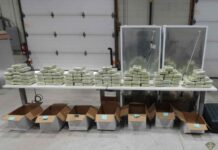
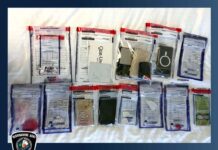
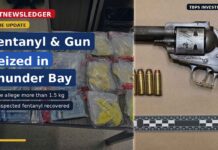
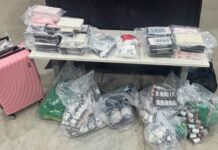
Police report they seized suspected crack cocaine, cocaine, cash, and items consistent with drug trafficking. NAPS estimates the cash seized at about $15,000, and the estimated street value of the drugs at nearly $30,000.
Charges laid
A 35-year-old man and a 34-year-old woman, both from Bearskin Lake First Nation, are each charged with:
-
Possession of cocaine for the purpose of trafficking
-
Possession of property obtained by crime over $5,000
NAPS says both suspects were released with conditions and future court appearance dates. Police add the names of the accused are being withheld until the charges have been formally sworn before the courts.
The allegations have not been proven in court. The accused are presumed innocent.
What the charges mean and potential penalties on conviction
Possession of cocaine for the purpose of trafficking (CDSA)
This is a federal drug offence under the Controlled Drugs and Substances Act (CDSA). Police must typically prove the accused possessed the substance and did so for the purpose of trafficking. Under the CDSA, “traffic” is broadly defined and includes actions such as selling, giving, transferring, transporting, sending, or delivering a controlled substance.
Because cocaine is listed in Schedule I of the CDSA, the offence is indictable and carries a maximum penalty of life imprisonment.
What a judge can consider at sentencing: drug type and quantity, the role of the accused, evidence of commercial trafficking (scales, packaging, score sheets), community impact, prior record, and whether there were aggravating factors.
Possession of property obtained by crime over $5,000 (Criminal Code)
This charge relates to allegedly possessing property knowing it was obtained by crime (often applied to cash or valuables believed to be proceeds of unlawful activity).
Where the value is more than $5,000, the Criminal Code provides:
-
Up to 10 years’ imprisonment if prosecuted by indictment, or
-
The offence can also proceed by summary conviction (penalties depend on how the Crown proceeds and the circumstances).
Other possible court orders
If there is a conviction, courts may also consider probation and ancillary orders. In drug cases, the Crown may also seek forfeiture of offence-related property through court processes set out in the CDSA.