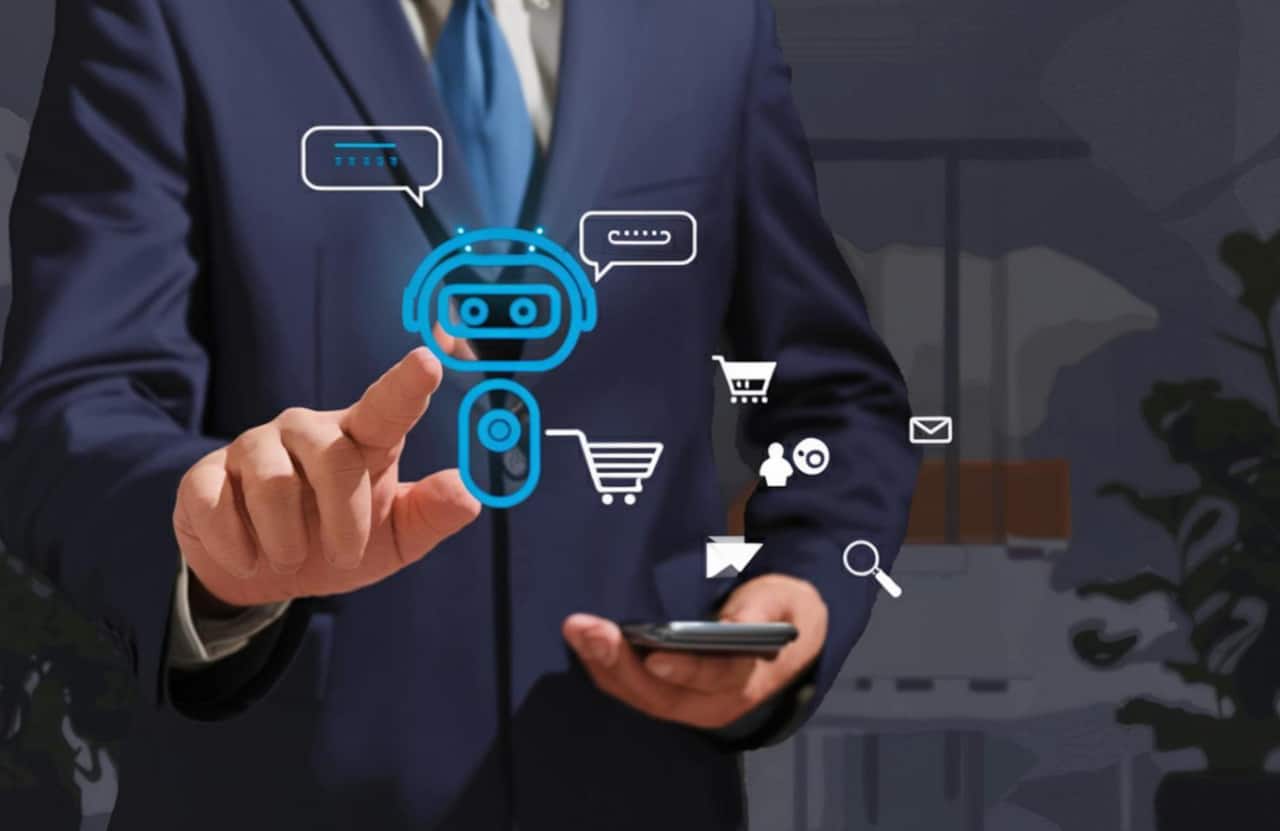
Customer expectations have changed dramatically in the past decade. Fast responses, 24/7 availability, and personalized service are no longer seen as perks, they are increasingly viewed as the standard. For small businesses, meeting these expectations can be challenging, especially with limited staff and tight budgets. As a result, many are exploring new technologies to keep up. Solutions like ElevenLabs and other AI-powered answering and communication tools are becoming part of how smaller firms manage inquiries, bookings, and support without dramatically increasing overhead.
This shift is not about replacing the human touch that small businesses are known for. Instead, it is about using technology to support it. AI is helping entrepreneurs stay responsive in a marketplace where speed and accessibility matter more than ever.
The New Customer Mindset
Today’s customers are accustomed to instant service. Large companies have set the tone with live chat, rapid email replies, and around-the-clock call centers. When customers interact with a small business, they often carry the same expectations.
A missed call or delayed reply can mean a lost opportunity. Many consumers will simply move on to the next provider if they cannot get timely information. This creates pressure for small businesses that may only have a handful of employees juggling multiple roles.
In this environment, responsiveness is closely tied to credibility. A business that answers quickly is often perceived as more reliable and professional.
Why Small Businesses Feel the Strain
Unlike large corporations, small businesses typically operate with lean teams. Owners and staff may handle sales, operations, marketing, and customer service all at once. Adding full-time support staff is not always financially realistic.
There are also practical limits. A local service provider, retailer, or clinic cannot answer calls while serving customers in person. After-hours inquiries are another challenge. Yet customers increasingly expect businesses to be reachable at any time.
This gap between expectations and capacity is where AI tools are gaining traction.
How AI Is Stepping In
AI-powered answering services and virtual agents can handle routine interactions that would otherwise consume valuable time. They can answer common questions, provide basic information, route calls, schedule appointments, and take messages.
For example, a small auto repair shop might use AI to answer questions about hours, services, or booking availability. A real estate office might rely on automation to capture leads after hours. A clinic might use it to confirm appointments or share directions.
These systems do not eliminate human involvement. Instead, they filter and organize inquiries so staff can focus on more complex or high-value interactions.
The Appeal of 24/7 Availability
One major advantage of AI tools is round-the-clock coverage. Small businesses cannot realistically staff phones or chat lines at all hours, but AI can remain active.
This matters because many customers reach out outside traditional business hours. People often research services in the evening or on weekends. If a business can respond immediately, even with automated assistance, it stays in the running.
Being “always available” no longer requires a large team. For many small firms, this levels the playing field with bigger competitors.
Cost Versus Value
Adopting new technology always raises cost questions. However, many small business owners find that AI tools are more affordable than hiring additional staff, especially when considering salaries, training, and turnover.
The value is not just in savings. It is also in capturing opportunities that might otherwise be missed. A single saved lead or booking can justify the investment.
Still, thoughtful implementation matters. Not every business needs advanced automation, and poorly configured systems can frustrate customers. The goal is to enhance service, not complicate it.
Maintaining the Human Touch
Image by Freepik
One concern among small business owners is that automation could make interactions feel impersonal. After all, personal service is often a key differentiator for local businesses.
The most successful approaches use AI for first-line support while preserving human connection where it counts. For instance, AI can handle initial inquiries and then pass qualified leads to a real person. It can gather details so the human conversation is more informed and efficient.
Customers generally appreciate fast, accurate answers. When automation is transparent and helpful, it does not necessarily feel cold, it feels convenient.
A Broader Trend Toward Automation
Small business adoption of AI reflects a larger shift in the economy. Automation is increasingly part of how organizations manage workloads and productivity. According to research and analysis from McKinsey & Company, many routine business activities across industries have the potential to be automated, allowing workers to focus on tasks that require judgment and creativity.
For small businesses, this can be empowering rather than threatening. Automation can reduce burnout, improve consistency, and free up time for growth-oriented work.
Practical Considerations Before Adopting AI
Before adopting AI tools, small businesses benefit from asking a few practical questions:
What types of inquiries are most common?
When do missed calls or delays usually happen?
Where would faster responses make the biggest impact?
How comfortable are customers with digital interaction?
Starting small often works best. A pilot phase can reveal what works and what needs adjustment. Clear messaging also helps customers understand when they are interacting with an automated system.
Looking Ahead
Customer expectations are unlikely to slow down. If anything, they will continue to rise as technology advances. Small businesses that adapt thoughtfully can stay competitive without losing their identity.
AI will not replace the relationships that local businesses build with their communities. But it can support those relationships by making service more reliable and accessible.
Small businesses have always been known for resilience and adaptability. Turning to AI-powered tools is simply the latest example of that spirit. By using technology to handle routine demands, owners and staff can focus on what they do best, serving customers, building trust, and growing their businesses.
In a world where responsiveness shapes reputation, smart use of AI can help small enterprises meet modern expectations while preserving the personal touch that sets them apart.