Second fatal incident this month as immigration enforcement ramps up
MINNEAPOLIS — U.S. federal agents shot and killed a man in Minneapolis on Saturday, according to local and federal officials, marking the second fatal shooting involving federal agents in the city this month amid a surge in immigration enforcement.
The U.S. Department of Homeland Security reports that Border Patrol agents fired in self-defence after a man approached them with a handgun and two magazines.
Minneapolis Police Chief Brian O’Hara said the man was a 37-year-old resident believed to be a U.S. citizen, and described him as a lawful gun owner with no criminal record.
Volatile scene, videos circulate, and crowd-control tactics criticized
Video of the incident circulated online, and officials said the situation around the scene became volatile, with federal agents later using crowd-control measures as onlookers gathered.
The Minneapolis Institute of Art has closed for the day due to safety concerns.
Mayor, governor, and senators call for federal operation to end
Minneapolis Mayor Jacob Frey called for an immediate end to the Trump administration’s immigration enforcement operation in Minnesota.
The state’s governor and two U.S. senators have also urged federal agents to leave. A White House official stated that President Trump had been briefed on the shooting.
Treaty #3 advisory connects to wider concerns for Indigenous travellers
The shooting is unfolding as Indigenous leadership in Northwestern Ontario and Treaty #3 territory is raising fresh concerns about travel in the United States.
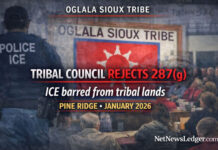
Grand Council Treaty #3 has advised members who live in, travel to, or transit through the U.S. to take added precautions, citing reports that some First Nation citizens have faced increased scrutiny or enforcement actions from U.S. Immigration and Customs Enforcement (ICE). The Grand Council is urging travellers to carry valid identification—such as a Status Card and/or Canadian passport—and to ensure documents are current before travelling.
The Assembly of First Nations has also warned that Indigenous people may face heightened risk of negative encounters while crossing into the U.S. amid stepped-up enforcement activity.
Why it matters in Northwestern Ontario
For many residents across Northwestern Ontario—including Treaty #3 citizens—Minnesota is a common travel corridor and destination.
With heightened enforcement activity, large protests, and increased tension in Minneapolis, travellers may want to plan for added delays, keep documents accessible, and stay alert to evolving conditions on the ground—particularly when transiting major hubs.