Seasonal weather rarely feels dramatic when it starts. A cold night, a long rain, a sudden thaw. Yet for a home’s plumbing, those shifts matter every day. Pipes react to temperature. Soil moves. Water pressure changes. What begins outdoors often ends in a basement, a wall cavity, or a utility room. Understanding these patterns helps homeowners spot risks early and avoid damage that usually appears without warning. Preventive steps matter most before problems surface, including proper drainage planning, routine inspections, and sump pump installation Toronto when groundwater or seasonal flooding is a concern.
Winter Cold and Frozen Pipes
A sharp freeze does more than lower the thermostat. When water inside a pipe drops below 0°C, it expands by about 9 percent. That expansion pushes outward against copper, PEX, or steel. The pipe rarely bursts at the coldest moment. It usually fails later, when ice melts and pressure returns.
Picture a January morning. The house is quiet. Overnight, a section of pipe near an exterior wall froze. By noon, sunlight warms the siding. Ice softens. Water flows again. A split the width of a hair opens, releasing several liters per minute behind drywall. Many insurance claims trace back to this exact sequence.
Common high-risk locations include:
- Unheated basements and crawl spaces
- Garages with plumbing lines
- Exterior walls with poor insulation
- Hose bibs left connected to garden hoses
Simple habits reduce the risk. Keep interior temperatures above 12°C. Insulate exposed lines with foam sleeves. Let faucets drip during extreme cold. These steps cost little compared to repairing water-soaked framing and flooring.
Spring Thaw and Groundwater Pressure
Spring feels like relief, but plumbing sees it as a stress test. Snowmelt and seasonal rain raise groundwater levels. Soil around foundations becomes saturated and heavy. Hydrostatic pressure builds against basement walls and slabs. Water looks for the easiest path inward.
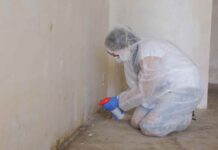
During this period, many homeowners notice damp concrete, musty smells, or water near floor drains. In areas with high water tables, sump systems play a central role in prevention. Proper drainage and sealed cracks help manage groundwater before pressure builds.
Spring-related plumbing issues often show up as:
- Slow drains due to debris washed into sewer lines
- Backed-up floor drains during heavy rain
- Seepage through hairline foundation cracks
Ignoring early signs leads to repeated wetting cycles. Over time, that moisture weakens concrete and corrodes metal components.
Summer Heat and Water Demand
Heat changes how plumbing works in quieter ways. As temperatures rise, household water use climbs. Lawns need irrigation. Pools get filled. Showers run longer. Municipal supply systems respond with higher flow rates, which can increase pressure inside older pipes.
Thermal expansion also plays a role. Pipes lengthen slightly in hot conditions. In rigid systems without expansion loops or proper supports, joints take the strain. Small leaks often appear at soldered connections or threaded fittings by late summer.
Outdoor plumbing sees the most wear. UV exposure dries rubber washers. Hose bibs drip. Underground irrigation lines shift as soil dries and contracts. Many leaks go unnoticed because water evaporates quickly in heat, masking the problem until a water bill spikes.
Practical summer checks include:
- Watching for unexplained pressure changes
- Inspecting hose connections weekly
- Checking irrigation zones for soggy patches
Autumn Transitions and Blockages
Fall brings another shift. Leaves drop. Organic debris enters roof drains and underground piping. Temperatures swing between warm days and cold nights. That constant change stresses aging materials.
Tree roots are especially active in early fall. Seeking moisture, they press into tiny cracks in sewer lines. Clay and older PVC pipes are most vulnerable. A slow drain today can become a full blockage during the first cold snap, when grease and debris harden.
Autumn is also the moment to prepare for winter. Disconnecting outdoor hoses prevents trapped water from freezing inside sillcocks. Draining irrigation systems removes residual moisture that could expand and crack underground lines.
Water Pressure Fluctuations Across Seasons
Pressure does not stay constant year-round. Cold water is denser and moves differently through supply lines. Municipal systems often adjust output based on seasonal demand. These changes affect pressure-regulating valves inside homes.
A pressure reading above 80 psi increases wear on appliances, valves, and joints. Washing machine hoses and water heaters suffer first. Over time, seals degrade and failures become more likely during seasonal transitions.
Using a simple pressure gauge on a hose bib provides quick insight. Many plumbers recommend checking twice a year, once in winter and once in summer.
Flooding Risks and Early Warning Signs
Flooding rarely arrives as a sudden event. It usually begins with small warnings. A floor drain that gurgles. A sump pit that runs more often than usual. A faint line of moisture along a basement wall.
Pay attention to patterns. If water appears after every heavy rain, the issue is drainage, not a one-time spill. If dampness follows freeze-thaw cycles, pipes or foundation joints may be shifting.
Signs that deserve attention include:
- Repeated basement humidity above 60 percent
- Rust on metal pipes near the floor
- Peeling paint along lower walls
Seasonal weather will always change. Plumbing systems respond whether homeowners notice or not. Those who watch closely tend to act before damage spreads. A short inspection at each seasonal shift often prevents months of repair work later.