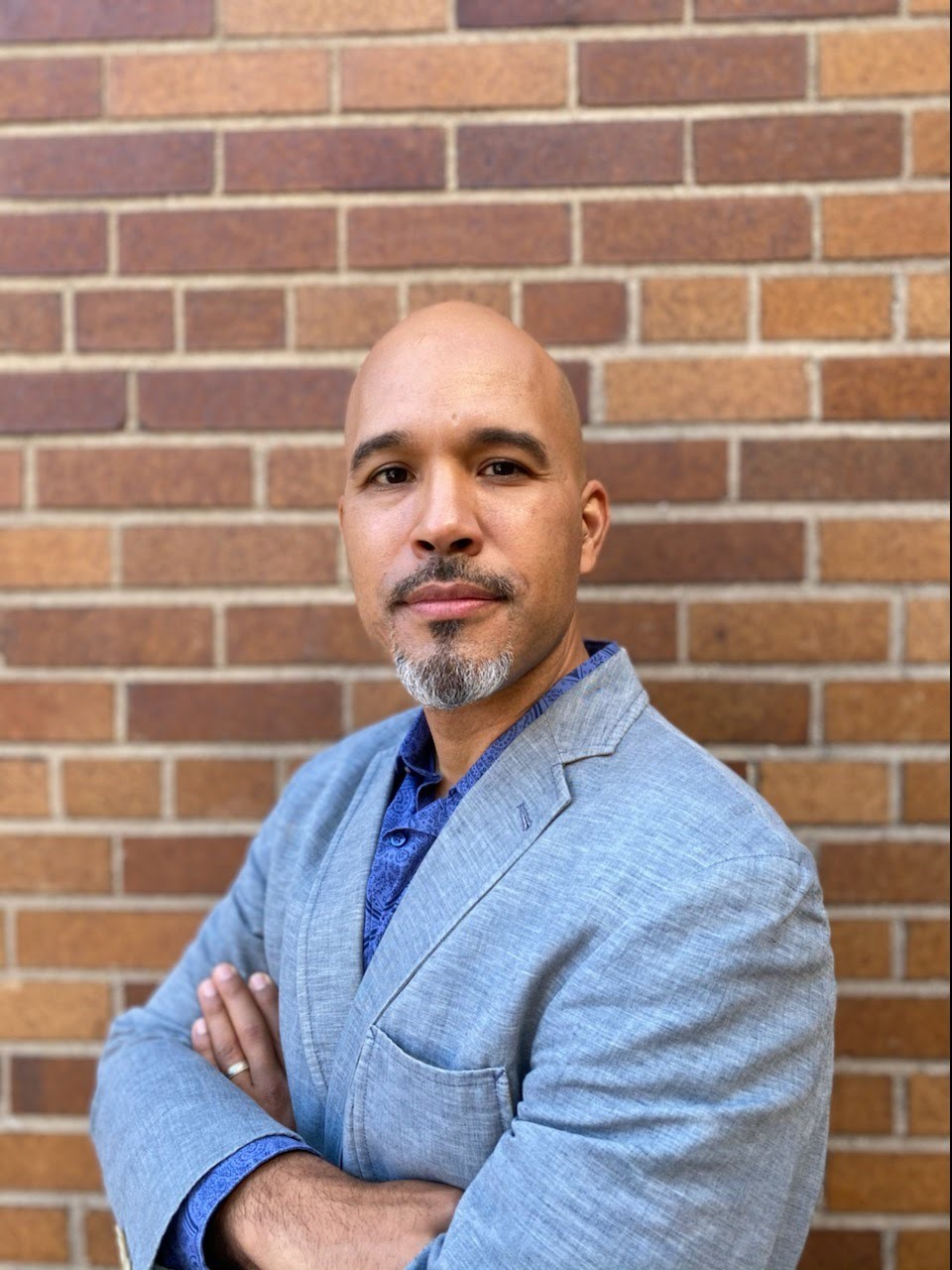
As Wisconsin families review the newest school report card results, Cosmos Renewed founder Art Serna is calling for a major shift in how the state measures learning and communicates performance. Serna, a longtime systems innovation strategist, says parents are facing mixed signals that make it harder to understand whether their children are truly progressing.
Families across the state are reporting confusion. Many see “Meets Expectations” labels on their children’s report cards, yet they observe their children struggling with reading, writing, and math at home. This disconnect has grown more noticeable with this year’s results. Serna believes the issue is not with families. He believes the problem is with a system that no longer reflects reality.
A System Sending Conflicting Messages
This year, most districts received favorable ratings. At the same time, statewide proficiency in core subjects remains low. Math and reading proficiency are still around the mid-30% range. These two pictures cannot both be true, and the contradiction has become too large to ignore.
The confusion is even sharper in Milwaukee. Adjustments to scoring systems enable schools to receive positive ratings even when proficiency levels are well below acceptable standards. Some schools received “Meets Expectations” ratings while fewer than one in five students reached grade-level performance. This creates a picture of success that does not match the lived experiences of many families.
More students are now enrolled in one-star schools. In these environments, reading proficiency can be as low as single-digit percentages. For many families, this raises a simple question: If the ratings say things are improving, then why does learning feel harder?
Recognizing Family Frustration
Art Serna believes it is vital to say plainly that parents are not imagining this disconnect. Their frustration is justified. When a system presents a positive image that does not match actual results, families lose trust. That loss of trust prevents meaningful action, because people no longer know which signals to believe.
Cosmos Renewed argues that fixing the issue requires more than changing numbers on a report card. It requires redesigning the model itself. It requires a shift that places families and learners at the center of decision-making.
A Different Way Forward: Student-Driven and Family-Led
Art Serna and the Cosmos Renewed team are promoting a new approach. It is based on personalized learning, micro-schools, and family-directed education pathways. These models give parents far more visibility and influence. They enable children to learn in ways that align with their interests and strengths. They also reduce absenteeism by making learning more meaningful and engaging.
In these models, parents are not passive recipients of ratings. Instead, they help shape their child’s learning plan. This restores trust because the family sees progress directly, rather than through broad categories on a state report card.
Technology as a Tool, Not a Replacement
Serna also highlights the increasing role of technology and artificial intelligence in education. He supports the use of these tools, but only with clear boundaries. In Cosmos Renewed’s learning models, technology offers guidance but does not make decisions. AI can provide insight into pacing, progress, or gaps. However, parents and educators remain in charge at every step. This preserves the human relationships that matter most in a child’s growth.
A Call for Wisconsin Families to Lead the Future
Art Serna views this moment as a turning point. The current report card system is struggling to meet the needs of students, parents, and educators. Instead of waiting for the system to improve, he believes families can begin creating better learning environments now. Cosmos Renewed is inviting Milwaukee parents to participate in new micro-school pilots that reflect the strengths and values of local communities. These pilots aim to give families a genuine voice in shaping the future of learning.
Serna encourages parents across the state to share their experiences. He believes that honest feedback from families can guide Wisconsin toward a more transparent and effective learning system. The goal is simple: move past labels and build environments where every child can grow, thrive, and feel seen.
“Families deserve clarity,” Serna said. “They deserve learning environments that reflect the real potential of their children. We have an opportunity to build those environments today.”
To learn more visit: https://www.linkedin.com/in/utartserna/