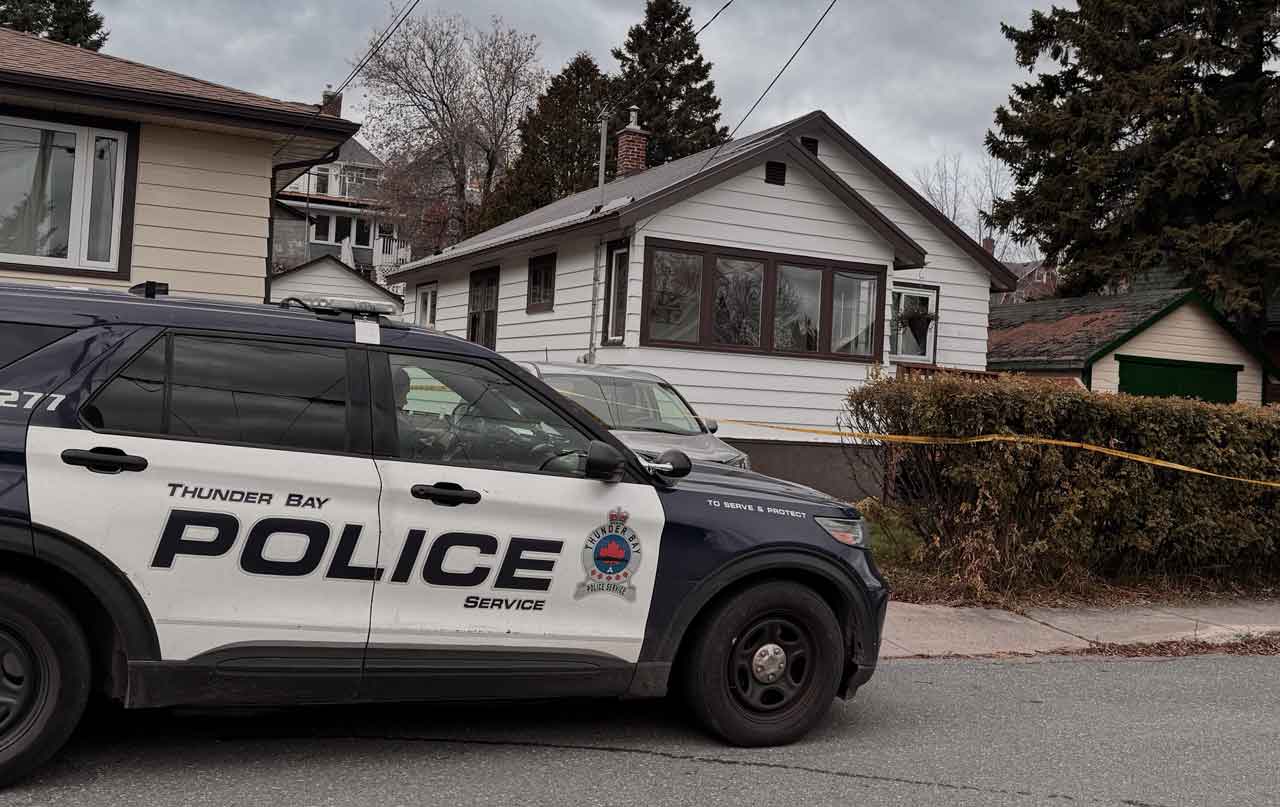
TBPS identifies victim as 67-year-old Maurice Kenneth Bruins; 24-year-old charged with second-degree murder and break-and-enter.
By NetNewsLedger Staff
Published: November 5, 2025
Category: Local Crime Update
Thunder Bay — The Thunder Bay Police Service (TBPS) has arrested a suspect in connection with the October 30, 2025homicide at a residence in the 100 block of College Street.
Officers responded to a 911 call at approximately 3:00 p.m. and located a deceased male at the scene. The victim has been identified as Maurice Kenneth Bruins, 67, of Thunder Bay. Investigators believe Mr. Bruins died during an interrupted break-and-enter, and that the incident was not targeted.
Police allege the accused left the residence in the victim’s vehicle and later travelled to a community outside Thunder Bay, where a separate break-and-enter occurred.
Following an investigation led by the Major Crimes Unit with support from the Forensic Identification Unit, police identified a suspect. On Tuesday, November 4, Dwayne FERRIS, 24, of no fixed address, was arrested and chargedwith:
-
Second-Degree Murder
-
Break-and-Enter
Ferris appeared in court on November 5 and was remanded into custody. TBPS thanked the Ontario Provincial Police (OPP) for assistance in locating the stolen vehicle.
What the Charges Mean — and Possible Penalties
Second-Degree Murder (Criminal Code, Canada)
-
Definition (plain language): An intentional killing that is not planned and deliberate (first-degree), and does not fall under the specific categories that make a murder first-degree (e.g., killing a peace officer, murder during certain listed offences, etc.).
-
Penalty upon conviction:
-
Mandatory life imprisonment.
-
Parole ineligibility is set by the judge between 10 and 25 years. The individual remains under a life sentence even if parole is later granted.
-
Victim impact statements and aggravating/mitigating factors influence where within the 10–25 year range the ineligibility period is set.
-
Break-and-Enter (Criminal Code s. 348)
-
Definition (plain language): Entering a place without lawful right with intent to commit, or after entering committing, an indictable offence (often theft or assault).
-
Penalty upon conviction:
-
If the place is a dwelling-house (residence): up to life imprisonment (indictable).
-
If the place is not a dwelling (e.g., business, garage): up to 10 years’ imprisonment (indictable), or a lower maximum if prosecuted summarily.
-
Courts consider factors such as use or threat of violence, damage, time of day, and impact on occupantswhen sentencing.
-
Important: The specific maximums above describe the law’s upper limits. Sentences in any given case depend on the facts, the offender’s record, and judicial findings. All charges are unproven unless and until there is a conviction. The accused is presumed innocent.
Call for Information
Anyone with information about this investigation is asked to contact the Thunder Bay Police Service at (807) 684-1200. Anonymous tips can be submitted to Crime Stoppers at 1-800-222-8477 or online at p3tips.com.