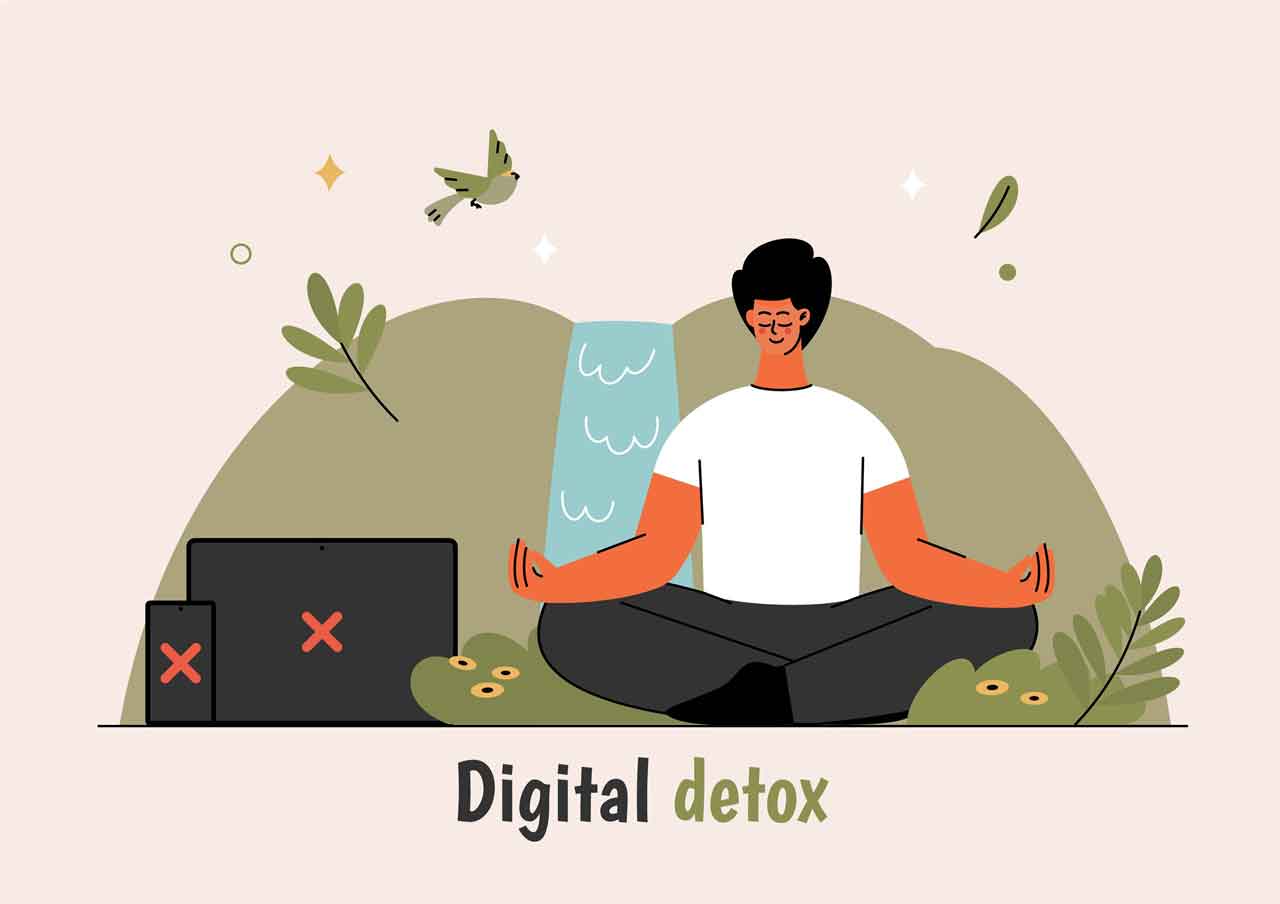
These days, phones and mobile devices are with us almost everywhere. At work, at the cinema, or even out on a first date, it’s become normal to glance at a screen from time to time. Social platforms, messages, and videos are part of the routine, and for many people, they’ve become a big part of how we communicate and spend our time.
On average, nowadays people spend around 4.5 hours each day on their phones, with some checking them close to 60 times daily. That’s a lot of time, and it raises the question of whether stepping back now and then could be useful. That’s why the idea of a digital detox has been gaining attention. With technology woven into almost every part of daily life, we rely on it more than ever. The question is: could we truly set it aside, even briefly?
What Is Digital Detox?
A digital detox is best described as refraining from using electronic devices. Think of it like going on a diet where you temporarily cut out certain foods to give your body a rest. Or let’s say you’re a fan of online casinos. Today, all licensed platforms – both independent sites or sister casinos of any well-known brand operating under one umbrella, like Betway casino sister sites – provide tools for responsible gambling, such as reality checks or cool-off periods. These features let players step back for a quick gaming detox whenever it’s time to pause.
With digital detox, however, the idea is even stricter. You step away completely from your devices, including smartphones, iPads, and computers, for a set period of time. No scrolling, no notifications, no constant checking, just a chance to reset.
Sure, there are situations when using a mobile device is a must. However, the vast majority of the time people spend on their mobile phones is spent scrolling and swiping. A digital detox is designed to take a break from this habit.
Benefits of Digital Detox
You may think that spending 4.5 hours per day on your mobile device is harmless. However, it does cause harm. For example, studies have shown that spending too much time on social media platforms can increase stress levels and adversely impact your mental health.
It can also negatively affect your physical health. Spending too much time on your phone messes with your melatonin levels, making it more difficult to sleep. If you spend a lot of time on your phone, then you have likely experienced things like neck pain and headaches.
One aspect of phone addiction that is often forgotten is the effect it has on personal relationships. There’s a good chance that you have seen families, groups of friends, or even couples on first dates hyper-focused on their phones instead of enjoying the company of those around them.
By digitally detoxing, you will find that you feel better physically and mentally. A study conducted at Nottingham Trent University found that one in three messages you receive via mobile devices will worsen your mood. In other words, putting the phone away should increase your overall level of happiness.
A digital detox will also improve your performance and make you more productive. Of course, this is assuming that you find something productive to do in those 4.5 hours you would have otherwise spent idling. It doesn’t matter if you use that time to bake a cake, make your bed, or invent a way to prevent spaghetti sauce from staining your Tupperware; an achievement is an achievement. You’ll be better off for it.
A Real Wellness Boost or Merely a Passing Trend?
Stepping away from screens now and again does more than give your eyes a rest. A digital detox can lower stress, sharpen your focus, improve sleep, and even help you reconnect with people who actually matter. It also clears the mental fog that comes with endless scrolling—leaving you a little happier in your own skin.
With phones, laptops and tablets blurring the line between work and downtime, it’s no wonder more people are seeking a reset. Technology isn’t going anywhere, so the real trick is learning how to live alongside it without burning out. A digital detox, in that sense, isn’t about running away from tech but about giving yourself room to breathe.
Retreats and “unplugged” programmes are already popping up everywhere, and it’s a safe bet we’ll see plenty more. The lure of constant connection is still a relatively new dilemma, yet it’s already touching millions around the world.
So, is it a fleeting craze? Hardly. A digital detox is less of a gimmick and more of a well-timed reminder: sometimes the healthiest upgrade isn’t on your device, but in how you step away from it.