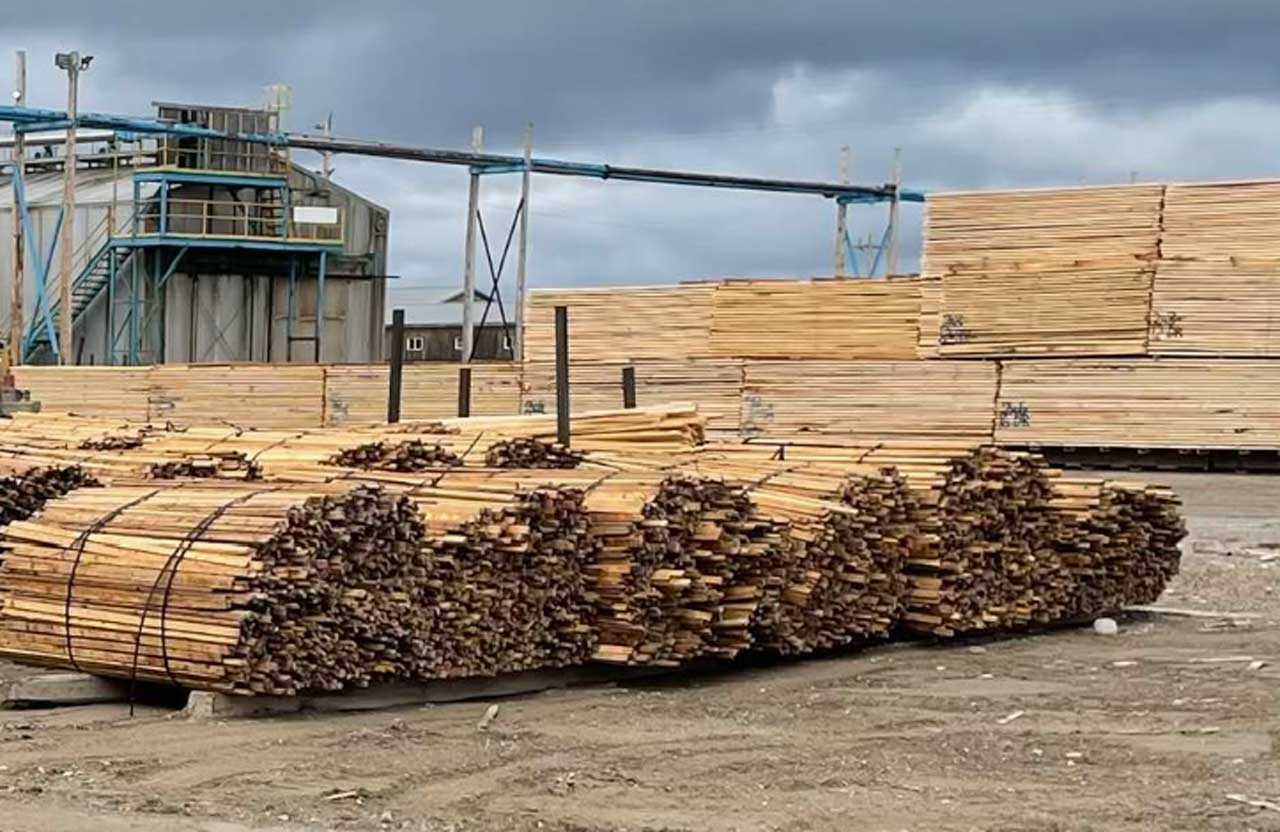
Ministers Say Tariffs Hurt Workers, Drive Up Home Costs, and Undermine Cross-Border Competitiveness
THUNDER BAY – BUSINESS/FORESTRY – Ontario’s government is pushing back against the United States’ latest move to increase tariffs on Canadian softwood lumber, calling the decision a blow to workers, families, and the housing market on both sides of the border.
United States President Donald Trump continues his tariff battles against Canada, once one of the United States greatest friends and allies. Although Trump does not realize it, it is American consumers who end up paying the higher prices his tariffs cause.
In a joint statement released on July 25, Ontario’s Associate Minister of Forestry Kevin Holland, Minister of Natural Resources Mike Harris, and Minister of Economic Development Vic Fedeli criticized the U.S. Department of Commerce’s decision to hike duties on Canadian exports, stating:
“These duties disrupt industries, drive up costs and put our shared competitiveness at risk… Continued duties on Canadian softwood lumber exports are an unjust burden which limit productivity, raise construction costs and make homes less affordable for American families.”
Decades-Long Dispute Rekindled
The softwood lumber dispute is one of the longest-running trade conflicts between Canada and the United States. At the heart of the issue is a difference in how the two countries manage and price timber.
In Canada, the majority of timber is harvested from Crown land, with prices regulated by provincial governments.
The U.S. lumber industry has long argued this constitutes an unfair subsidy—despite repeated World Trade Organization (WTO) and NAFTA/USMCA rulings in Canada’s favour.
Key historical moments in the dispute:
-
Softwood Lumber Agreement (2006–2015): A negotiated truce that expired without renewal
-
2017: U.S. reinstates duties, citing unfair subsidies—starting a new round of trade tensions
-
2023–2025: Canada continues to challenge duties through USMCA dispute panels and WTO
The latest tariff hike comes despite a U.S. housing market heavily reliant on Canadian softwood imports for framing and construction. Analysts warn that increased lumber costs could drive home prices even higher, further stressing housing affordability.
Impact on Northern Ontario’s Forestry Sector
Northern Ontario’s economy—particularly in regions like Thunder Bay, Ignace, Atikokan, Dryden, and Kenora—is deeply tied to forestry. Softwood lumber from this region is a key export, and duties directly affect:
-
Sawmills and processing facilities
-
Cross-border shipping operations
-
Rural employment and Indigenous forestry partnerships
Associate Minister and Thunder Bay–Atikokan MPP Kevin Holland emphasized the broader economic damage:
“The U.S. market needs Canadian lumber, and our producers in Thunder Bay and across Ontario deliver world-class, sustainably harvested timber. These duties punish hardworking people in both countries.”
Canada Continues to Fight Back
Canada has consistently challenged the U.S. duties through international trade tribunals, with several rulings favouring Canada. However, the appeal process is slow, and tariffs remain in place—hurting producers in the interim.
Federal and provincial officials have pledged to:
-
Support affected mills and forestry workers
-
Push for the removal of tariffs through trade channels
-
Advocate for a new bilateral softwood lumber agreement
A Cross-Border Concern
The Ontario ministers’ statement highlights the shared impact of U.S. tariffs: fewer jobs, delayed construction projects, and higher costs for American and Canadian families alike.
“Ontario and the U.S. trade together and build together… We remain firm in our position that these duties should be lifted entirely.”
As the U.S. continues to face housing supply pressures, many observers suggest the tariffs are self-defeating—choking the supply chain while failing to protect American consumers.