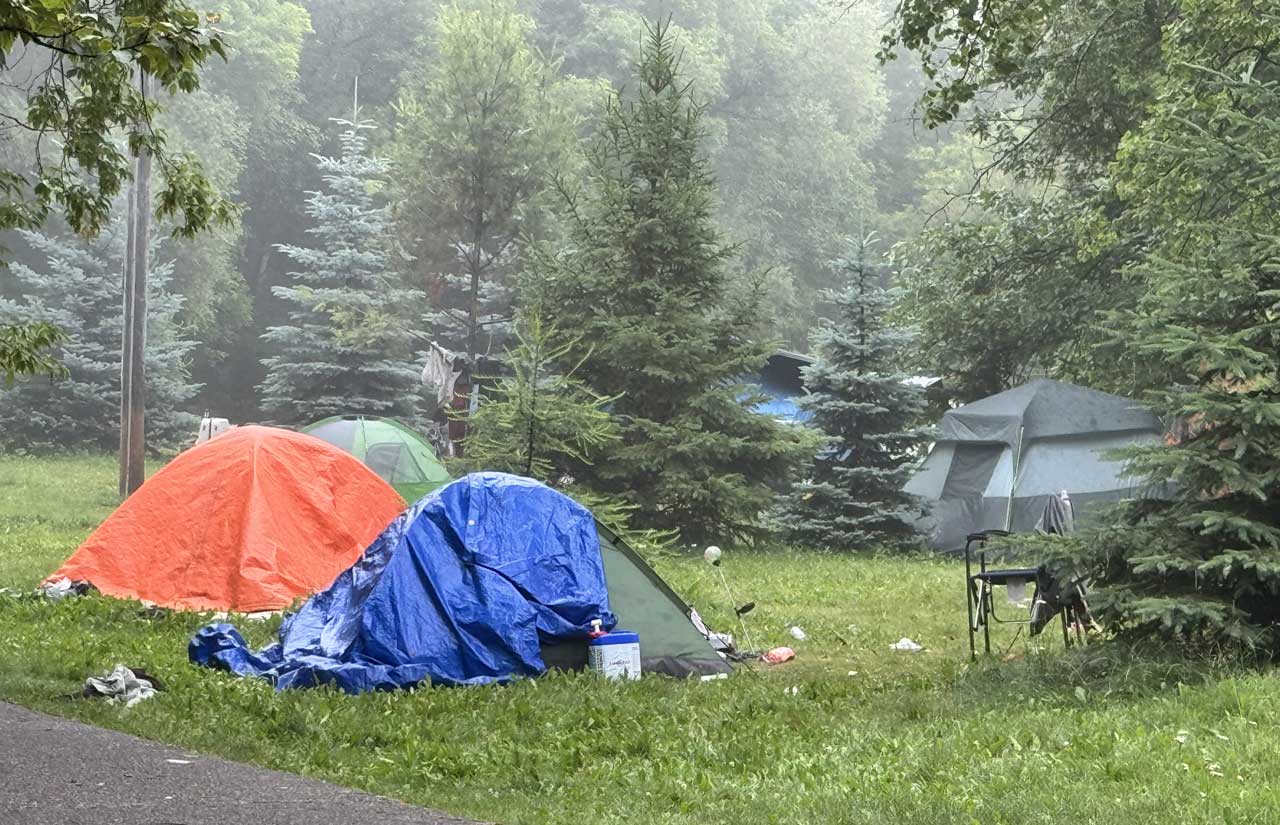
Thunder Bay – Analysis – The issue of homeless encampments has been a thorn in the side for residents in cities across Canada for the past several years. While many cities, including Thunder Bay have bylaws in place that restrict camping in the city, those bylaws have been halted by rulings in the courts citing the Charter of Rights and Freedoms.
Many people are worried about the tent cities that have been established in their neighbourhoods, and increasingly residents are seeking that the municipality do something about the encampments.
This analysis explores what the current status is in the Thunder Bay municipality, and how actions by the City of Thunder Bay are seeking to solve the problem.
What is the State of the City of Thunder Bay Homeless Population?
Latest Homelessness Count
-
2024 Point-in-Time (PiT) Count: At least 557 people were experiencing homelessness in Thunder Bay on October 5–6, 2024.
-
Among them:
-
122 lived in emergency shelters
-
122 stayed in tent encampments
-
100 were couch surfing
-
100 living outdoors
-
22 in transitional housing
-
5 living in vehicles
-
-
78% self-identified as Indigenous
-
-
2021 PiT Count: 221 individuals took the survey, but agency data estimated 410 people experiencing homelessness, with a by-name list showing 693 active cases.
Shelter & Transitional Housing Capacity
Emergency Shelter Beds (2024 winter season):
-
Shelter House: 72 beds (was 62 pre‑2024)
-
Salvation Army: 41 beds
-
Grace Place: 35 beds
-
Urban Abbey: 40 beds
-
Total: 188 emergency shelter spaces
For Thunder Bay based on these numbers, there is a shortfall of up to 505 shelter spaces or as low as 222 people who could not find real shelter in the city.
That number of homeless is probably even lower as there are many people couch-surfing.
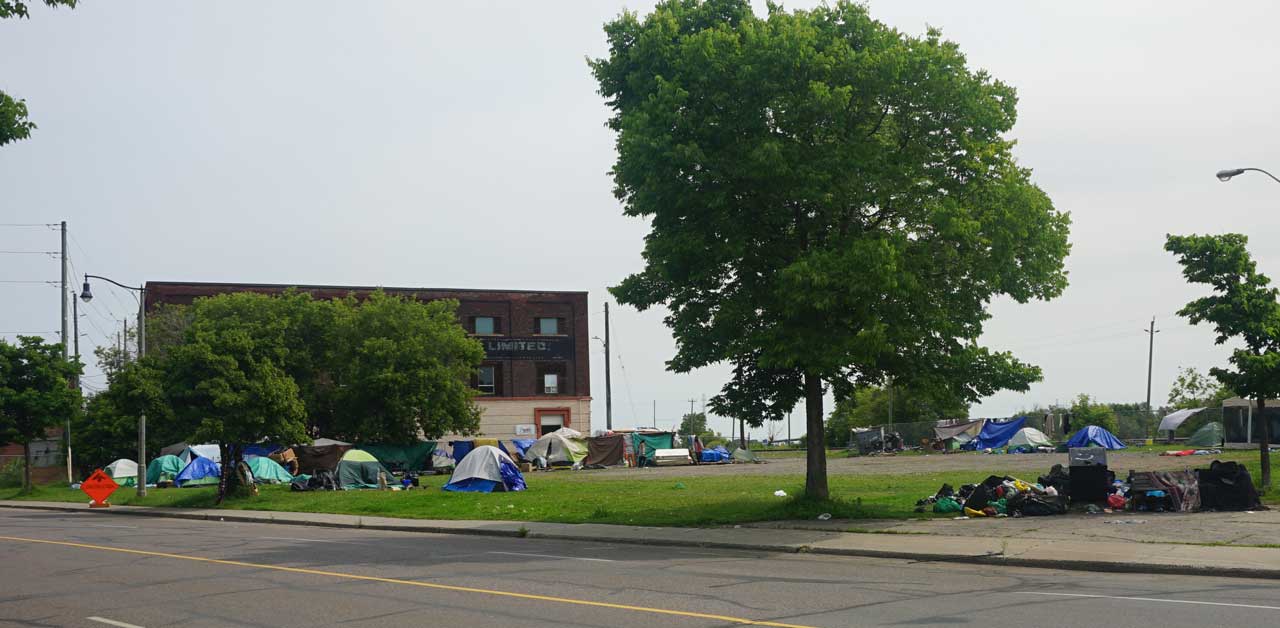

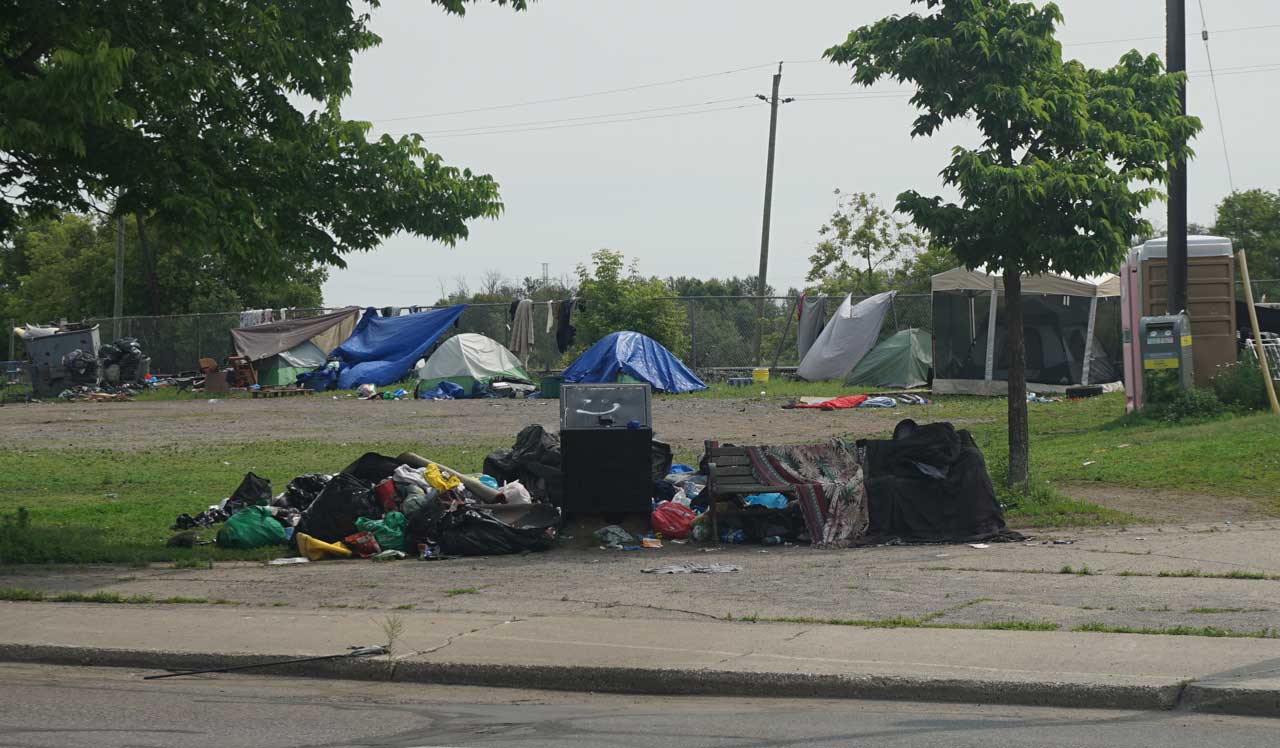
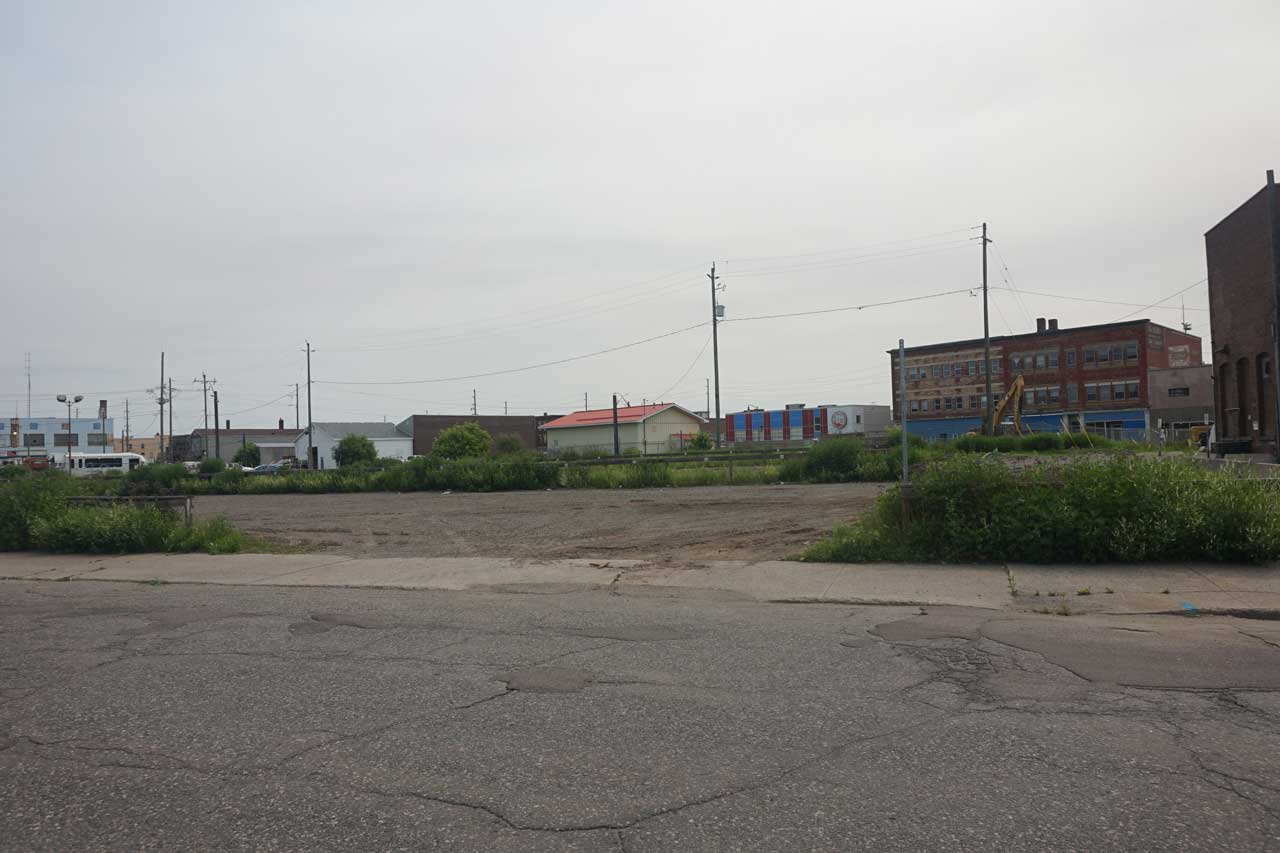
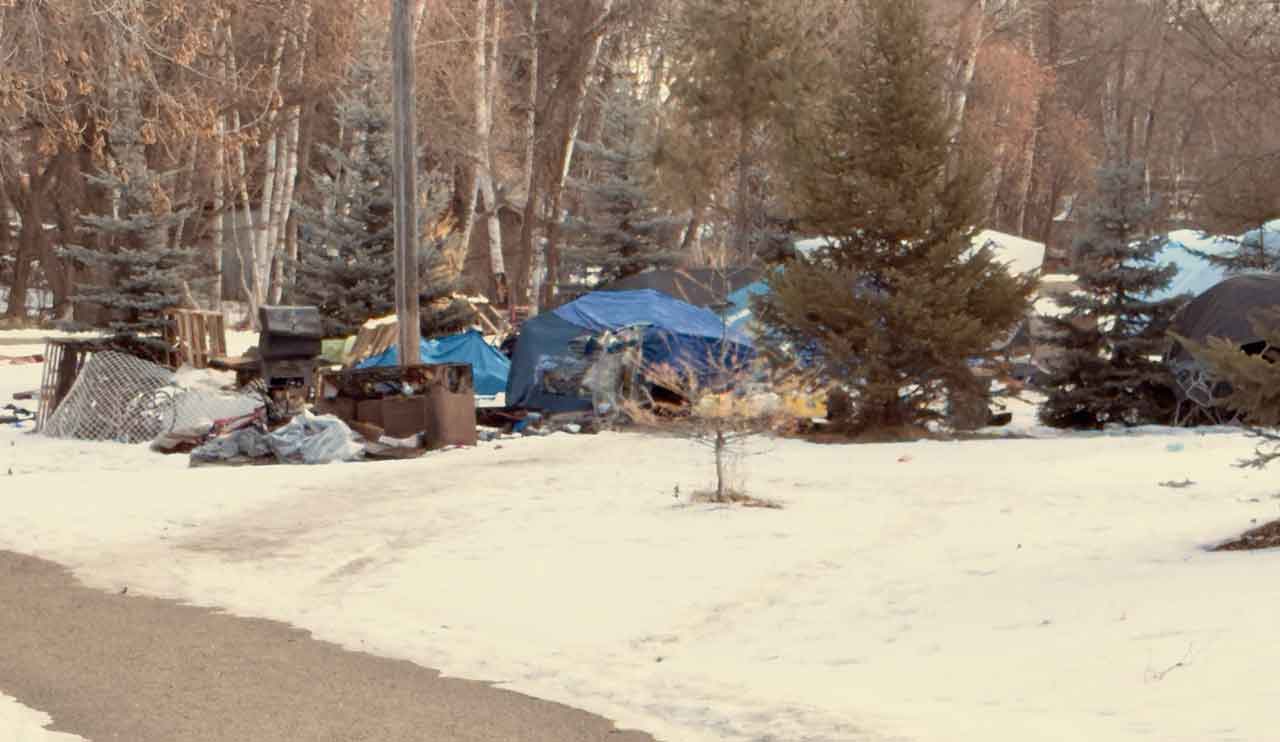



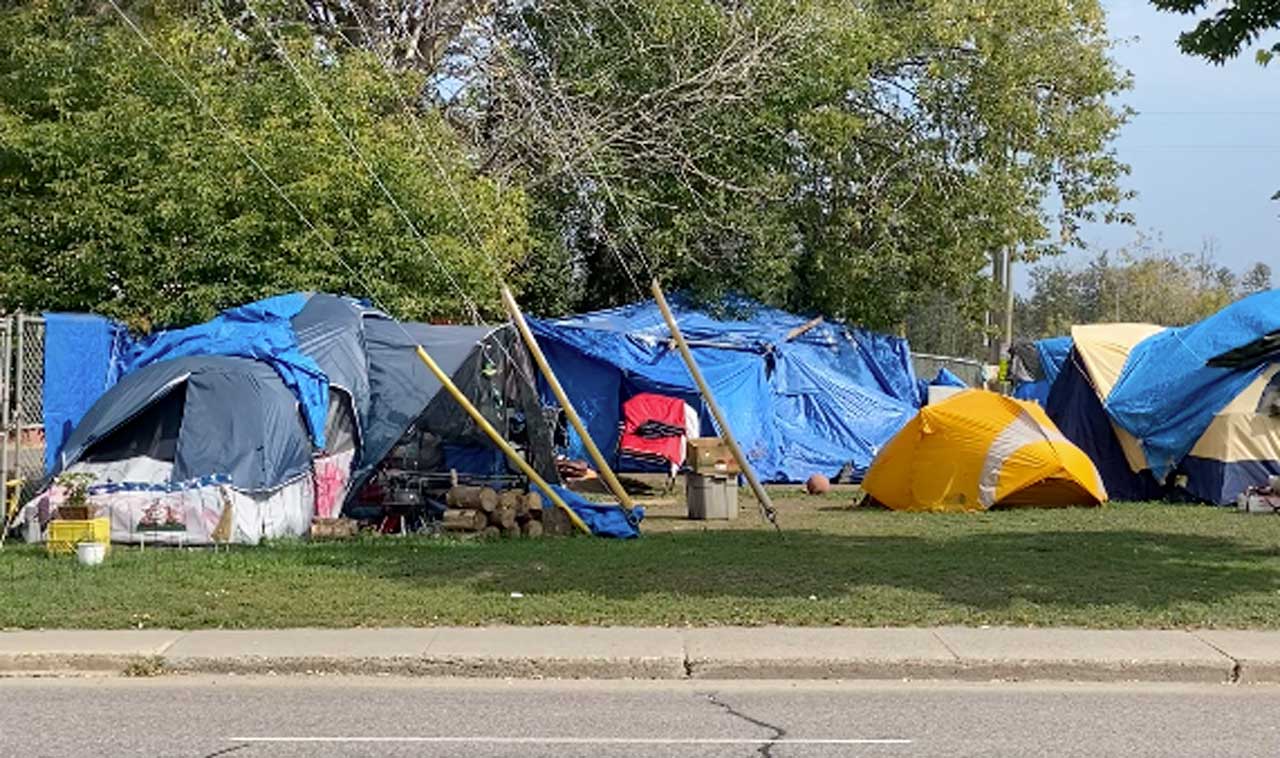
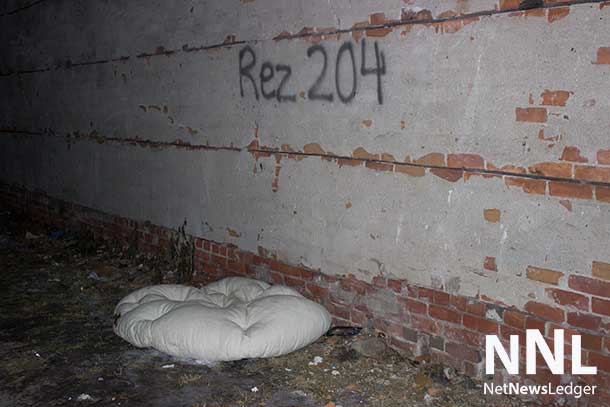
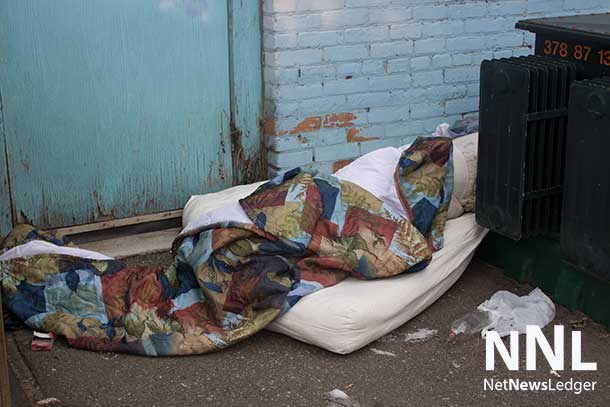
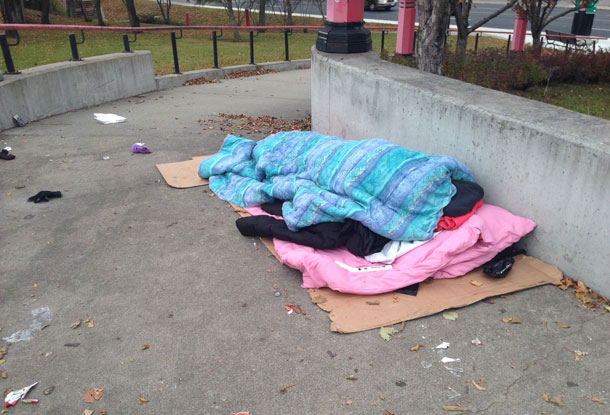
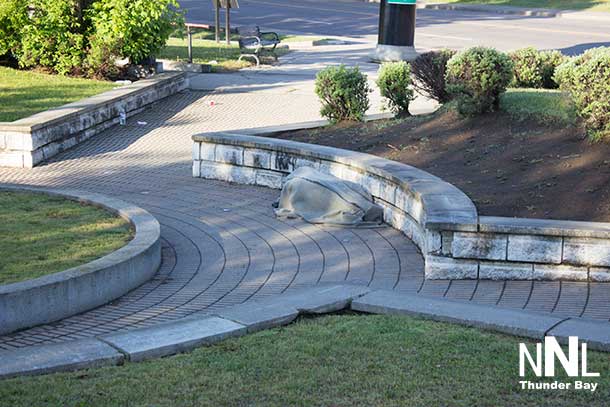
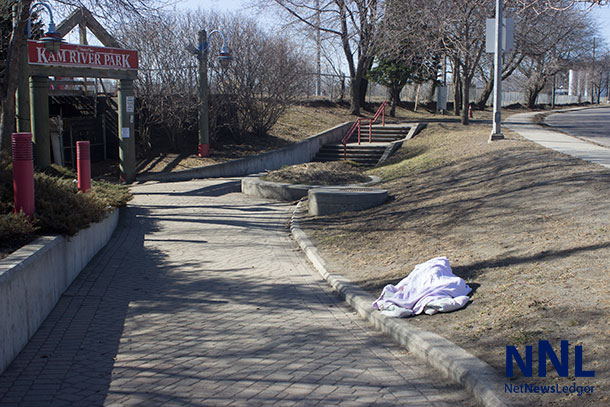

While some Thunder Bay City Councillors have claimed that the homeless shed encampment would have given the city the ability to move the tent encampments the reality is that this isn’t proven by the numbers and would not be successful if court challenges were brought forward.
The shed encampment now slated for Hillyard in the Intercity will be near a popular off-leash dog walk park.
Encampments on the Rise in Canadian Cities
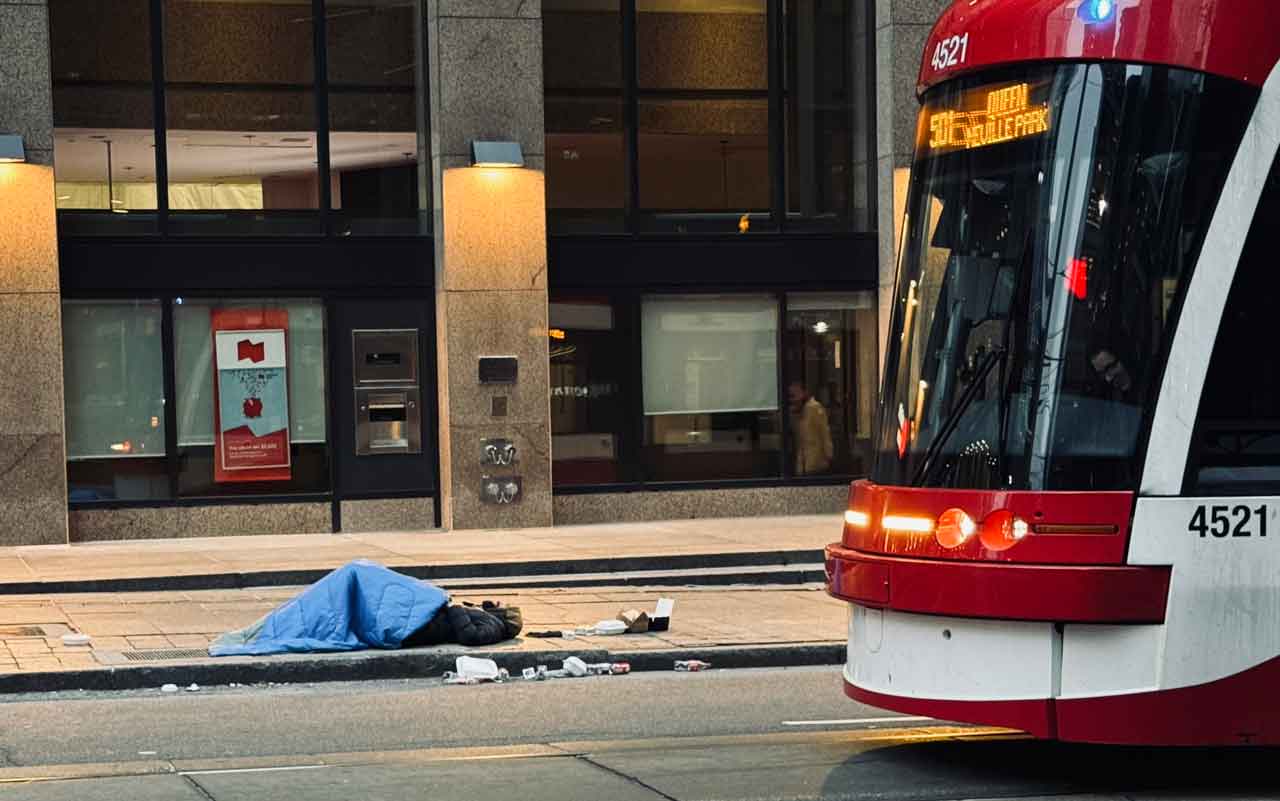
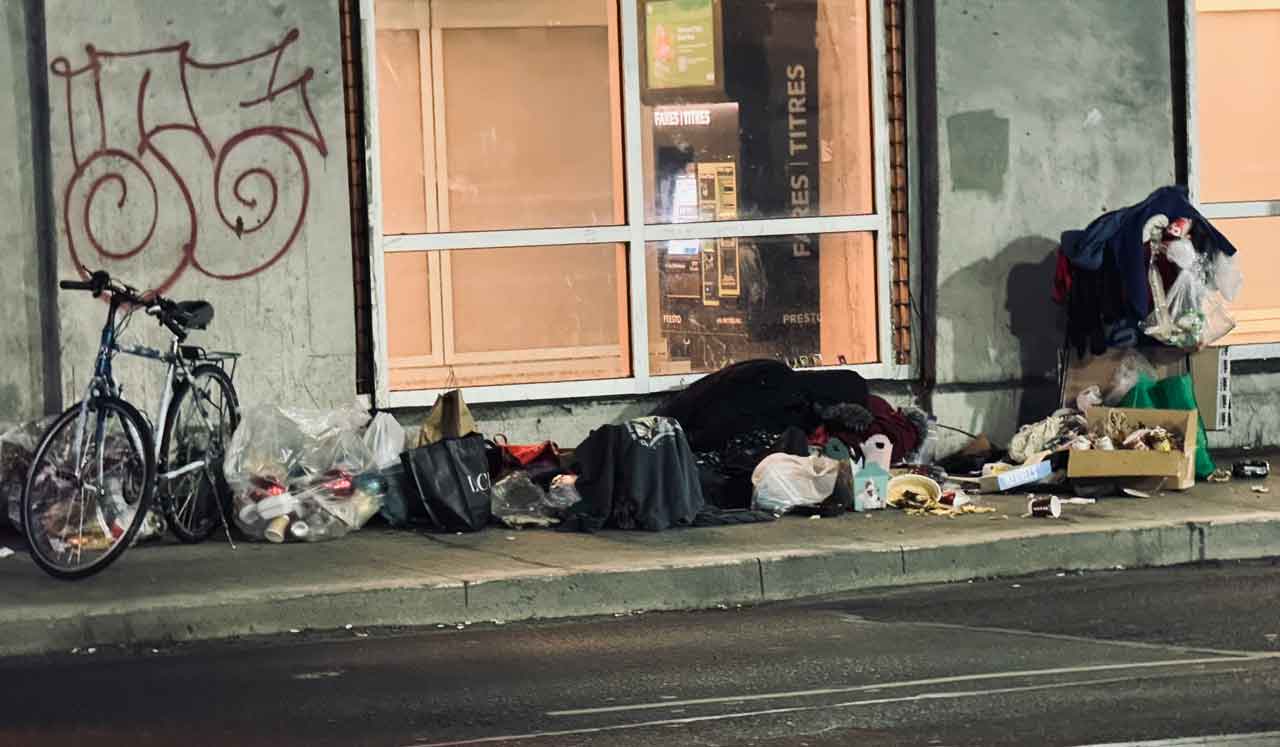
People sleeping in bus shelters, business doorways, or directly on the streets has become an all too common fixture in cities across Canada.
In Thunder Bay early mornings find private security staff rousting people out of the Waterfront District parkade. Often there have been people found sleeping on the new benches along Red River Road. Bank foyers are another spot where homeless often seek shelter from the weather.
Municipalities have traditionally responded with bylaws banning camping on public property. However, the legal landscape is shifting, with courts requiring a more nuanced, human rights-based approach to managing these encampments.
The Charter Versus the Bylaw: A Legal Balancing Act
Municipalities rely heavily on local bylaws to govern the use of parks and public land, often prohibiting overnight sheltering or erecting structures.
But as the housing crisis deepens, these measures are now frequently challenged under the Canadian Charter of Rights and Freedoms, particularly:
-
Section 7: Right to life, liberty, and security of the person
-
Section 15(1): Right to equality under the law
Increasingly, courts are finding that when shelters are not truly accessible, enforcing these bylaws may violate constitutional rights.
Court Rulings Shift Municipal Responsibility
A growing body of case law is compelling cities to take a human rights-based approach to homelessness.
Judges across Ontario and British Columbia have struck down blanket evictions, ruling that people cannot be removed from encampments if no appropriate shelter options are available.
This shift means municipalities are not just tasked with enforcing bylaws but also with proving the existence of safe, suitable alternatives for unhoused individuals.
In Thunder Bay City officials have done a less than excellent job of consultation with the public, and in specific the residents in the homeless encampments. That has led to some significant resistance.
The shed city idea in Thunder Bay came into the process as a solution. if there are enough shelter spaces available then the municipality could move to shut down the encampments.
However the proposed numbers would fall far short of allowing the municipality to close down homeless shelters.
The amount of indepth research done appears to have missed many major points. Councillor Mark Bentz started listing the issues with the Miles Street location, and that led to another move to reverse the course Administration seemed to want to go.
The issue has frustrated some members of city council.
The Landmark Waterloo Decision and Its Ripple Effects
The 2023 the ruling in The Regional Municipality of Waterloo v. Persons Unknown and to be Ascertained, 2023 ONSC 670 is now one of the most influential decisions shaping homelessness policy in Canada.
Key Takeaways:
-
Not Enough Truly Accessible Shelters: The court found that available beds did not meet the diverse needs of the local homeless population (estimated at 1,100). Issues included safety concerns in co-ed shelters, barriers for people with disabilities, and lack of harm reduction options.
-
Violation of Charter Rights:
-
Life: Exposure to elements without shelter risks death, especially in cold months.
-
Liberty: Forcing individuals to leave encampments without accessible alternatives is an unjust restriction on autonomy.
-
Security of the Person: The stress, danger, and mental health impacts of eviction violated basic personal security.
-
-
Daytime Rights Recognized: Unlike earlier rulings, the court upheld the right to shelter during the day, not just overnight, emphasizing the lack of public alternatives for rest and safety.
-
Overbroad and Disproportionate Bylaws: The Region’s bylaw was struck down as excessive and harmful, with little evidence of public disruption to justify such punitive enforcement.
-
No Section 15(1) Breach Found: While homelessness is not yet recognized as a ground for equality rights, the judge acknowledged the structural discrimination many homeless individuals face.
-
Policy Compliance Matters: The Region’s failure to follow its own Encampment Response Strategy—especially the lack of outreach before enforcement—was an “exceptional circumstance” that weighed heavily in the court’s decision to deny an injunction.
Implications for Policy in Thunder Bay and Beyond
For cities like Thunder Bay, where homelessness is growing due to poverty, addictions, and housing unaffordability, this ruling provides a clear legal roadmap.
A solution could be having social services, TBDSSAB in Thunder Bay doing more work with people applying for Ontario Works who are experiencing homelessness. Finding solutions to addiction and mental health issues is a needed service.
Examining how to get a person back their full dignity should be the goal.
The goal should be boosting the permanent shelter spaces.
The efforts toward drug detox beds, and treatment centre beds in our city needs to be an area the Municipality and the Province double down on.
In previous editorials, NetNewsLedger has suggested that Thunder Bay make it a goal to become the drug treatment capital of Canada. The benefits would be economic and social, and they would certainly be better than the mantles of Crime City or Murder Capital that we have had hung around our city’s neck for too many times.
Municipal leaders must now ask:
-
Are shelter spaces truly accessible to all demographics?
-
Does the city have outreach-first encampment protocols?
-
Are service providers trained to meet diverse needs (e.g., trauma, addiction, gender safety)?
-
Can the city withstand Charter scrutiny if its bylaws are enforced?
Thunder Bay’s shelter system, while critical, may not be equipped for the layered challenges posed by mental health, substance use, and long-term trauma.
As seen in Waterloo, it’s not enough to count shelter beds. They must be safe, suitable, and reliably available.
The Legal Landscape: A Summary
| Legal Principle | Implication for Cities |
|---|---|
| Section 7 (Charter) | Eviction cannot occur if accessible shelter is unavailable |
| Overbroad Bylaws | Cities must tailor rules carefully to avoid disproportionate harm |
| Accessible Shelter | Includes safety, privacy, trauma-informed care, harm reduction |
| Outreach Obligation | Municipalities must follow their own policies before enforcement |
| Daytime Rights | Right to rest and shelter applies beyond overnight hours |
What This Means Going Forward
Municipalities across Canada—including Thunder Bay—must realign their homelessness strategies to respect human rights and legal precedent. This includes:
-
Investing in diverse shelter models (low-barrier, harm reduction, couples units).
-
Strengthening outreach before enforcement, with community health and social workers leading efforts.
-
Tracking and publishing encampment responses transparently to maintain public trust and legal defensibility.
The tent cities of today are not simply outgrowths of poverty—they’re legal and ethical challenges testing our cities’ commitments to human dignity.
Cities cannot police their way out of encampments. Legal precedent, ethical obligation, and community safety all point to the same answer: eliminating tent cities requires eliminating the reasons people are in tents to begin with.
That means building deeply affordable housing, respecting Charter rights, and delivering support services where people are—not waiting for them to show up at shelters that often fail them.
Tent-free streets start with dignity, not enforcement.