
The gaming industry is evolving faster than ever, fueled by rapid technology advances and shifting player expectations. Today it spans everything from AAA console titles and casual mobile apps to online casinos. For example, players looking for the best gambling sites online often rely on platforms like Casinos Analyzer, which provides in-depth analytics, trusted reviews, user ratings, and handy filters to compare operators. The next five years promise to bring significant changes.
In this article, we explore several key gaming industry trends poised to shape the future. These trends range from immersive hardware breakthroughs to new ways that AI and player creativity are changing how we play. Each trend is already emerging and is expected to grow quickly, bringing gamers new experiences.
Cloud Gaming Goes Mainstream
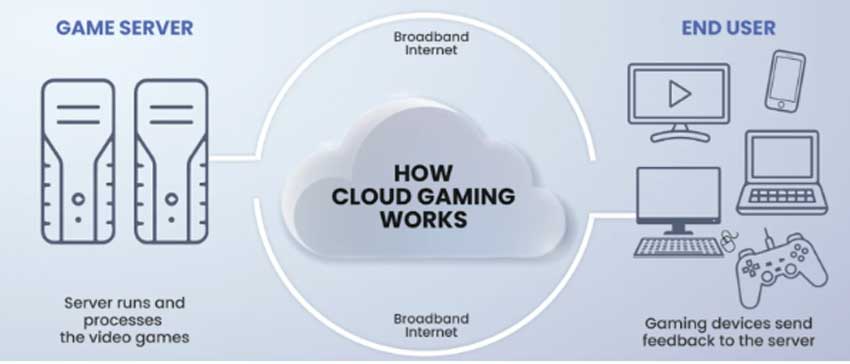
After years of hype, cloud gaming is finally gaining momentum. Services like Xbox Cloud Gaming and NVIDIA GeForce Now already let players stream AAA titles to phones, tablets, or TVs – no console or high-end PC needed. This trend should accelerate as internet infrastructure (like 5G) improves. The appeal is obvious: even a basic device can run top-tier games via the cloud, often through a Netflix-style subscription library. Challenges like latency and bandwidth remain, but if those are solved, cloud gaming could fundamentally change how games are accessed and broaden the gaming audience.
Virtual Reality and Augmented Reality
Virtual Reality (VR) and Augmented Reality (AR) are on track to play bigger roles in gaming. VR headsets continue to improve and become more affordable, delivering increasingly immersive experiences. At the same time, tech giants are developing AR glasses to blend digital games with the real world. In the next five years, VR could finally hit the mainstream, and we might finally see AR games that go beyond the phone screen. The success of Pokémon GO hinted at AR’s potential – soon we may have adventures where virtual objects appear in our surroundings. As VR/AR hardware matures and content expands, these technologies could reshape how we play and socialize through games.
Generative AI in Games
Advances in artificial intelligence are opening new frontiers in game development. Generative AI tools – including ChatGPT, image generators, and other assistants – are helping developers create content faster, from dialogue writing to level design and art. In upcoming games, we could encounter NPCs that converse naturally or adapt their tactics on the fly thanks to AI, making each playthrough more unique. While human creativity still leads game design, AI is quickly becoming a powerful co-designer, enabling richer and more dynamic worlds for gamers.
User-Generated Content and Community Creations
Players aren’t just playing games – they’re also creating them. User-generated content (UGC) has become a core feature of many hit titles. Games like Minecraft, Roblox, and Fortnite’s Creative mode show the appetite players have for building their own worlds and game modes. Developers are responding by providing better tools for community creators. The result is that games constantly refresh themselves with player-made content. This trend empowers gamers as co-creators and blurs the line between player and developer. In the coming years, expect even more games to double down on UGC to keep players engaged and drive innovation.
Gaming as a Social Experience
Gaming is increasingly a social experience, not just a solo pastime. Many popular games double as virtual hangouts where friends meet up to chat or play together. We’ve seen massive concerts hosted inside games like Fortnite, drawing millions of attendees. In the next few years, expect more virtual events and group activities within game worlds. As games continue to serve as social networks for many players, developers will focus on making these communities more inclusive and fun.
Esports and Streaming Culture
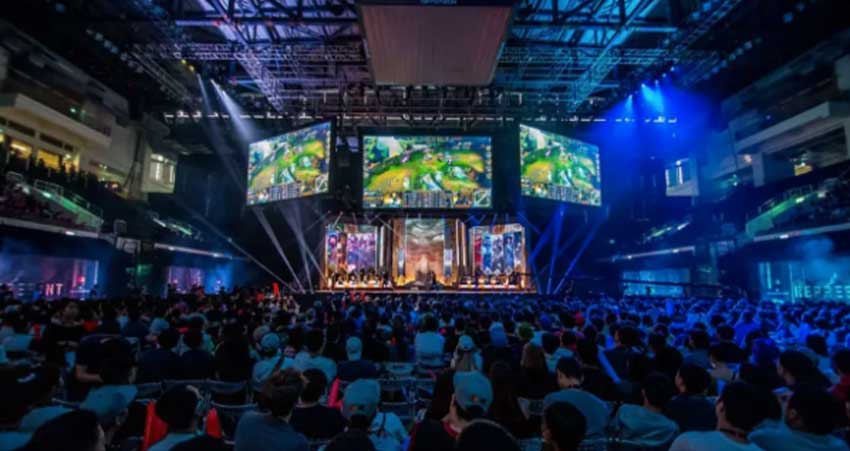
Competitive gaming, or esports, has exploded into the mainstream. Professional leagues for titles like League of Legends and Counter-Strike fill arenas and draw millions of online viewers. Esports is poised to grow even bigger in the coming years – potentially even appearing in large-scale events like the Olympics. Meanwhile, gaming content creators on platforms like Twitch and YouTube have become tastemakers who can turn a new title into an overnight sensation. Developers are now building games with streamers and spectators in mind, adding features like spectator modes or interactive audience elements.
A Glimpse into the Future: Gaming in 2030
Imagine it’s the year 2030. You don an AR/VR headset and join friends in a virtual game world. Thanks to cloud streaming, one friend plays on a phone and another on a basic laptop, yet you’re all sharing the same high-quality experience. The game you’re exploring features AI-driven characters that react to your actions, making the story personalized. Earlier, your group even used built-in creative tools to design a custom mission that you’re now tackling together. After completing the adventure, you and your friends hop over to a virtual arena to watch a live esports tournament, cheering with thousands of other fans. This scenario might sound ambitious, but with cloud technology, immersive hardware, AI, community creativity, and social connectivity all converging, it could become a commonplace reality by 2030.