Ambitious $25 Billion Savings Drive Under “Spend Less, Invest More” Mandate
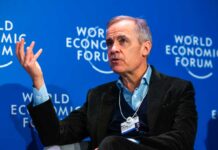
THUNDER BAY – Politics 2.0 Coverage – Prime Minister Mark Carney has set a target of $25 billion in annual savings to be identified across the federal government over the next three years, a move aimed at funding new priorities—from defence to affordable housing—while steering the operating budget back to balance by 2028–29 .
Sharp Cuts to Program Spending Phased Over Three Years
Finance Minister François-Philippe Champagne and Treasury Board President Shafqat Ali have requested that each department propose “ambitious savings” in a graduated schedule:
-
7.5 % of program spending by the start of fiscal 2026–27.
-
10 % in fiscal 2027–28.
-
15 % in fiscal 2028–29.
Broad Scope Encompassing Most Federal Entities
The directive applies not only to core government departments but also extends to agencies and other federally funded bodies, mandating a comprehensive review of existing programs for duplication, inefficiency, or misalignment with government priorities.
Except for statutory transfer payments—such as health-care transfers and the Canada Child Benefit—and a handful of independent bodies (e.g., the House of Commons and Senate administrations), nearly every arm of the public sector must submit savings plans.
Impact on Crown Corporations and Federally Funded Institutions
According to reports, Crown corporations and federally funded institutions—including CBC/Radio-Canada and Via Rail—have also been instructed to propose their own internal savings of up to 15 % over three years.
Leaders of these organizations face the dual challenge of protecting core services—public broadcasting, passenger rail, and more—while identifying meaningful cost reductions.
Industry and Expert Concerns Over Workforce and Service Delivery
Unions and analysts warn that achieving these targets will likely necessitate staff reductions and service adjustments:
-
Sean O’Reilly, President of the Professional Institute of the Public Service of Canada, called the $25 billion figure “a very surprising number” and voiced concerns about potential impacts on everyday services and public servants’ jobs.
-
Sahir Khan, Executive Vice-President of the Institute of Fiscal Studies and Democracy, suggested the exercise is intended to reallocate resources toward key commitments—such as a middle-class tax cut and a $9.3 billion defence boost—rather than pure headcount reductions, but warned that most departmental growth will flow into National Defence and the Canada Border Services Agency.
Outlook and Next Steps
Cabinet ministers will vet the savings proposals within their portfolios over the summer, with final decisions to be reflected in the 2026–27 Main Estimates, tabled in early 2026.
As the government balances its commitment to “spend less, invest more,” departmental leaders, Crown corporations, and stakeholders will be closely watching how these budgetary targets translate into operational realities—and what that means for Canadians’ access to services.