Cochrane fires grow in remote northern areas as fire risk climbs in parts of Northeast Ontario
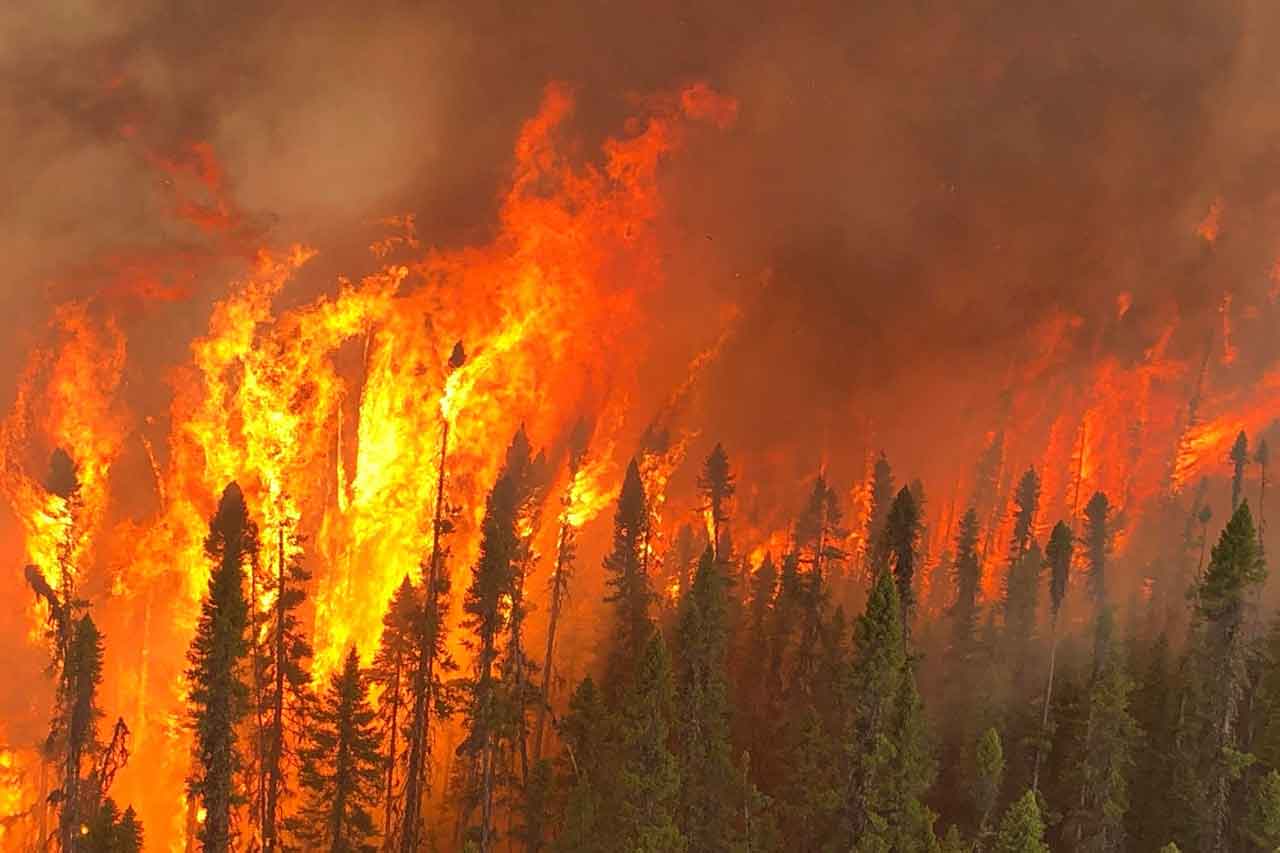
NORTHEAST ONTARIO – WILDFIRE REPORT (July 7, 2025 – 18:15 EDT): The Aviation, Forest Fire and Emergency Services (AFFES) is reporting four new wildland fires in the Northeast Fire Region today, including multiple significant incidents in Cochrane District, where large-scale fires are now under observation.
New Fires – July 7, 2025
-
Haliburton 6 (HAL006):
-
Size: 0.1 hectare
-
Location: Small island on Lingham Lake
-
Status: Being held
-
-
Cochrane 10 (COC010):
-
Size: 32 hectares
-
Location: ~23 km north of Otter River
-
Status: Being observed
-
-
Cochrane 11 (COC011):
-
Size: 69 hectares
-
Location: ~20 km southeast of Severn River
-
Status: Being monitored
-
-
Cochrane 12 (COC012):
-
Size: 109 hectares
-
Location: ~3 km north of the Dickey River
-
Status: Being observed
-
As of this update, six wildland fires remain active in the Northeast Region. One fire is being held, and five are currently under observation.
Current Fire Hazard Conditions
The fire hazard across the central and southern Northeast Region remains low, while conditions in the northern zones range from moderate to high, with localized pockets of extreme fire hazard.
For real-time updates and localized conditions, visit the province’s Interactive Fire Hazard Map.
Stay FireSmart This Summer
Wildfires can pose a serious threat to communities near wildland-urban interfaces — where homes and forests meet. Ontario’s FireSmart program provides actionable advice to help property owners reduce wildfire risks.
Simple actions — like clearing dry brush, using non-combustible landscaping, and maintaining a defensible space — can significantly increase your home’s safety.
➡ Learn more at: Ontario.ca/firesmart
Outdoor Burning Reminder
AFFES reminds all residents to exercise extreme caution with outdoor burning:
-
Only burn between two hours before sunset and two hours after sunrise
-
Always have tools and water on hand to control your fire
-
Prefer alternatives like composting or using a local landfill when disposing of yard debris
Review Ontario’s Outdoor Burning Regulations before lighting any fire.
Report Wildfires Promptly
-
North of French & Mattawa Rivers: Call 310-FIRE (3473)
-
South of French & Mattawa Rivers: Call 9-1-1
Timely reporting can help prevent the spread of wildfires and protect both communities and natural resources.