Aging gracefully isn’t about denying the passage of time—it’s about meeting it with confidence, strength, and the ability to keep doing what you love. Whether it’s walking the dog every morning, tending to your backyard garden, or finally taking that dream hiking trip, staying active is the real marker of healthy aging.
But what happens when your joints start protesting, or your back decides it’s no longer on board with your plans? That’s where expert orthopedic care quietly steps in—not just to treat pain, but to help you extend your active years with less risk, more support, and smarter options.
You don’t have to be an athlete to benefit from orthopedic expertise. In fact, specialists Dr. Roddy McGee work with patients of all activity levels—especially those over 50—who want to avoid surgery, recover faster, and keep their independence intact.
Let’s break down why orthopedic care is one of the most underrated tools for aging well.
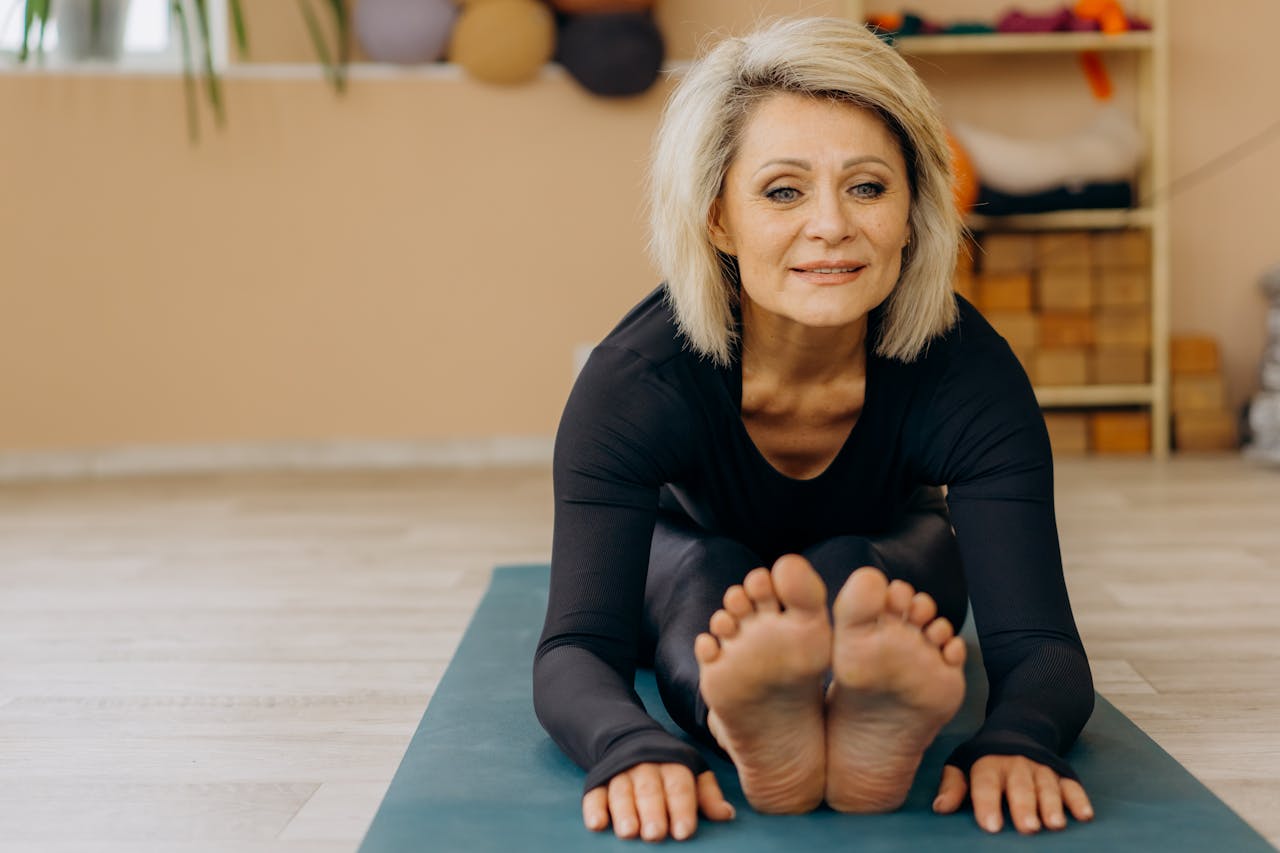
Photo by SHVETS production from Pexels
Aging Doesn’t Have to Mean Slowing Down
We’ve all heard someone say, “It’s just part of getting older” when talking about sore knees or an aching hip. But here’s the thing: pain is not a normal part of aging. It’s a signal. One that shouldn’t be ignored or brushed off.
Yes, joints and muscles naturally change with age. Cartilage thins, bones lose density, and soft tissues lose some elasticity. But that doesn’t mean you’re destined for a life of discomfort or limitations. Expert orthopedic care can assess what’s going on beneath the surface and offer tailored strategies to keep you moving with less pain and more confidence.
The Power of Early Intervention
One of the biggest mistakes people make is waiting too long to seek help. Maybe it starts with occasional stiffness after a round of golf, or a knee that feels “off” when going downstairs. It’s easy to chalk it up to overexertion or poor sleep.
But these little warning signs often hint at something mechanical—like cartilage wear, tendon strain, or early arthritis. Orthopedic doctors are trained to spot these issues early and suggest non-invasive solutions before they spiral into something more serious.
The earlier you intervene, the more options you have. Think braces instead of surgery. Rehab over replacement. Injections that work as boosters, not band-aids.
It’s Not Always About Surgery (And That’s a Good Thing)
People tend to think orthopedic specialists = surgeons. While many are trained to operate, the vast majority of patient care happens without a scalpel.
Modern orthopedic care includes a wide spectrum of options:
- Physical therapy for strengthening and stability
- Cortisone or hyaluronic acid injections to reduce inflammation
- Platelet-rich plasma (PRP) or regenerative medicine for tissue repair
- Lifestyle guidance on posture, ergonomics, and safe exercise
At clinics like Ortho Las Vegas, these non-surgical options are often the first—and most effective—line of defense. The goal isn’t just to manage pain; it’s to restore your ability to move freely without fear.
Staying Active Is the Goal, Not Just the Outcome
Let’s talk about what really matters: independence. The ability to carry groceries, travel, play with grandkids, and say yes to life without hesitation.
Orthopedic care isn’t just about fixing a problem—it’s about preserving function. A stiff shoulder might seem minor, until it keeps you from sleeping comfortably or reaching into cabinets. That nagging hip pain could quietly cause you to walk less, which in turn affects balance, weight, and heart health.
By keeping your musculoskeletal system in good working order, orthopedic care gives you the tools to stay engaged in life. It’s a form of maintenance, not just repair.
Your Bones Are Aging Too—And They Need a Plan
Let’s not forget what holds everything together: your bones. After 50, bone density naturally declines, especially in postmenopausal women. That raises the risk of fractures from seemingly minor falls.
Orthopedic specialists often work hand-in-hand with primary care physicians to monitor bone health and reduce the risk of osteoporosis. This might include:
- Bone density scans (DEXA)
- Calcium and vitamin D supplementation
- Fall-risk assessments
- Balance and strength training programs
When it comes to protecting your skeleton, prevention always beats correction.
Arthritis Isn’t Inevitable—But It Is Manageable
It’s true that arthritis becomes more common with age, particularly osteoarthritis—the kind caused by wear and tear. But a diagnosis doesn’t mean you’re doomed to stiffness or surgery.
Expert orthopedic care offers multiple ways to manage arthritis without jumping straight to joint replacement. From targeted exercise to joint-preserving procedures, the goal is to reduce inflammation, maintain motion, and slow down progression.
Some clinics also offer newer treatments like stem cell therapy or PRP injections, which may help promote healing in certain joints. The right care plan depends on your lifestyle, goals, and current joint health—not your age alone.
Custom Solutions for a Custom Life
One of the best things about working with an orthopedic expert is personalization. Your care isn’t based on generic age brackets or assumptions—it’s built around you.
Whether you’re a former marathoner with a tricky knee or a weekend hiker trying to avoid foot pain, a specialist will consider your activity level, anatomy, and goals. That might mean building a rehab plan that targets weak glutes, adjusting your walking posture, or simply choosing better shoes.
At this stage of life, it’s not about being the fittest in the room—it’s about having the freedom to do the things that bring you joy, without your body holding you back.
How to Know When It’s Time to See a Specialist
So how do you know if it’s time to book an orthopedic consult?
Here are a few signs:
- Pain that lasts more than a few weeks or keeps coming back
- Limited range of motion in a joint (e.g., can’t lift your arm or bend your knee fully)
- Trouble with balance or frequent tripping
- Swelling, clicking, or locking in a joint
- Difficulty doing normal daily tasks
If any of these feel familiar, it’s not overreacting to seek help. It’s being smart about your long-term health.
Orthopedic Care Is Part of Aging Proactively
More people over 50 are rethinking what aging looks like—and orthopedic care is quietly becoming part of that conversation. Just as you see a cardiologist to keep your heart in check or a dermatologist for skin screenings, an orthopedic consult is a smart, proactive step.
It’s not about fixing what’s broken. It’s about strengthening what still works and protecting it for the long haul.
Final Thoughts: Your Next Chapter Deserves a Strong Foundation
Graceful aging isn’t passive—it’s intentional. It’s about building a foundation that lets you keep showing up for the people, hobbies, and experiences that matter most.
Expert orthopedic care won’t reverse time. But it can absolutely give you more of what you value: strength, movement, energy, and confidence.
And that, more than anything, is the real definition of aging well.