Cool, Unsettled Pattern with Flurries Lingering
THUNDER BAY – WEATHER DESK – A broad stretch of Northern Ontario, including remote and coastal First Nations communities, is experiencing a return to colder-than-normal early May weather. A low-pressure system is bringing gusty winds, mixed precipitation, and below-seasonal temperatures, especially across the north and James Bay coast.
Regional Overview
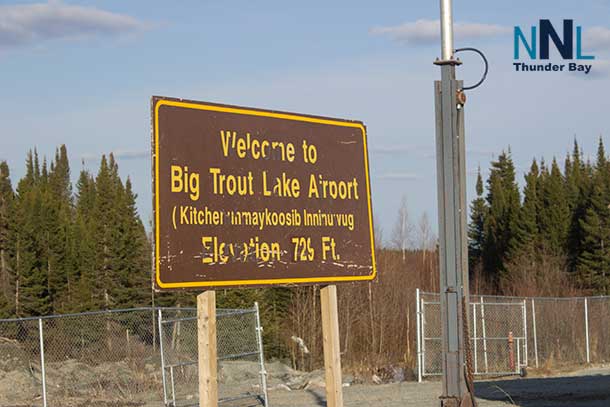
Sandy Lake First Nation & Kitchenuhmaykoosib Inninuwug (KI)
These inland northern communities are seeing a late-season cold snap:
- Daytime highs: 2°C to 6°C
- Overnight lows: -5°C to -2°C
- Conditions: Flurries mixed with rain showers, especially mornings
- Winds: Northwest 20–40 km/h, gusty at times
Expect periodic flurries through midweek, with limited sunshine. Conditions begin improving slightly by Friday with a mix of sun and cloud and temperatures climbing toward 10°C+.
Marten Falls First Nation & Eabametoong First Nation
Further south but still firmly in the northern weather zone:
- Highs: 3°C to 8°C
- Lows: -4°C to -1°C
- Conditions: Rain showers changing to flurries, especially at night
- Winds: Gusts up to 50–60 km/h early in the week
Roads, airstrips, and travel conditions may be impacted at times by reduced visibility in flurries and gusty winds. Gradual warming is expected by the weekend.
Fort Severn First Nation (James Bay Coast)
Along the coast, spring remains firmly delayed:
- Highs: 0°C to 4°C
- Lows: -6°C to -3°C
- Conditions: Persistent flurries and cloudy skies
- Winds: Strong north to northwest winds off Hudson Bay
The cold marine influence is keeping temperatures near freezing, with wind chills well below zero, especially overnight.
Key Weather Highlights
- Colder than normal across all regions
- Flurries common, even into early May
- Strong winds early in the week, easing by midweek
- Gradual warming trend heading into Friday and the weekend
Community Impact & Recommendations
- Dress for winter-like conditions, especially mornings and evenings
- Be cautious when travelling—gusty winds and flurries can reduce visibility
- Ensure heating systems and supplies remain ready, especially in northern and coastal communities
- Aviation operations may see periodic delays due to weather variability
Weather Trivia
In Northern Ontario’s far north, it’s not unusual for snowfall to persist into May. Coastal communities like Fort Severn often see ice and snow well into spring due to the cooling effects of Hudson and James Bay.
Weather Summary
Northern Ontario First Nations weather report: Cold, windy, and unsettled conditions with flurries across Sandy Lake, KI, Fort Severn, Marten Falls, and Fort Hope. Gradual warming later this week.