B.C. bid to suspend parts of DRIPA opens new fault line in Indigenous rights debate
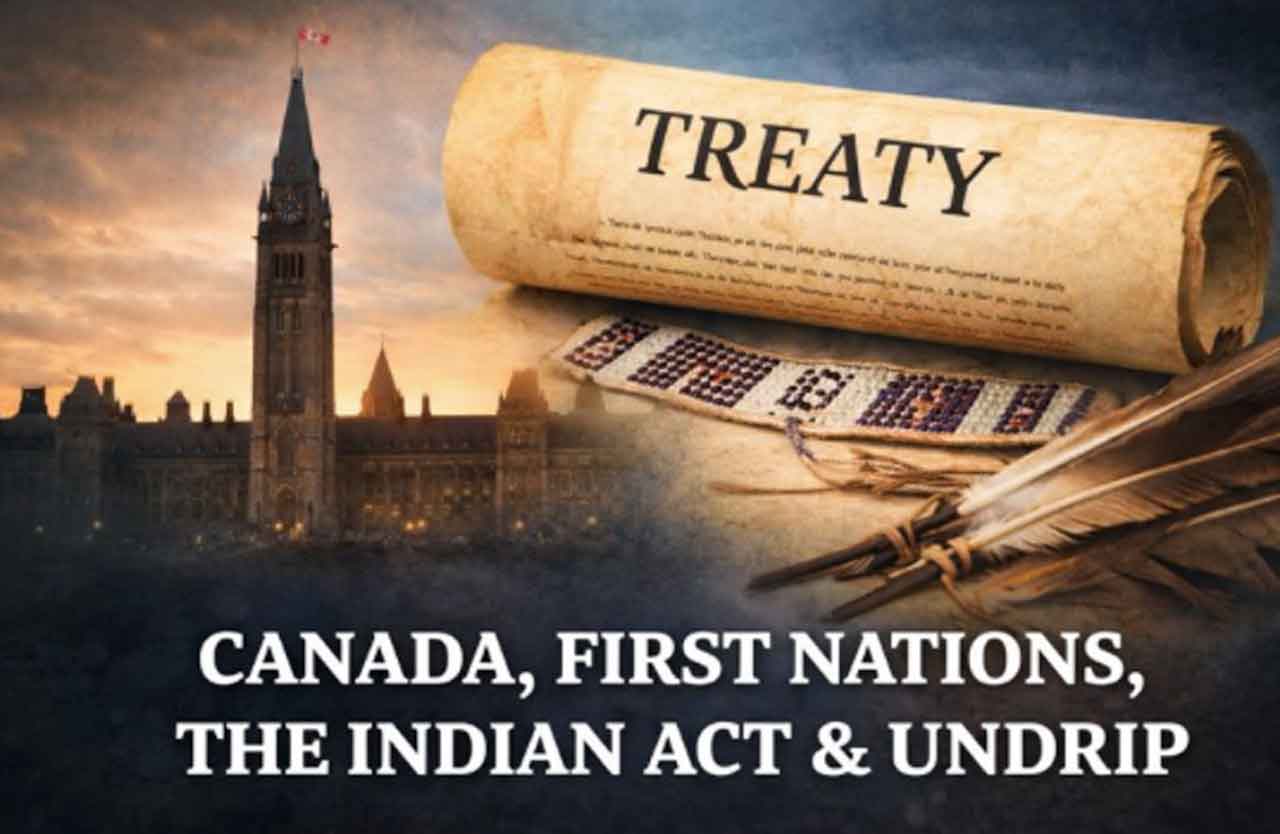
THUNDER BAY – British Columbia Premier David Eby says he is prepared to stake his government on legislation that would suspend key parts of the Declaration on the Rights of Indigenous Peoples Act, or DRIPA, for up to three years while the province pursues a Supreme Court of Canada appeal in the Gitxaała mineral tenure case. Eby has called the proposal the “least invasive” way to limit what his government sees as sweeping legal risk after recent court rulings on the reach of the law.
For Indigenous readers in Thunder Bay and Northwestern Ontario, the fight matters even though B.C.’s law does not apply in Ontario.
It is unfolding at the same time Ontario is accelerating roadbuilding tied to the Ring of Fire and while a federal regional assessment, co-led with 15 First Nations, continues in the mineral belt about 540 kilometres northeast of Thunder Bay.
The larger question is one northern communities know well: how governments balance critical-mineral development, Indigenous rights, consultation and consent. That local relevance is an inference from the parallel development pressures in both provinces.
What British Columbia is trying to pause — and why it matters
The proposed legislation has not yet been tabled publicly, and Eby has not publicly identified every section he wants suspended. But reporting based on documents and transcripts shared with First Nations says the contemplated pause would reach some of DRIPA’s core provisions, along with section 8.1(3) of B.C.’s Interpretation Act. That is the clause that says every provincial Act and regulation must be construed as being consistent with the Declaration.
Those provisions are central to how DRIPA works. B.C.’s statute says nothing in the Act should be read as delaying the application of the Declaration to provincial laws. It also requires the government, in consultation and co-operation with Indigenous peoples, to take all measures necessary to ensure B.C. laws are consistent with the Declaration, to prepare and implement an action plan and to report annually on progress. In plain terms, the proposed pause is not a minor technical edit.
It goes to the enforcement spine of the law.
Eby has also said other parts of DRIPA would remain in force, including sections that allow agreements and shared decision-making arrangements between the province and Indigenous governing bodies.
That distinction matters politically: the government is arguing it is not repealing the law outright, while opponents say suspending the accountability pieces would still hollow out its practical effect.
The Gitxaała decision changed the legal landscape
The immediate pressure on the B.C. government comes from the Court of Appeal’s Dec. 5, 2025 ruling in Gitxaała v. British Columbia (Chief Gold Commissioner). Legal summaries of that judgment say the court found B.C.’s mineral claims regime inconsistent with article 32(2) of the United Nations Declaration on the Rights of Indigenous Peoples because the regime allowed mineral claims to be registered without consultation.
Those same summaries say the court treated the Declaration as part of B.C. law with immediate legal effect. The province’s application for leave to appeal was filed at the Supreme Court of Canada on Feb. 3, 2026, and the file remains active.
That helps explain why Eby is framing the issue as urgent. If the courts can test whether provincial laws are consistent with the Declaration, then B.C.’s mining, land-use and regulatory frameworks could face broader challenges. The province’s response is to try to freeze the provisions that give those arguments their strongest statutory footing until the top court decides whether it will hear the case and, if so, rules on it.
First Nations leaders say the province is backtracking
The backlash from First Nations leadership has been sharp and unusually unified. The First Nations Leadership Council has said proposed amendments would “deeply compromise” the Declaration Act, and its public campaign page says more than 100 First Nations leaders and organizations oppose weakening the legislation. A March 24 communiqué said First Nations had indicated unequivocal opposition to the draft amendments.
That opposition carried into Eby’s April 2 meeting with leaders. Reporting after the meeting described “complete opposition” from attendees, while a leaked transcript later showed speaker after speaker condemning the proposal as a betrayal of reconciliation commitments.
The politics here are not just about one legal clause or one mining case. For many First Nations, the proposed suspension reads as a test of whether governments will stand behind rights-based legislation once courts begin to give it real force.
A law once celebrated as a model is now under strain
That is what makes this moment so significant. DRIPA was passed unanimously in the B.C. legislature on Nov. 26, 2019, and came into force on Nov. 29, 2019, making British Columbia the first jurisdiction in Canada to formally adopt the internationally recognized standards of the Declaration as a provincial framework for reconciliation. The province’s own materials say the law was meant to align provincial laws with the Declaration, create a five-year action plan and require annual public reporting.
In other words, the law was designed as a structural promise, not simply a symbolic one. It was supposed to change how the province makes, interprets and applies laws touching lands, resources and Indigenous rights. That is why the current fight is so consequential: suspending key provisions would amount to a pause in the machinery that was built to turn reconciliation language into legal practice.
Why this matters in Thunder Bay and Northwestern Ontario
Northwestern Ontario has its own live debate over the pace and terms of resource development. Ontario says it wants to accelerate more than 500 kilometres of all-season roads into the Ring of Fire, while the federal regional assessment for that area remains in progress with Indigenous partners co-leading the work. That region sits about 540 kilometres northeast of Thunder Bay and is already central to the North’s economic future, environmental debate and Indigenous-Crown relations.
There is an important legal difference: Canada’s federal UN Declaration Act still requires Ottawa, in consultation and co-operation with Indigenous peoples, to take all measures necessary to ensure federal laws are consistent with the Declaration, while provincial approaches remain their own. But politically, the B.C. fight is a warning shot for every jurisdiction trying to fast-track mining and infrastructure without reopening the larger question of Indigenous authority over land and resources. For Thunder Bay, that means this is not just a West Coast story. It is a developing national test of how far governments will go to preserve development timelines when rights-based laws begin to bite. The last point is an inference based on the cited federal and provincial frameworks and the active resource push in northern Ontario.
This story is still moving.
The proposed B.C. legislation has not been publicly tabled, the Supreme Court of Canada has not yet decided whether it will hear the Gitxaała appeal, and First Nations leaders are continuing to weigh political and legal responses. But one reality is already clear: a law once presented as a national model for implementing Indigenous rights is now being partially frozen by the very province that championed it.