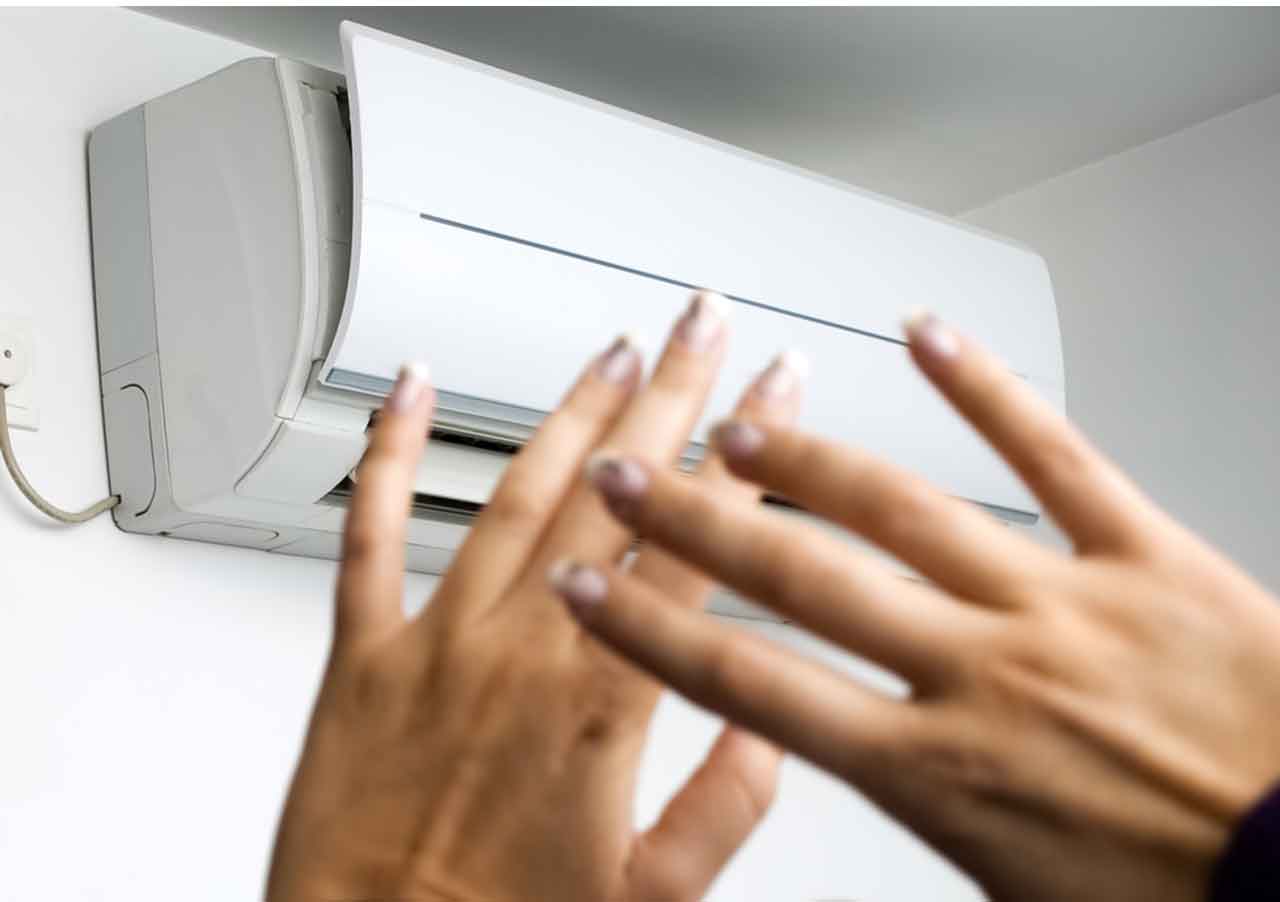
As summer temperatures continue breaking records across the country, millions of homeowners are searching for affordable ways to keep their homes cool without sending their electricity bills sky-high. Experts say the good news is that some of the most effective solutions don’t require major renovations or expensive equipment — just a few smart investments and some strategic thinking.
Smart Thermostats: Small Device, Big Savings
One of the highest-return upgrades a homeowner can make is installing a smart thermostat. Devices from brands like Nest, Ecobee, and Honeywell typically run between $100 and $250, and many utility companies offer rebates that can cut that cost significantly. According to the U.S. Department of Energy, homeowners who program their thermostats to raise temperatures by seven to ten degrees for eight hours a day — such as during work hours — can save as much as 10 percent annually on heating and cooling costs.
Smart thermostats go a step further by learning household routines and adjusting automatically. Some models can also be controlled remotely via smartphone, allowing homeowners to pre-cool a house just before returning from work rather than running the air conditioner all day at full blast.
Ceiling Fans: The Underrated Workhorse of Home Cooling
Ceiling fans remain one of the most cost-effective cooling tools available, yet many homeowners underestimate their impact. The best ceiling fans use roughly the same amount of electricity as a 60-watt light bulb — a fraction of what central air conditioning consumes — and when used correctly, can make a room feel up to four degrees cooler.
The key is making sure the fan spins counterclockwise during summer months, which pushes cooler air downward and creates a wind-chill effect on occupants. Many homeowners are unaware that most fans include a switch on the motor housing to reverse direction. Energy specialists also stress that fans cool people, not rooms, so turning them off when leaving a space prevents unnecessary energy use.
When paired with air conditioning, ceiling fans allow homeowners to raise the thermostat setting by several degrees without sacrificing comfort — a combination that can meaningfully reduce monthly utility costs over the course of a long summer.
Shade Trees: Nature’s Built-In Air Conditioner
Planting shade trees is one of the oldest and most effective strategies for keeping a home cool, and the benefits compound over time. The U.S. Forest Service estimates that strategically placed trees can reduce residential air conditioning costs by anywhere from 15 to 50 percent. Deciduous trees planted on the south and west sides of a home provide maximum shade during summer months while allowing sunlight through in winter after the leaves fall.
Fast-growing species like red maples, tulip poplars, and river birches can provide meaningful shade within just a few years. Many municipalities and utility companies also offer free or subsidized tree programs for residential customers, making the upfront investment even more accessible.
Other Low-Cost Measures Worth Considering
Beyond thermostats, fans, and landscaping, energy experts point to several other affordable upgrades that can make a substantial difference. Sealing air leaks around windows and doors with weatherstripping or caulk is one of the lowest-cost interventions available, with materials typically running under $30 for an entire home. Adding reflective window film to sun-facing windows can block a significant portion of solar heat gain without darkening a room. Attic insulation, while a larger upfront investment, pays for itself over several summers by preventing heat from radiating down into living spaces.
Energy advocates say the most important step homeowners can take is to audit where their home is losing the battle against heat before spending money on any single upgrade. Many utilities offer free home energy assessments that can pinpoint the most cost-effective improvements for a specific house. With summer temperatures showing no sign of moderating in coming years, experts say taking action now — even with modest investments — can translate to years of lower bills and more comfortable living.