New-age architectural trends emphasize fluid spaces where dining, kitchen, and living areas blend into a single cohesive ambience. Homeowners today seek a visual change that removes any harsh boundaries seen in conventional utility-focused cooking areas.
Therefore, when designing an open-concept flow kitchen, you need to change your mindset first. Here, cabinets should be treated as furniture rather than boxes. This smart approach ensures the kitchen space becomes an extension of a classy living room décor.
- Incorporating lavish kitchen cabinets as your furniture
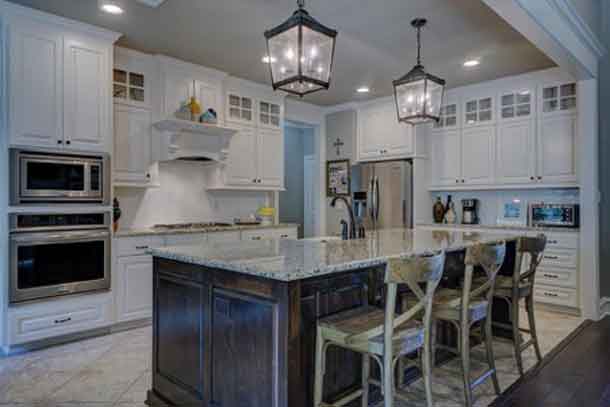
Do you want a high-quality, premium look? If so, you should choose luxury kitchen cabinets that reflect the craftsmanship available in dining furniture and a premium lounge. You should consider using decorative furniture legs and inset door styles to give the island a custom-carved sideboard look. Selecting mate finishes and rich wood grains enables the cabinetry to sit firmly against the interior walls without appearing like an industrial workspace. Furthermore, the design can create a welcoming ambience that balances classy residential aesthetics with functional storage.
- The concept of material harmony
A smooth flow depends largely on using a consistent palette of materials that ‘travel’ throughout the open-concept floor plan. For this reason, high-quality wood types, such as walnut or white oak, should be chosen to complement existing coffee tables and media consoles. Using the same hardware finishes for both your kitchen and your built-in shelving will help create an understated yet strong sense of intentionality. If the materials are perfectly aligned, your kitchen will no longer feel like a separate compartment in your home. Instead, your kitchen will become the very essence of your home.
- Visual silence and hidden functionality
Elegance should be created primarily at the design stage by considering what you want to display versus what you wish to cover. Concealing small kitchen items, such as the microwave, extra dishes, and appliances, will create an unobstructed, clean visual plane in an open-concept home. An integral part of achieving a clean visual plane is using integrated appliance panels to disguise appliances and eliminate cold-looking stainless-steel bells and whistles from disrupting the visual flow of your space. Pocket doors can also be used to conceal countertop or table appliances, allowing you to use the countertop or table as a decorative piece. Visual silence highlights the texture of your cabinets as your main focal point.
- Light in the transition areas
The final piece of your beautiful and functional design is lighting. Integrate your kitchen and living areas with layered illumination, such as LED strips installed in the glass fronts of your cabinets to mimic a hutch. You can hang pendant lights over the island that coordinate with the dining room chandelier for a cohesive overhead design language. All lighting should create a soft, sophisticated transition from cooking to relaxation at any time of day.
Conclusion
Finally, when an open kitchen removes walls, it is possible to define the kitchen space by using classy detailing, such as customized crown moulding. Extending the cabinetry to the ceiling creates a sense of scale that can mirror the structural built-ins found in ancient, lavish estates. Using wrap-around end panels ensures that each visible angle of the cabinet appears polished, finished, and completely international. Such minute detailing can transform your kitchen into a curated space that adds value to your entire home.