Fort Frances drug probe leads to charges against three area residents
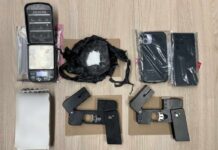
FORT FRANCES — Three area residents are facing drug trafficking and other charges after Rainy River District OPP officers executed a warrant in Fort Frances on Friday, March 27. Police say officers seized fentanyl, methamphetamine, Canadian currency and other evidence consistent with drug trafficking.
The case carries broader significance across Northwestern Ontario, where public health officials have warned that the local unregulated drug supply has become more dangerous, including crystal meth testing positive for fentanyl and a rise in poisonings and overdose deaths.
Joint street crime investigation leads to Fort Frances arrests
According to police, the Rainy River District OPP Community Street Crime Unit was assisted by the Dryden OPP CSCU, the Kenora OPP Organized Crime Enforcement Bureau, the Provincial Operations Intelligence Bureau and the Treaty Three Police Street Crime Unit during the search.
Christopher Pattison, 37, of Fort Frances, is charged with two counts of possession of a Schedule I substance for the purpose of trafficking — fentanyl and methamphetamine — along with possession of proceeds of property obtained by crime under $5,000, resisting a peace officer and possession of a firearm or ammunition contrary to a prohibition order.
Megan Kawulia, 36, of Fort Frances, is charged with two counts of possession of a Schedule I substance for the purpose of trafficking — fentanyl and methamphetamine — and possession of proceeds of property obtained by crime under $5,000.
Cassidy Bruyere, 29, of Couchiching First Nation, is charged with two counts of possession of a Schedule I substance for the purpose of trafficking — fentanyl and methamphetamine — and possession of proceeds of property obtained by crime under $5,000.
Police say all three accused are scheduled to appear before the Ontario Court of Justice in Fort Frances at a later date.
All charges have yet to be tested in court. All accused are presumed innocent unless proven guilty in a court of law.
Why this matters in Northwestern Ontario
This case is more than a local police brief. Fort Frances sits in the Rainy River district, part of the Northwestern Health Unit’s catchment area, which covers the entire district and includes 39 First Nations communities.
When fentanyl and methamphetamine are seized together in that setting, it speaks to a wider regional problem facing border communities, Indigenous communities and frontline health services across Northwestern Ontario. The health unit said in a late-2025 warning that drugs sold in the region were increasingly mixed or contaminated, including methamphetamine testing positive for fentanyl.
Legal context on the charges
The trafficking allegations would ordinarily proceed under section 5(2) of the Controlled Drugs and Substances Act, which makes it an offence to possess a controlled substance for the purpose of trafficking. Because fentanyl and methamphetamine are both listed in Schedule I, a conviction on an indictable count carries a maximum penalty of life imprisonment.
Since discharges are not available for offences punishable by life, that sentencing option would not apply to those counts if there were convictions.
The proceeds count is tied to section 354(1) of the Criminal Code, which deals with possessing property or proceeds while knowing they were obtained directly or indirectly from an indictable offence.
Where the value is alleged to be $5,000 or less, section 355 sets the maximum punishment at two years if the Crown proceeds by indictment. If the Crown proceeds summarily, the general summary-conviction ceiling is a fine of up to $5,000, up to two years less a day in jail, or both.
The resisting charge relates to section 129(a) of the Criminal Code, which covers resisting or wilfully obstructing a peace officer in the execution of duty. That offence also carries a maximum of two years if prosecuted by indictment, or a summary-conviction penalty if the Crown elects to proceed that way.
The firearm-or-ammunition allegation is connected to section 117.01(1) of the Criminal Code. In plain language, that section makes it an offence to possess a firearm or ammunition while already prohibited from doing so by a court order. It is a hybrid offence, carrying a maximum sentence of 10 years if prosecuted by indictment, or a summary-conviction sentence if prosecuted summarily.
If there are convictions, the final sentence would depend on the Crown’s election and the court’s assessment of aggravating and mitigating factors. Canadian sentencing law also directs judges to consider restraint where appropriate and to pay particular attention to the circumstances of Indigenous offenders.
Police seek public assistance
Anyone with information about illicit drug trafficking is asked to call the OPP at 1-888-310-1122. Anonymous tips can also be provided through Crime Stoppers at 1-800-222-8477.