Global demand for industrial metals and renewable energy is accelerating in early 2026. Copper and silver are a major part of this shift, supporting large-scale infrastructure, advanced technologies, and evolving investment plans. At the same time, solar energy is becoming a more common consideration in how industries assess long-term efficiency and sustainability.
The International Energy Agency says solar capacity worldwide is expected to increase by almost 20% in 2026, reflecting the speed of this transition and the scale of new deployment.
Copper and silver market activity is driven by a mix of supply dynamics and global events. Mining output, geopolitical developments, and industrial demand all impact pricing and futures markets. Vancouver-based commodity expert Lucas Birdsall notes that even small changes in these areas can have big effects.
“Small changes in supply or policy can quickly move through the market and impact pricing expectations,” he says. “Staying informed helps investors and companies make better decisions.”
Trading platforms COMEX and DBX offer insight into market supply and pricing changes. These exchanges are commonly used by traders looking for risk management and opportunities.
“Futures markets reflect how industries are planning ahead,” says Birdsall. “Production data gives important context for knowing those movements.”
This link explains why futures prices often move before visible changes occur in physical markets.
Energy demand is also forming infrastructure decisions, especially in industries that heavily depend on power. Data centres are an example, with constant energy needs to support digital operations. Solar energy is becoming a way to address cost and environmental issues.
“Solar integration is becoming a practical solution for lowering energy costs while improving sustainability,” says Birdsall. “More companies are starting to add it to their infrastructure from the beginning.”
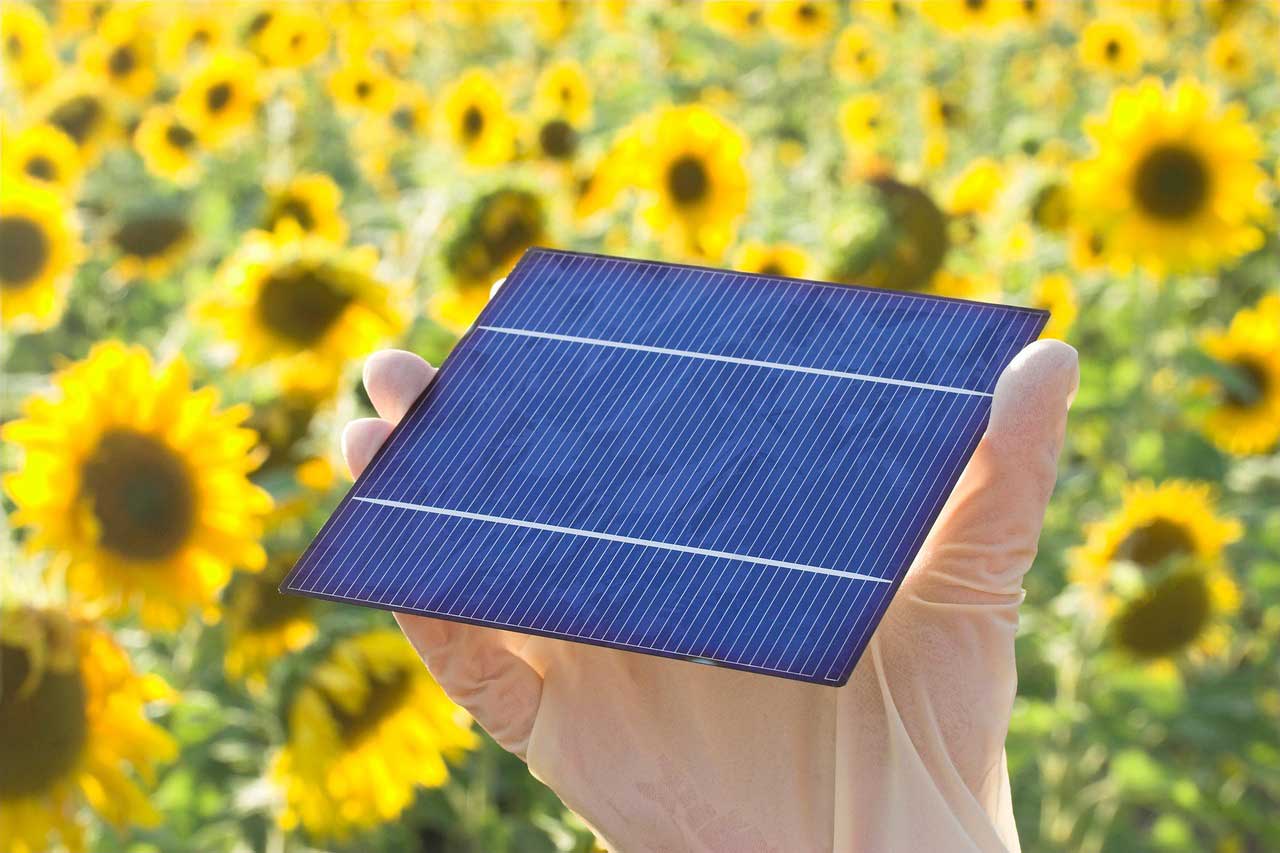
The rise of renewable energy stems from increased demand for copper and silver. Copper is essential for electrical systems, wiring, and power transmission, while silver is used in solar panels and other clean technologies. As adoption grows, demand for these materials is expected to follow. Industry projections suggest that renewable energy deployment alone could lift copper demand by millions of tonnes over the next 10 years.
“As more people start to use solar, the need for these metals will increase,” says Birdsall. “That has long-term implications for supply, pricing, and investment plans.”
Investors are paying attention to both short-term market changes and wider industry trends. Copper and silver prices can be volatile month to month, but long‑term patterns often reflect deeper shifts in technology use and energy planning. Birdsall encourages a wider view that extends beyond futures markets alone.
“Looking at pricing without considering production and technology trends only tells part of the story,” he says. “A more complete view leads to better decisions.”
Businesses in different industries are already adjusting to these changes. Infrastructure developers, technology firms, and finance companies are matching their strategies to resource demand and renewable energy growth. This method helps improve efficiency while addressing sustainability goals.
The connection between metals and clean energy is becoming more important as infrastructure changes. Copper, silver, and solar energy are now part of the same conversation. By paying attention to how these elements interact, companies and investors can better position themselves for what comes next.