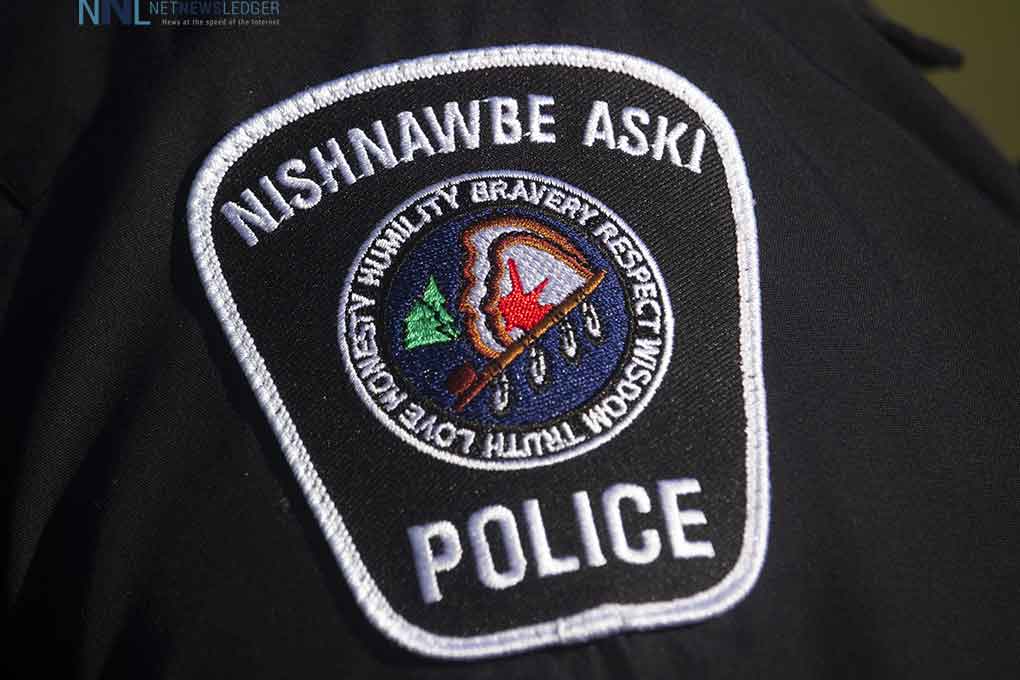
Five Charged After North Spirit Lake First Nation Drug Search Nets Suspected Crack Cocaine
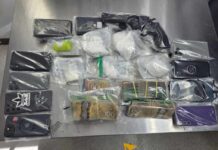
NORTH SPIRIT LAKE FIRST NATION — Five people are facing charges after Nishnawbe Aski Police Service officers executed two search warrants at homes in North Spirit Lake First Nation and seized suspected crack cocaine with an estimated street value of nearly $65,000, along with more than $3,900 in cash and items police say were consistent with drug trafficking. The case matters across Northwestern Ontario, including Thunder Bay, because NAPS policing reaches 34 First Nation communities across Northern Ontario, and drug investigations in remote fly-in and winter-road communities can have broad impacts on community safety, health services and regional policing resources. None of the allegations has been proven in court, and all accused are presumed innocent unless proven guilty.
Search warrants executed after trafficking investigation
Police say members of the NAPS Intelligence Unit, assisted by the emergency response team and K9 unit, carried out the searches on Sunday, March 15, as part of an ongoing investigation into suspected drug trafficking in the community. Roberta Oombash, 34, of North Spirit Lake First Nation, is charged with possession of cocaine for the purpose of trafficking. A 45-year-old man and a 51-year-old woman from the community each face the same trafficking-related cocaine charge, while the 51-year-old woman and a 40-year-old man are also charged with possession of proceeds of property obtained by crime under $5,000. A 33-year-old man is charged with possession of proceeds of property obtained by crime under $5,000. Oombash appeared for a bail hearing on Monday, March 16, and was remanded in custody with a future court date. Police say the other four accused were released with conditions and future appearance dates. Their names are being withheld because, police said, the charges had not yet been formally sworn before the courts.
What the cocaine trafficking charge means
The charge of possession of cocaine for the purpose of trafficking falls under Section 5(2) of the Controlled Drugs and Substances Act. It alleges that a person possessed a controlled substance not simply for personal use, but for trafficking. Cocaine is listed as a Schedule I substance under the federal law. Because cocaine is a Schedule I drug, a conviction on that charge carries a maximum penalty of life imprisonment. There is no longer a mandatory minimum sentence in the statute, but the offence remains among the most serious drug charges in Canadian law, and the actual sentence can vary widely depending on the quantity of drugs, the accused’s role, prior record, community harm and other aggravating or mitigating factors considered by the court.
What the proceeds-of-crime charge means
The proceeds charge is rooted in Section 354(1) of the Criminal Code. It alleges a person possessed money or other property knowing it was obtained directly or indirectly through the commission of an indictable offence. When the value involved is under $5,000, the punishment section is Section 355(b). On conviction, that offence can be prosecuted by indictment with a maximum sentence of two years in jail, or by summary conviction, which carries a lower sentencing range. In practical terms, the allegation is aimed at cash or property that police believe is tied to criminal activity rather than lawfully earned income.
Why this case matters in Northwestern Ontario
North Spirit Lake First Nation is a remote Oji-Cree community north of Red Lake, connected by air for much of the year and by winter road on a seasonal basis. That reality shapes both policing and community safety. Transport Canada notes that many remote northern communities depend on air service for essential goods, medical access and first responders, while NAPS says it provides policing across a vast territory spanning almost two-thirds of Ontario. In its annual reporting, the police service has also said the continued influx of drugs and alcohol into communities has been increasing call volumes tied to violent crime. That broader context helps explain why drug-trafficking investigations in remote communities draw attention well beyond any single detachment area, including in Thunder Bay, where regional institutions, services and news coverage often converge.
Investigation remains ongoing
Police say the investigation is continuing. As with all criminal cases, the charges now move through the court process, where the Crown must prove the allegations beyond a reasonable doubt.