I was happy to see our First Nation youth continue to speak out against proposed mining development in the far north in the so-called Ring of Fire region.
These past few weeks, it was good to see Jeronimo Kataquapit, the founder of the ‘Here We Stand – Call To Action’, continue his fight against proposed mining developments near the Attawapiskat River in the Ring of Fire mining region. I was proud to see him stand with his cousin Ramon Kataquapit, co-founder of Okiniwak, a national youth-led movement uniting First Nations youth to advocate for equity and equality.
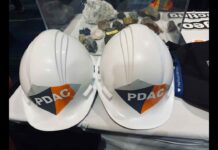
It was encouraging to watch and listen to the events they held this past week, which showed that they are present and want to be heard. They made an appearance in Toronto outside of the world-famous Prospectors & Developers Association of Canada (PDAC) annual convention which was held in the city in the first week of March. It was important for these young First Nation advocates and protectors of the land to make themselves known at this prestigious mining conference which brings together billion-dollar companies, investors and professionals in the industry.
Jeronimo and Ramon were joined outside the PDAC event by representatives from Neskantaga FN, a community that is situated on Attawapiskat Lake. They were also joined by 8th Fire Rising (an Indigenous-led coalition working to build a broad-based movement with labour and land defenders), Congo Accountability Network, Sudan Solidarity Collective, Anakbayan (a democratic mass organization of the Filipino youth based in Toronto) and the Toronto chapter of the ‘World Beyond War’ global movement.
During this major mining event week in the city, Jeronimo, Ramon and their supporters also stood with Neskantaga Chief Gary Quisess and his community members as they held a press conference with Sol Mamakwa, Member of Provincial Parliament (MPP) for Kiiwetinoong.
Neskantaga FN leadership has stated that they have not had meaningful discussions with the Ontario government over the future of the Ring of Fire mining region which would directly affect their traditional territory along the Attawapiskat River. Mamakwa repeated the message that ‘The Ring of Fire will not happen without the free, prior and informed consent of the people that live in these homelands’.
It was an exciting week of events to watch these land defenders. Jeronimo and Ramon also met with other Indigenous leaders like Russ Diabo, a life long First Nation political leader and advocate from Kahnawake Mohawk Nation near Montreal; Kanahus Manuel, of Secwepemc Nation in British Columbia, who is a land defender involved in protests against the Trans Mountain pipeline in BC and Eve Saint, a Wet’suwet’en land defender who protested against the Coastal GasLink pipeline in northern BC which passed through her people’s traditional lands.
It’s important to remember that even though billions of dollars of investment may pour into developments like those proposed in the Ring of Fire in northern Ontario, it will cause untold disturbances, disruptions and damage to vast tracks of pristine, untouched lands as well as decades and even centuries of time for the environment to recover.
According to the Wildlife Conservation Society of Canada, the Hudson Bay Lowlands, which stretches across far northern Ontario and into the Ring of Fire region, is known as the second-largest peatland complex on the globe, storing between 30 and 39 billion tonnes of soil carbon. The unknown danger that can be caused by development in this region is in how these large mining projects will disrupt or destroy this enormous carbon storage system. Conservationists have sounded the alarm about how this region is already being affected by global warming, and they warn that further study and careful planning are needed to properly protect this land from further or accelerated degradation. Disrupting the Hudson Bay Lowlands will not only mean losing this large carbon capture system but it would also release the trapped carbon held within the peatland, further accelerating global warming.
The message Jeronimo keeps repeating is one I have often heard from our people, especially from our Elders, during my lifetime. It’s a message I often heard from Jeronimo’s father James Kataquapit, his late grandfather Alex Kataquapit and his late great-grandfather James Kataquapit Sr.
The message that we should not do anything to severely disturb, disrupt or destroy the land or the water we live on. Our traditional lifestyle does take from the land but only in proportion to what we need to survive and nothing more.
The lesson our Elders always reminded us is that once we take more than we need or take more out of sheer greed, it not only destroys our lives but also the lives of future generations.
This is a message that our people have known forever. It makes me feel happy to know that our young people are using that knowledge to defend the land they inherited from their ancestors in order to protect it for all our descendants in the future.