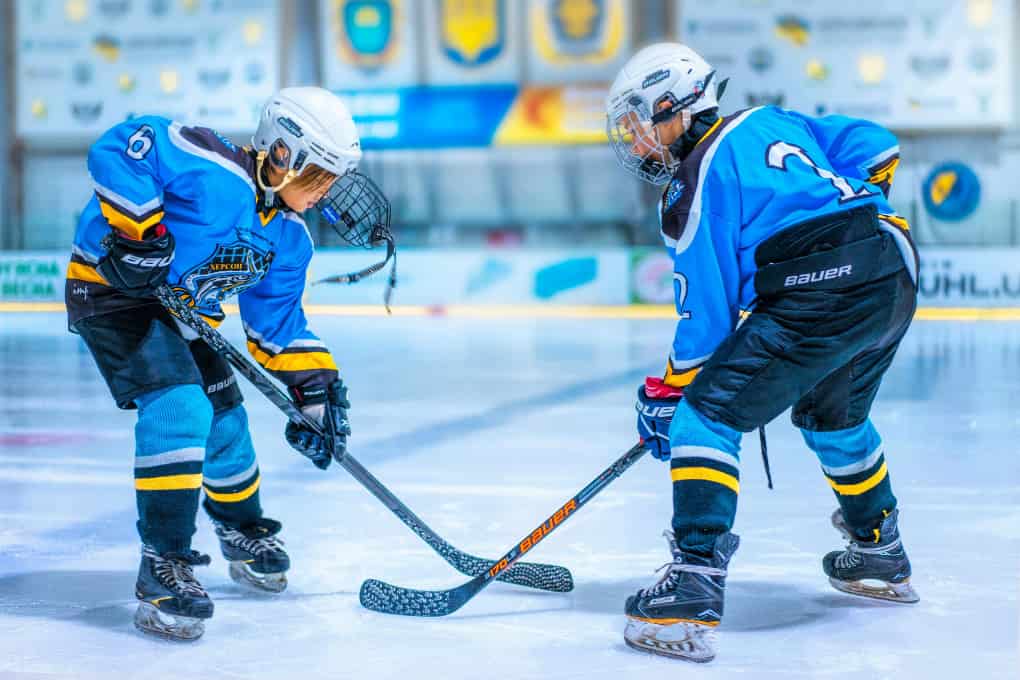
Ice hockey demands speed, strength, quick thinking, and precise coordination. Coaches and athletes constantly search for methods that improve preparation and support consistent performance on the ice. Over the last decade, training technology has changed how players develop physical skills, analyze performance, and reduce injury risk.
Online casinos represent a segment of the digital entertainment industry that relies heavily on technology, data systems, and real-time interaction with users. Platforms such as AFKSpin Casino illustrate how modern digital infrastructure manages user accounts, game statistics, and secure transactions in a structured environment. Although online gaming platforms operate in a different field than sports training, both areas depend on data collection, performance metrics, and continuous system monitoring. These digital processes demonstrate how modern technology organizes large amounts of information and tracks user activity with precision.
Modern tools in sports preparation help coaches track movement, measure effort, and examine patterns that appear during practice or competition. Players gain access to data that shows how their body reacts during drills, skating sessions, and recovery periods. As a result, preparation for ice hockey now includes digital systems, motion analysis, and structured monitoring that support better planning and evaluation.
These developments do not replace traditional coaching. Instead, they support decisions with measurable information and clear feedback. Teams and athletes now rely on data-driven preparation that focuses on precision and accountability.
Data Tracking in Player Development
Athletic preparation once relied mostly on observation and experience. Coaches watched skating speed, endurance, and positioning. Today, digital tracking tools add measurable data that helps coaches understand performance more accurately.
Sensors and wearable devices track movement patterns during training sessions. They record skating speed, acceleration, heart rate, and workload. Coaches review this information after practice and adjust drills according to the results.
This approach helps identify areas that require improvement. For example, a player may skate quickly during short sprints but lose speed during longer shifts. Data tracking highlights this pattern and allows the coaching staff to design drills that build endurance without reducing agility.
Athletes also benefit from direct feedback. Instead of relying only on verbal instructions, they see clear numbers that show progress. This method increases awareness and encourages disciplined preparation.
A typical data monitoring system records several indicators:
-
skating velocity during drills
-
acceleration during short bursts
-
distance covered in each session
-
heart rate response to workload
-
recovery time after high-intensity effort
These indicators help coaches plan balanced programs and prevent excessive workload.
Motion Analysis and Technical Correction
Skating technique determines success in ice hockey. Small adjustments in posture, stride length, or balance can influence speed and control. Motion analysis systems allow coaches to study these details with precision.
High-speed cameras record skating mechanics from different angles. Analysts review footage frame by frame and identify inefficiencies. Players then adjust their movements during targeted practice sessions.
This process improves several technical elements:
-
stride length and frequency
-
body alignment during acceleration
-
edge control while turning
-
stick handling during high-speed movement
Athletes learn to connect technical adjustments with visible results. When players observe their movement on video, they understand mistakes more clearly than through verbal explanation alone.
Motion analysis also supports consistency. Once a player masters an efficient technique, coaches use video comparisons to ensure that the athlete maintains the same pattern during intense training periods.
Virtual Simulation in Tactical Preparation
Ice hockey requires quick decisions in dynamic situations. Players must read the play, anticipate movement, and respond in seconds. Simulation tools now help athletes practice tactical thinking away from the rink.
Virtual training systems recreate game scenarios through digital environments. Players observe attacking formations, defensive pressure, and passing options. They analyze positioning and choose the best action in each moment.
This type of preparation strengthens cognitive skills that influence performance during real matches. Athletes train their perception and reaction speed without physical fatigue.
Common simulation exercises include:
-
recognizing passing lanes during offensive pressure
-
predicting opponent positioning during defensive coverage
-
reacting to sudden turnovers in the neutral zone
-
choosing effective shooting angles near the goal
These drills improve situational awareness. Players develop faster decision-making because they encounter similar patterns repeatedly in controlled sessions.
Strength and Conditioning Technology
Physical preparation forms the foundation of ice hockey performance. Strength training, conditioning drills, and recovery programs shape the athlete’s ability to sustain high intensity during games.
Modern strength programs rely on monitoring systems that track workload and muscle response. Smart equipment records the force produced during lifts, jumps, and sprint exercises. Coaches analyze these measurements and adjust intensity levels accordingly.
This method helps maintain balance between training stress and recovery. If a player shows signs of fatigue, the program shifts toward lighter sessions or mobility work.
The following table illustrates key elements that technology measures during conditioning sessions:
|
Training Element |
Measurement Type |
Purpose |
|
Sprint drills |
Acceleration and speed |
Evaluate explosive power |
|
Jump exercises |
Force output |
Measure leg strength |
|
Skating intervals |
Distance and heart rate |
Monitor endurance |
|
Resistance training |
Load and repetition speed |
Assess strength development |
Coaches use these metrics to maintain progress while limiting unnecessary strain on the body.
Injury Prevention and Monitoring
Ice hockey involves physical contact, rapid direction changes, and frequent collisions. These factors increase the risk of injury. Monitoring systems now help identify warning signs before serious damage occurs.
Movement sensors detect irregular patterns in skating mechanics. For example, reduced stride symmetry may indicate muscle fatigue or joint discomfort. Medical staff can intervene early and modify the training schedule.
Load monitoring also plays a critical role. When players exceed safe workload limits, fatigue increases and coordination declines. Tracking tools measure cumulative effort across training sessions and games.
Preventive strategies often include:
-
workload management through training data
-
recovery monitoring after intense matches
-
mobility assessment for hips and lower back
-
balance testing during rehabilitation periods
These methods help maintain long-term athletic health. Teams aim to reduce injury frequency while preserving high performance levels.
Recovery and Performance Maintenance
Preparation does not end when training finishes. Recovery strategies strongly influence performance during the next session. Technology helps athletes understand how the body responds after intense effort.
Monitoring systems track sleep duration, heart rate variability, and hydration levels. Coaches review this information and adjust the daily schedule accordingly. If recovery indicators fall below expected levels, the team may reduce intensity or emphasize restorative exercises.
Recovery management often includes several measurable factors:
-
sleep duration and consistency
-
muscle fatigue indicators
-
hydration status
-
resting heart rate patterns
Athletes who maintain consistent recovery habits show more stable performance during long seasons.
The Role of Data Interpretation
Technology produces large amounts of information. Coaches must interpret this data carefully and connect it with practical training decisions. Raw numbers alone do not improve performance. Accurate analysis remains essential.
Coaching staff usually follow a structured process:
-
collect performance data during practice
-
review key indicators after each session
-
compare current results with previous benchmarks
-
adjust drills or workload if trends appear
This approach ensures that technology supports training rather than distracting from it.
Clear communication also plays a role. Athletes must understand the meaning of each measurement. When players recognize how their actions influence performance data, they become more engaged in preparation.
Ethical and Practical Considerations
While digital systems offer many advantages, teams must consider ethical and practical questions. Data collection involves personal information related to health and performance. Organizations must handle this information responsibly and protect athlete privacy.
Financial cost also influences technology adoption. Advanced monitoring systems require investment in equipment and skilled analysts. Some teams may rely on simpler tools due to budget limitations.
Despite these challenges, most organizations agree that structured monitoring strengthens preparation when used carefully and transparently.
Future Directions in Hockey Training
Research continues to examine how technology can improve athletic preparation. Scientists explore new ways to analyze skating biomechanics, muscle fatigue, and reaction speed. Training programs will likely integrate more precise monitoring tools and advanced analytical methods.
Future developments may include:
-
more detailed motion analysis during real-time skating
-
improved cognitive training through advanced simulations
-
deeper integration between medical monitoring and training plans
However, technology will not replace coaching knowledge or athlete discipline. Successful preparation still depends on consistent effort, structured practice, and clear communication between players and staff.
Conclusion
Training technology has changed the preparation of ice hockey players in measurable ways. Data tracking, motion analysis, and simulation tools allow coaches to evaluate performance with greater accuracy. Strength monitoring and recovery analysis support balanced conditioning and injury prevention.
These tools do not replace traditional coaching methods. Instead, they add measurable insight that helps athletes refine technique, improve physical conditioning, and maintain health throughout demanding seasons.
The most effective programs combine digital monitoring with experienced coaching judgment. When used responsibly, technology strengthens preparation and supports long-term athletic development in ice hockey.