Ontario says it will spend more than $10.7 million over the next two years on bridges and culverts along the Far North winter road network, with several of the largest projects tied to First Nations in Northwestern Ontario. For NetNewsLedger readers, the announcement matters because these seasonal roads remain a lifeline for remote communities moving fuel, food and building supplies — and several of the funded corridors connect directly into the northwest’s winter road system.
Most of the new money is headed to northwestern corridors
According to the province, the largest single allocation — just over $4.1 million — will go to Wawakapewin First Nation for four modular bridges on the winter road linking Wawakapewin and Kasabonika Lake First Nation. Another $3.19 million is earmarked for Windigo First Nations Council for bridge installations at the Meen River and Dobie River crossings on the Cat Lake-Pickle Lake winter road network.
Matawa First Nations Management is to receive about $2.91 million for work on the Matawa 808 network, including two bridges on the Eabametoong and Nibinamik winter roads and technical studies tied to future bridge work on the Webequie, Nibinamik and Eabametoong routes. Neskantaga First Nation is set to receive about $307,857 for 15 cross-drainage culverts on the Otoskwin River Road, while Windigo is also receiving $250,000 for engineering and geotechnical work on the Four First Nations Group winter road network.
Why the water crossings matter
The Bridges and Culverts Stream is designed to replace or improve some of the most vulnerable points on the winter road system: river and water crossings. Provincial program guidelines say the stream funds pre-engineered bridges, culverts, repairs to existing crossings and technical studies, with goals that include improving safety, extending the winter road season, reducing the environmental impact of ice bridges and supporting planning for future all-season roads. In practical terms, that means the province is not building a new all-season network here, but trying to make the existing seasonal one safer and more dependable.
Northwestern Ontario impact goes beyond one season
This latest announcement comes on top of the province’s earlier $8-million winter roads commitment for 32 remote First Nation communities and the Town of Moosonee, covering about 3,200 kilometres of temporary roads.
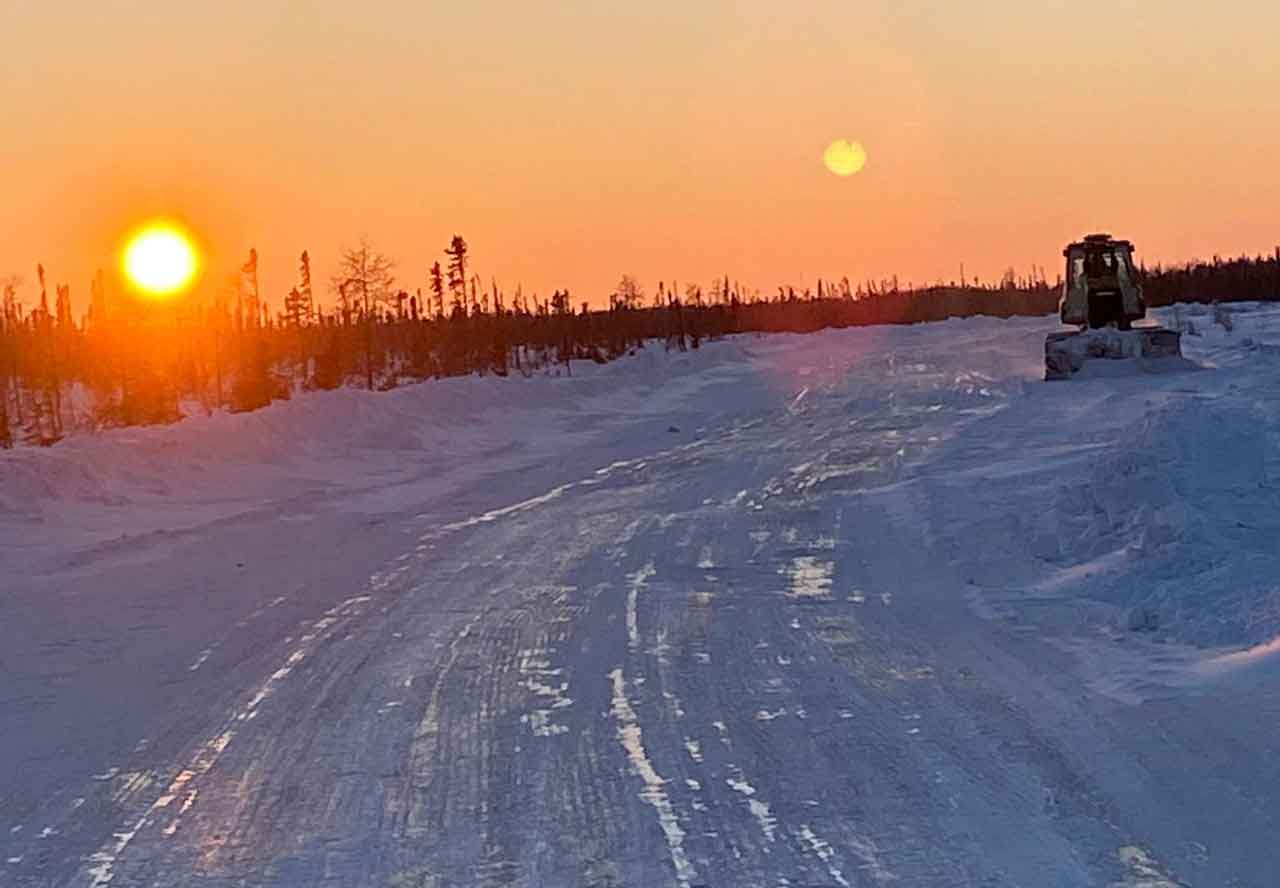
Ontario says that network is the longest winter road system in Canada and usually operates for only six to 11 weeks, generally from late January to the end of March. That narrow window shapes everything from the timing of bulk fuel deliveries to the movement of heavy equipment and construction materials into remote communities across the northwest.
Climate pressure is part of the story
The infrastructure investment also reflects a bigger reality: the winter road season is becoming less predictable. Nishnawbe Aski Nation said in late 2024 that climate change is making Ontario’s winter road network increasingly fragile, with some seasons shrinking from an average of 77 days to as few as 28 days in some regions.
In the province’s latest announcement, Cat Lake First Nation Chief Russell Wesley said the Meen River and Dobie River ice crossings had posed growing safety risks for contractors, community members and other road users, and that those risks had intensified with climate change.
What it means for Indigenous communities and the region
For remote First Nations, stronger crossings can mean more reliable access to groceries, fuel, health care travel and family connections during the short winter season. For Northwestern Ontario more broadly, the funding reinforces how much the region still depends on seasonal infrastructure that sits outside the provincial highway network.
It also shows how bridge and culvert work is becoming part of a longer conversation about climate resilience, Indigenous-led transportation planning and future all-season access in the Far North — especially in corridors linked to communities such as Webequie, Nibinamik and Eabametoong.
Background
Ontario increased annual funding for the broader Winter Roads Program to $13 million in 2025, while separate federal support was also increased for remote Ontario First Nations. Even with those commitments, winter roads remain a seasonal and weather-dependent system rather than a permanent fix.
That is why bridges and culverts matter: they do not remove every risk, but they can reduce some of the most dangerous choke points on routes that many northern Indigenous communities still rely on every year.